

Food baskets, but at what cost: Jharkhand’s HIV-thalassemia families want dignity, not just rations
High Court steps in to protect the children and their families, orders authorities to ensure they don’t face social boycott.
HIV-infected thalassemia children and their families in Jharkhand’s West Singhbhum have begun receiving monthly food baskets from hospital authorities after the Jharkhand High Court on May 5 directed district and legal services authorities to ensure they do not face social stigma or boycott.
Parents, however, said the assistance currently being provided is inadequate and difficult to access. Several families said they had to travel repeatedly to the Chaibasa hospital to collect rations and ART medicines, and for blood transfusions.
“One time, we come for blood transfusion, another time for medicines, then again for ration,” said a father of one of the children. “We told them if food support is being given, it should reach our homes because repeated travel is expensive for us.”
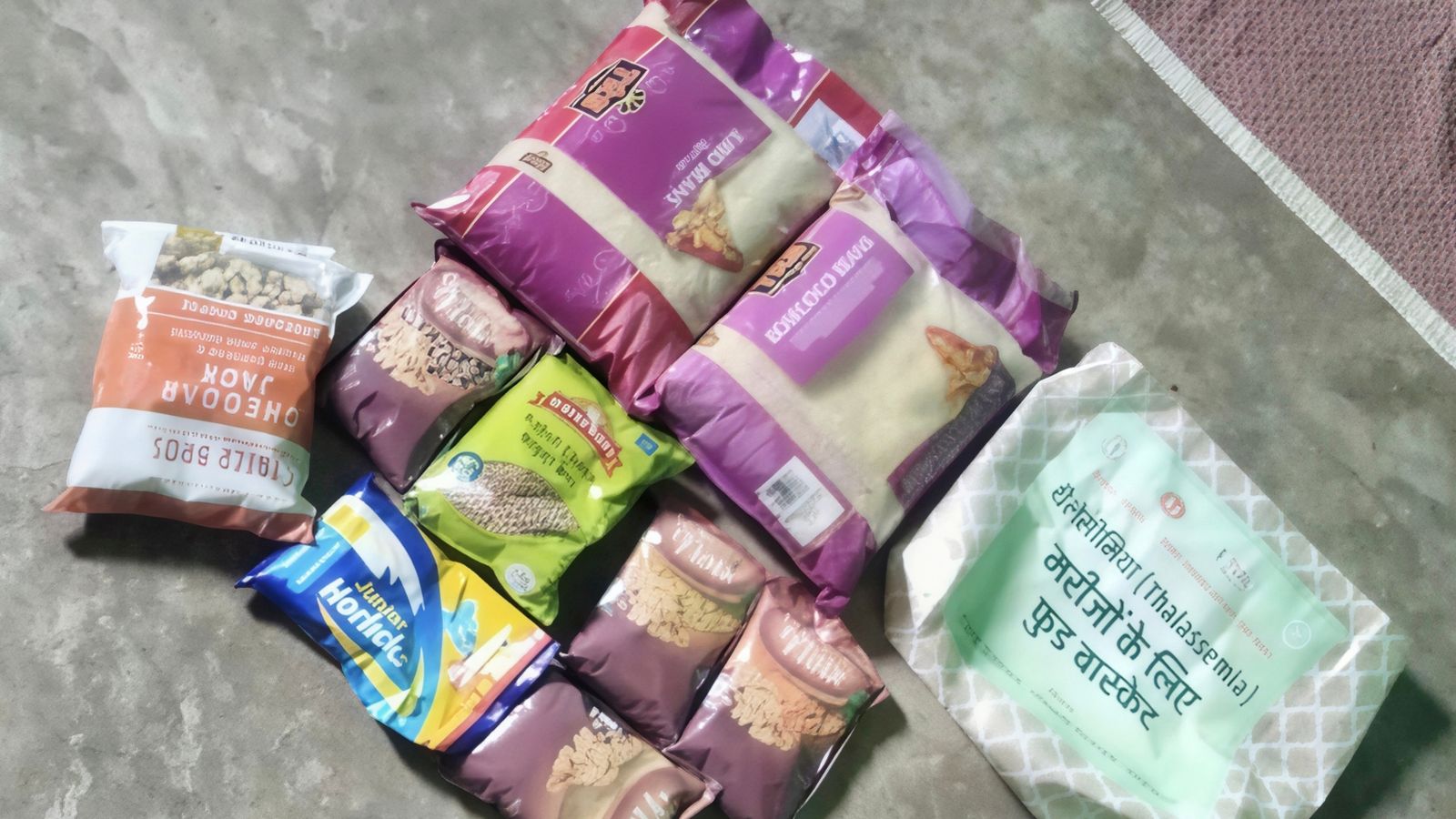
The children contracted HIV allegedly during blood transfusions for thalassemia treatment last October. Families told The Indian Express that they received food support earlier this month from Sadar Hospital in Chaibasa. They said the basket included 10 kg rice, pulses, soyabean, almonds, Horlicks and fruits, and they were informed that the support would likely be provided every month.
Hearing a writ petition filed on behalf of five minor children, the HC expressed concern over allegations that the families were being treated as social outcasts and directed the district administration and the District Legal Services Authority (DLSA) to ensure that they do not face any social stigma or boycott.
The court also directed the DLSA and district administration to undertake sensitisation programmes in villages and involve local headmen to prevent discrimination against the families.
In its order, the court recorded that the children, aged between five and seven years and belonging to very poor downtrodden families, were infected with HIV during the course of blood transfusions required for treatment of thalassemia.
Another parent and petitioner alleged that families were made to wait for several hours at the hospital on the day of distribution. “We came in the morning and waited till evening because officials said they wanted to meet us. Travelling back late at night is difficult,” the mother of a young girl said.
She also asked what sort of jobs would be given to them.
“They told us that one person at our home will get a cleaning job. Now, will they ask us to clean the toilet in the same hospital in which we are already suffering?” the mother asked.
Another single mother said she stays with her daughter, and the food basket assistance is helpful for them. “We will get food every month, but what about our livelihood? We are not asking for big jobs. We just want dignified work,” she said, adding that families feared further stigma if they were offered only cleaning-related work because they lacked formal educational qualifications.
The court had also directed the authorities to ensure that the children’s education is not affected by the incident.
Families, however, said schooling had already been disrupted for the children after the HIV infections became known everywhere.
A father said his child had not attended school for seven months. “My son’s studies have been disrupted since October last year. After the landlord asked us to leave our home in Chaibasa town, we have been living in our village. Since we never received any call from the school authority, we decided to put our son in a nearby school in the village,” he said.
The petitioners’ counsel, Md. Shadab Ansari, told The Indian Express that this is just the initial stage of the fight; he will fight the case until the end.
The High Court has asked the state government to place on record a “concrete plan of support” for the affected children and their families.
Stay updated with the latest - Click here to follow us on Instagram
HIV-infected thalassemia children and their families in Jharkhand’s West Singhbhum have begun receiving monthly food baskets from hospital authorities after the Jharkhand High Court on May 5 directed district and legal services authorities to ensure they do not face social stigma or boycott.
Parents, however, said the assistance currently being provided is inadequate and difficult to access. Several families said they had to travel repeatedly to the Chaibasa hospital to collect rations and ART medicines, and for blood transfusions.
“One time, we come for blood transfusion, another time for medicines, then again for ration,” said a father of one of the children. “We told them if food support is being given, it should reach our homes because repeated travel is expensive for us.”
The children contracted HIV allegedly during blood transfusions for thalassemia treatment last October. Families told The Indian Express that they received food support earlier this month from Sadar Hospital in Chaibasa. They said the basket included 10 kg rice, pulses, soyabean, almonds, Horlicks and fruits, and they were informed that the support would likely be provided every month.
Hearing a writ petition filed on behalf of five minor children, the HC expressed concern over allegations that the families were being treated as social outcasts and directed the district administration and the District Legal Services Authority (DLSA) to ensure that they do not face any social stigma or boycott.
The court also directed the DLSA and district administration to undertake sensitisation programmes in villages and involve local headmen to prevent discrimination against the families.
In its order, the court recorded that the children, aged between five and seven years and belonging to very poor downtrodden families, were infected with HIV during the course of blood transfusions required for treatment of thalassemia.
Another parent and petitioner alleged that families were made to wait for several hours at the hospital on the day of distribution. “We came in the morning and waited till evening because officials said they wanted to meet us. Travelling back late at night is difficult,” the mother of a young girl said.
She also asked what sort of jobs would be given to them.
“They told us that one person at our home will get a cleaning job. Now, will they ask us to clean the toilet in the same hospital in which we are already suffering?” the mother asked.
Another single mother said she stays with her daughter, and the food basket assistance is helpful for them. “We will get food every month, but what about our livelihood? We are not asking for big jobs. We just want dignified work,” she said, adding that families feared further stigma if they were offered only cleaning-related work because they lacked formal educational qualifications.
The court had also directed the authorities to ensure that the children’s education is not affected by the incident.
Families, however, said schooling had already been disrupted for the children after the HIV infections became known everywhere.
A father said his child had not attended school for seven months. “My son’s studies have been disrupted since October last year. After the landlord asked us to leave our home in Chaibasa town, we have been living in our village. Since we never received any call from the school authority, we decided to put our son in a nearby school in the village,” he said.
The petitioners’ counsel, Md. Shadab Ansari, told The Indian Express that this is just the initial stage of the fight; he will fight the case until the end.
The High Court has asked the state government to place on record a “concrete plan of support” for the affected children and their families.