

India targets 47% emission intensity cut, 60% electricity capacity from non-fossils by 2035
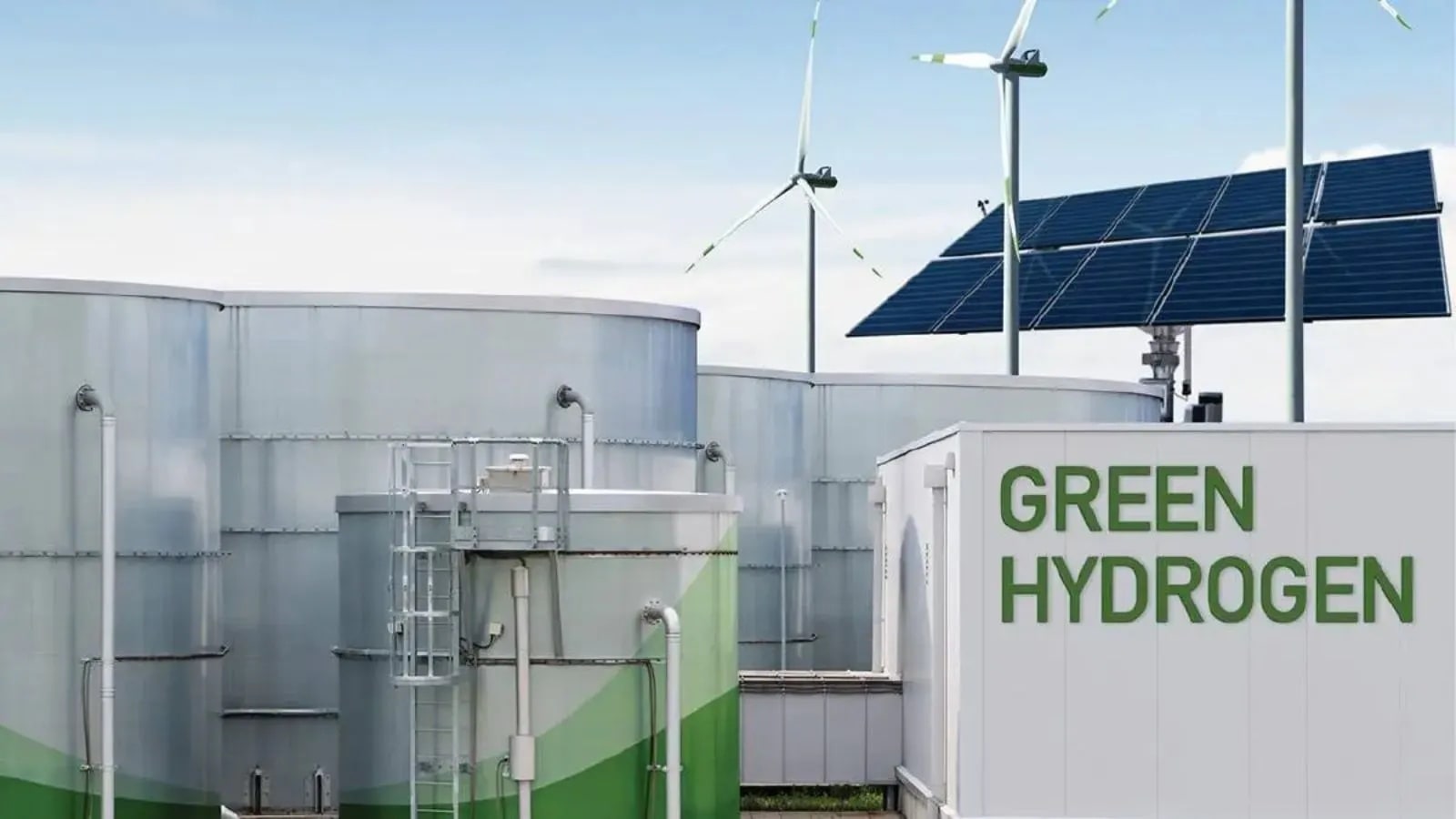
India has also promised to ensure that at least 60 per cent of its total electricity generation capacity would comprise non-fossil fuel sources by 2035.
In a decision awaited for months, India on Wednesday finally announced its climate targets for the year 2035, making modest upgrades in its three existing commitments for 2030. The announcement is in compliance with the provisions of the 2015 Paris Agreement that obligates every country to prepare and implement climate action plans, progressively increasing the ambition of these actions in five-year cycles.
In the new targets, approved by the Cabinet on Wednesday, India has promised to attain at least 47 per cent reduction in emission intensity of its GDP (emission per unit of GDP) from 2005 baseline by 2035. Its current commitment, for the year 2030, is to achieve a 45 per cent reduction. By the year 2020, the last year for which emission intensity data has been published, India had already achieved a 36 per cent reduction over 2005 levels.
India has also promised to ensure that at least 60 per cent of its total electricity generation capacity would comprise non-fossil fuel sources by 2035. The existing target for 2030 was 50 per cent, which has already been achieved well ahead of schedule. As of February this year, more than 52 per cent of total electricity generation capacity was based on non-fossil fuel sources.
India’s third commitment relates to creation of additional capacity in its forests to absorb carbon dioxide. For 2030, India is committed to create an additional sink of 2.5 to 3 billion tonnes of CO2 equivalent over its 2005 stock. By 2021, at least 2.3 billion tonnes of additional sink had already been created. For 2035, India is targeting to enlarge this to 3.5 to 4 billion tonnes of CO2 equivalent.
These three targets form the core of India’s contribution to the global effort to fight climate change. There are several other steps India is taking towards reducing its carbon footprint, but these do not have quantitative targets. These include efforts to push for climate resilient infrastructure, promote sustainable lifestyles, and mobilise new means of climate finance, domestic and international, to support green investments, the government said.
Under the 2015 Paris Agreements, countries decide their climate actions on their own. This is the reason these are called nationally-determined contributions, or NDCs. But every subsequent set of climate actions must mark a progression over existing ones.
This is India’s third NDC, the first two having been submitted in 2015, pertaining to the year 2025, and then in 2022, for the year 2030. India’s NDC for 2035 was long awaited, since most of the other large emitters, including China, the world’s biggest emitter, had announced their NDCs last year, ahead of the year-ending annual climate conference in Belem, Brazil.
“India’s revised NDCs are a step in the right direction, but they fall short of the ambition required at this stage of the energy transition. With non-fossil fuel capacity already crossing around 52% by 2025-26, a target of 60% by 2035 does not adequately reflect either the pace of progress or the scale of opportunity ahead,” said Vibhuti Garg, Director, South Asia, Institute for Energy Economics and Financial Analysis.
Stay updated with the latest - Click here to follow us on Instagram
In a decision awaited for months, India on Wednesday finally announced its climate targets for the year 2035, making modest upgrades in its three existing commitments for 2030. The announcement is in compliance with the provisions of the 2015 Paris Agreement that obligates every country to prepare and implement climate action plans, progressively increasing the ambition of these actions in five-year cycles.
In the new targets, approved by the Cabinet on Wednesday, India has promised to attain at least 47 per cent reduction in emission intensity of its GDP (emission per unit of GDP) from 2005 baseline by 2035. Its current commitment, for the year 2030, is to achieve a 45 per cent reduction. By the year 2020, the last year for which emission intensity data has been published, India had already achieved a 36 per cent reduction over 2005 levels.
India has also promised to ensure that at least 60 per cent of its total electricity generation capacity would comprise non-fossil fuel sources by 2035. The existing target for 2030 was 50 per cent, which has already been achieved well ahead of schedule. As of February this year, more than 52 per cent of total electricity generation capacity was based on non-fossil fuel sources.
India’s third commitment relates to creation of additional capacity in its forests to absorb carbon dioxide. For 2030, India is committed to create an additional sink of 2.5 to 3 billion tonnes of CO2 equivalent over its 2005 stock. By 2021, at least 2.3 billion tonnes of additional sink had already been created. For 2035, India is targeting to enlarge this to 3.5 to 4 billion tonnes of CO2 equivalent.
These three targets form the core of India’s contribution to the global effort to fight climate change. There are several other steps India is taking towards reducing its carbon footprint, but these do not have quantitative targets. These include efforts to push for climate resilient infrastructure, promote sustainable lifestyles, and mobilise new means of climate finance, domestic and international, to support green investments, the government said.
Under the 2015 Paris Agreements, countries decide their climate actions on their own. This is the reason these are called nationally-determined contributions, or NDCs. But every subsequent set of climate actions must mark a progression over existing ones.
This is India’s third NDC, the first two having been submitted in 2015, pertaining to the year 2025, and then in 2022, for the year 2030. India’s NDC for 2035 was long awaited, since most of the other large emitters, including China, the world’s biggest emitter, had announced their NDCs last year, ahead of the year-ending annual climate conference in Belem, Brazil.
“India’s revised NDCs are a step in the right direction, but they fall short of the ambition required at this stage of the energy transition. With non-fossil fuel capacity already crossing around 52% by 2025-26, a target of 60% by 2035 does not adequately reflect either the pace of progress or the scale of opportunity ahead,” said Vibhuti Garg, Director, South Asia, Institute for Energy Economics and Financial Analysis.