

‘No longer luxury, necessity for middle class’: Kejriwal urges Centre to regulate airfares amid West Asia conflict
Due to the West Asia conflict, airline grouping Federation of Indian Airlines had demanded the Centre to remove fare caps and caps would be removed effective Monday.
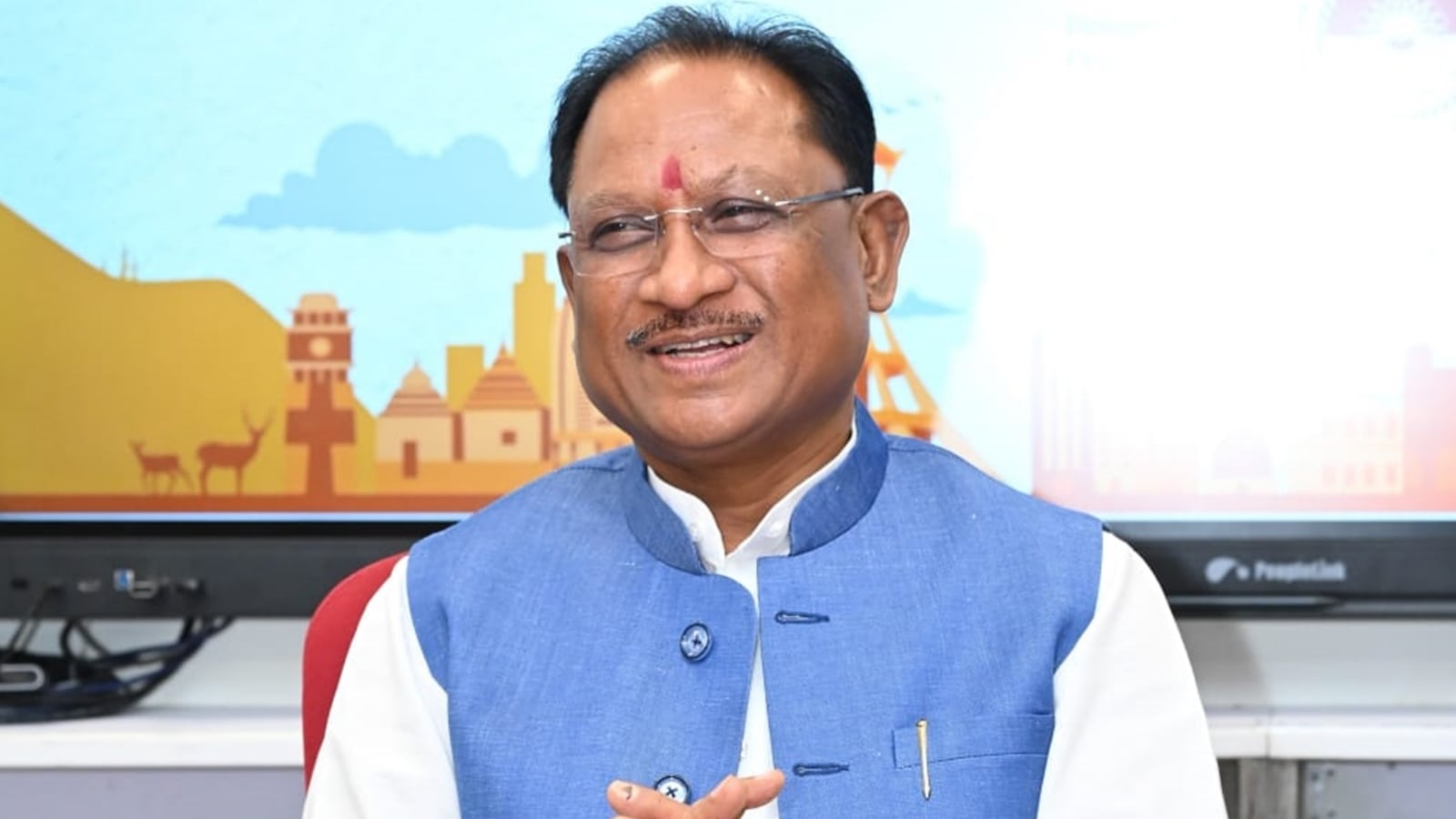
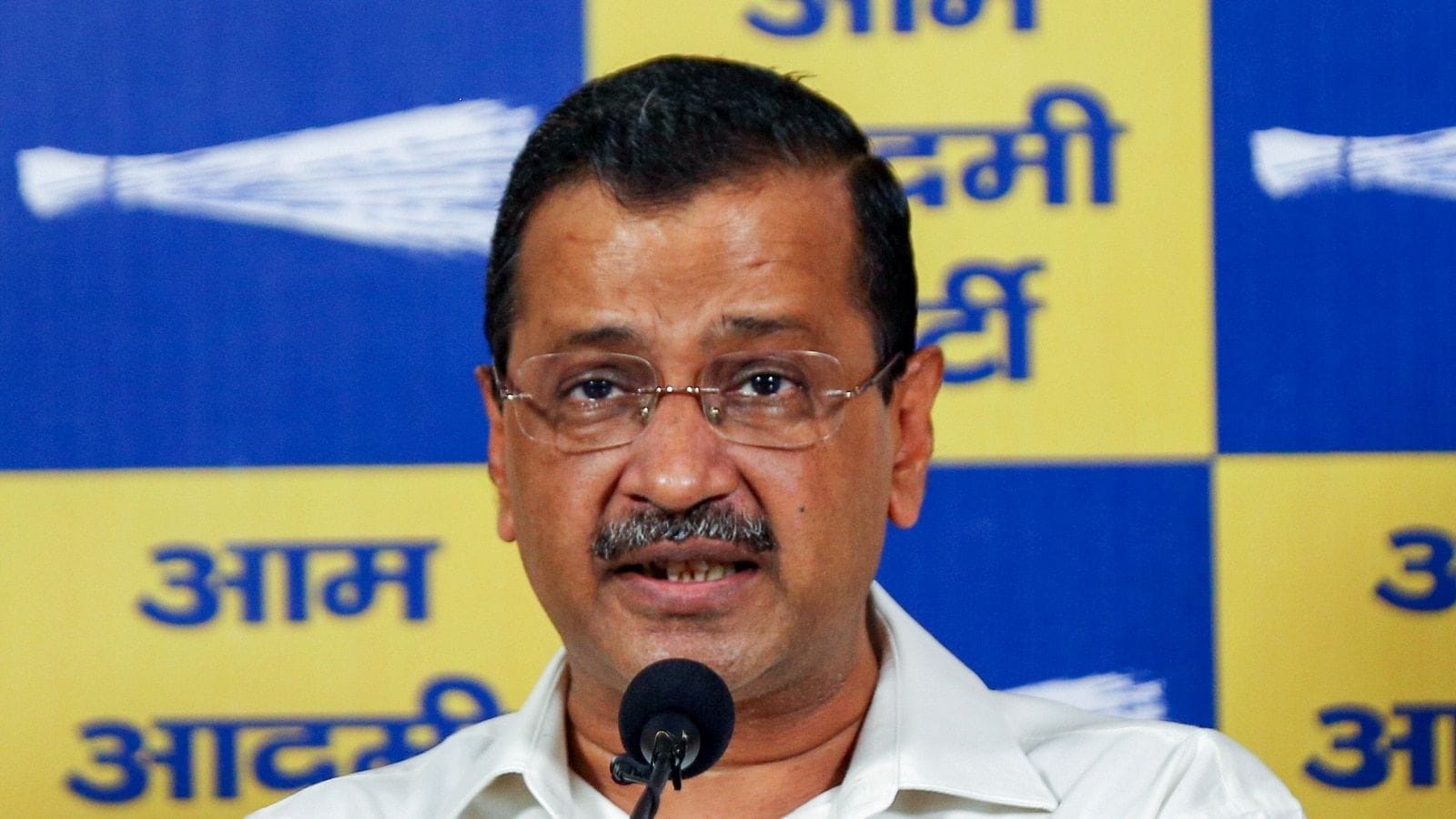
AAP convenor Arvind Kejriwal has hit out at the NDA government’s decision to remove airfare caps for domestic flights imposed in December last year following IndiGo’s widespread flight disruptions. Terming air travel a necessity for the middle class, the former Delhi CM urged efficient regulation of airfares amid the West Asia conflict. Indian airlines have been grappling with operational disruptions, jet fuel price hike and weakening of rupee against the dollar amid the raging Iran war.
Anticipating skyrocketing flight charges, Kejriwal posted on X, “Airfares are increasingly going out of reach for the middle class. The Modi government is removing the cap on airfares, which might trigger high inflation in ticket prices. The government should instead work to regulate airfares more efficiently. Air travel is no longer a luxury, it’s a necessity for the middle class.”
Kejriwal, who was discharged in the CBI’s corruption case linked to the alleged excise policy scam last month by a Delhi court, had slammed Prime Minister Narendra Modi for sending a “message to all politicians” by putting him in jail.
Due to Gulf crisis, airline grouping Federation of Indian Airlines had demanded the Centre remove the fare caps. The removal of the tempory airfare cap will take effect Monday. The Ministry of Civil Aviation had said that airlines are required to exercise pricing discipline, act responsibly, and ensure that fares remain reasonable, transparent, and commensurate with market conditions, as per the order. Flight charges in India are deregulated and decided by market forces, but the government can intervene to regulate fares if major disruptions hit the sector. For instance, airfare bands were imposed by the government during the COVID-19 pandemic.
Currenly, Indian airlines are operating a heavily truncated schedule to and from West Asian airports owing to the airspace restrictions and airport closures in the region, which likely hit their revenues on the high demand routes. Apart from that, carriers with long-haul operations—Air India and IndiGo—are being forced to take much longer and circuitous flight paths for their flights beyond West Asia, leading to longer flying times and additional fuel burn.
Prices of jet fuel—which accounts for over 40 per cent of Indian airlines’ operational cost—have also spiked in the global market. The rupee has also fallen to historic lows, which would further lead to an increase in Indian airlines’ dollar-denominated costs. Most major Indian carriers have already announced fuel surcharges on airfares due to the fallout of the West Asia crisis.
Stay updated with the latest - Click here to follow us on Instagram
AAP convenor Arvind Kejriwal has hit out at the NDA government’s decision to remove airfare caps for domestic flights imposed in December last year following IndiGo’s widespread flight disruptions. Terming air travel a necessity for the middle class, the former Delhi CM urged efficient regulation of airfares amid the West Asia conflict. Indian airlines have been grappling with operational disruptions, jet fuel price hike and weakening of rupee against the dollar amid the raging Iran war.
Anticipating skyrocketing flight charges, Kejriwal posted on X, “Airfares are increasingly going out of reach for the middle class. The Modi government is removing the cap on airfares, which might trigger high inflation in ticket prices. The government should instead work to regulate airfares more efficiently. Air travel is no longer a luxury, it’s a necessity for the middle class.”
Kejriwal, who was discharged in the CBI’s corruption case linked to the alleged excise policy scam last month by a Delhi court, had slammed Prime Minister Narendra Modi for sending a “message to all politicians” by putting him in jail.
Due to Gulf crisis, airline grouping Federation of Indian Airlines had demanded the Centre remove the fare caps. The removal of the tempory airfare cap will take effect Monday. The Ministry of Civil Aviation had said that airlines are required to exercise pricing discipline, act responsibly, and ensure that fares remain reasonable, transparent, and commensurate with market conditions, as per the order. Flight charges in India are deregulated and decided by market forces, but the government can intervene to regulate fares if major disruptions hit the sector. For instance, airfare bands were imposed by the government during the COVID-19 pandemic.
Currenly, Indian airlines are operating a heavily truncated schedule to and from West Asian airports owing to the airspace restrictions and airport closures in the region, which likely hit their revenues on the high demand routes. Apart from that, carriers with long-haul operations—Air India and IndiGo—are being forced to take much longer and circuitous flight paths for their flights beyond West Asia, leading to longer flying times and additional fuel burn.
Prices of jet fuel—which accounts for over 40 per cent of Indian airlines’ operational cost—have also spiked in the global market. The rupee has also fallen to historic lows, which would further lead to an increase in Indian airlines’ dollar-denominated costs. Most major Indian carriers have already announced fuel surcharges on airfares due to the fallout of the West Asia crisis.