

Eye on energy, India rushes Jaishankar, Puri to West Asia amid fragile ceasefire
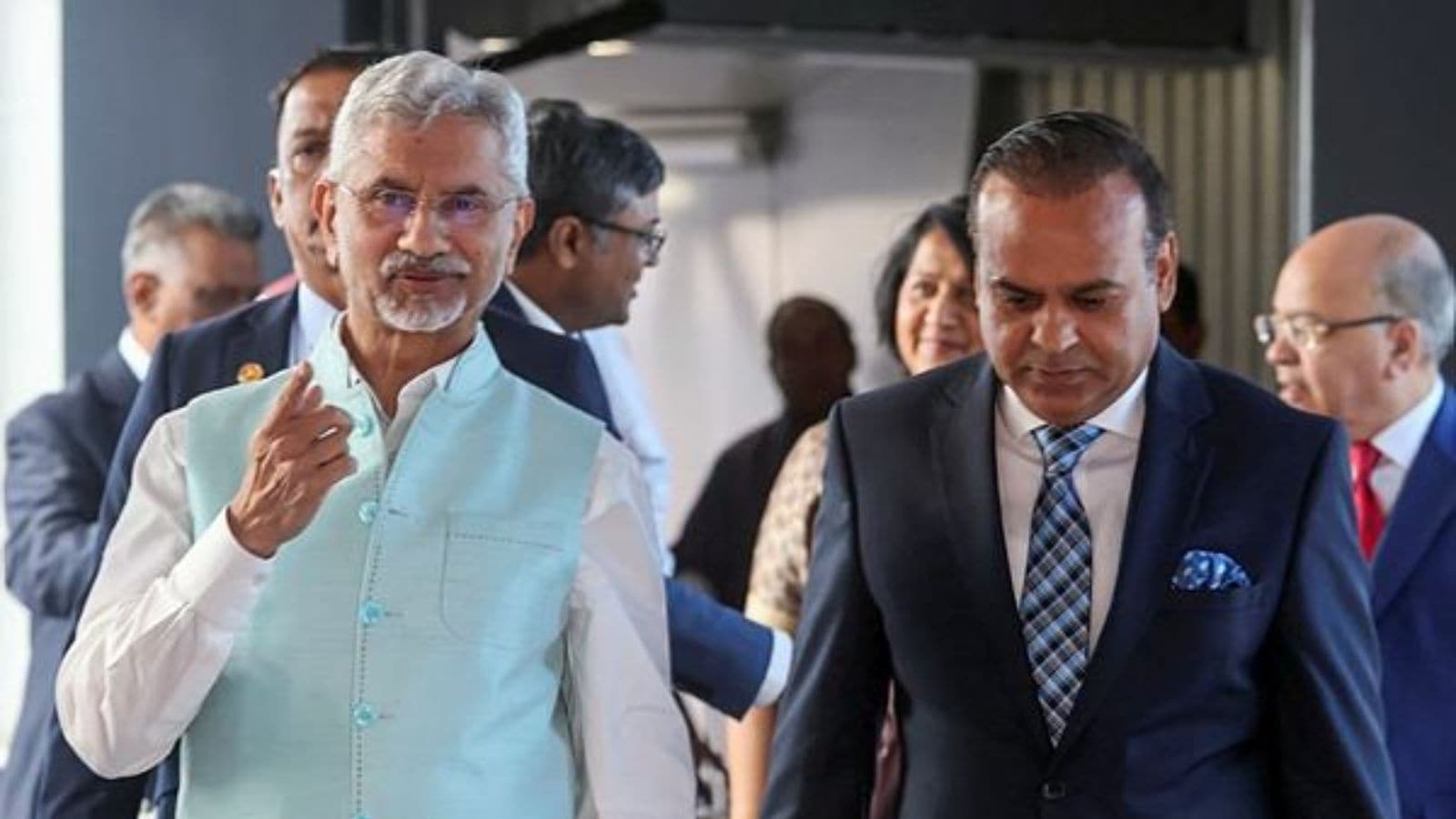
External Affairs Minister S Jaishankar reached Port Louis in Mauritius Thursday to participate in the 9th Indian Ocean Conference where, over two days, he will have bilateral conversations with Indian Ocean countries on the sidelines.
As Pakistan prepares to host peace talks between the US and Iran in Islamabad, Delhi has begun reaching out to key partners in the region – from Oman to the UAE, Saudi Arabia to Qatar – on the question of reopening the Strait of Hormuz.
This comes at a time when the truce with Iran, which has been holding since its announcement early Wednesday, appears very fragile given Israel’s stepped-up offensive against Iranian ally Hezbollah in Lebanon.
External Affairs Minister S Jaishankar reached Port Louis in Mauritius Thursday to participate in the 9th Indian Ocean Conference where, over two days, he will have bilateral conversations with Indian Ocean countries on the sidelines.
These conversations – with ministers from West Asia theatre countries Oman, Saudi Arabia and Egypt, from maritime vicinity partners such as Sri Lanka, Maldives, Seychelles, Madagascar and Tanzania, from South East Asia countries Thailand, Singapore and Cambodia, and from neighbours Bhutan and Bangladesh – will frame the challenges being faced post 40 days of conflict.
Meetings with Oman Foreign Minister Sayyid Badr Hamad Al Busaidi, Saudi Arabia Vice Minister of Foreign Affairs Waleed Elkhereiji, Egypt’s Deputy Foreign Minister for African Affairs Mohamed Abu Bakr are expected to take place on the margins of the conference.
On April 11, Jaishankar will leave on a two-day visit to the UAE which has been impacted by Iranian attacks on US military bases and personnel, and on its own economic and energy infrastructure. The war has also led to civilian casualties, denting the image of Dubai and Abu Dhabi being safe and secure hubs. The UAE is home to a large Indian diaspora.
The Ministry of External Affairs said Jaishankar will meet the UAE leadership to review close cooperation and deepen the Comprehensive Strategic Partnership between the two countries.
Petroleum Minister Hardeep Singh Puri was leaving for Qatar Thursday on a two-day visit. The Gulf country is India’s largest source of liquefied natural gas (LNG) and liquefied petroleum gas (LPG).
According to sources, prioritisation of LNG and LPG supplies to India is likely to top the agenda of Puri’s discussions in Qatar.
Petroleum Ministry Joint Secretary Sujata Sharma said details of the minister’s visit will be provided once he returns from Qatar.
Puri’s visit comes a day after Tehran said safe passage of ships through the maritime chokepoint of the Strait of Hormuz “will be possible via coordination with Iran’s armed forces” and due consideration of “technical limitations”.
India depends on LNG imports to meet about half of its natural gas needs, and 55-60% of those come from West Asia via the Strait of Hormuz.
India has been working with different partners and Iran on reopening the Strait of Hormuz, the key channel through which 20 per cent of the global energy supply passes in large carriers. Qatar, UAE, Kuwait have all been hit by the closure of the Strait, and this has impacted India’s energy imports.
Qatar alone accounts for over two-fifths of India’s LNG imports. According to Commerce Ministry data, India imported 27 million tonnes of LNG in 2024-25, of which 11.2 million tonnes, or 41.4%, came from Qatar. India has long-term LNG contracts totalling 8.5 million tonnes per annum (mtpa) with QatarEnergy; India also buys Qatari LNG from the spot market. As for LPG, India’s import dependency is around 60%, and 90% of the imports come through the Strait, with Qatar being the largest supplier with a share of over 20%.
The effective halt in vessel movements through the Strait of Hormuz have impacted LPG and LNG supplies to India, with no LNG tanker coming to the country from the Persian Gulf since early March, and only eight India-flagged LPG tankers coming through the Strait.
In view of supplies being hit, the government also cut natural gas allocation to certain industries in order to keep priority sectors adequately supplied. The supply hit was more severe in the case of LPG, with supplies to commercial customers and industries heavily cut to ensure households get sufficient cooking fuel.
Moreover, LNG supply concerns were compounded due to attacks on Qatar’s Ras Laffan Industrial City, in which a part of QatarEnergy’s mega LNG facility was also damaged. Almost all of India’s Qatari LNG imports come from Ras Laffan.
Meanwhile, MEA spokesperson Randhir Jaiswal, in a post on X, said, “Foreign Secretary Vikram Misri met Bureau of Industry and Security Under Secretary Jeffrey Kessler and Under Secretary for International Trade William Kimmitt at the US Department of Commerce. Discussions focused on boosting bilateral trade and investment in strategic and emerging technologies, and exchanging views on emerging export control frameworks.”
Misri also held talks with US Under Secretary of War Elbridge Colby that covered the developments in West Asia and they also focused on ways to further deepen the defence industrial, technology and supply chain linkages between New Delhi and Washington. Colby was in India last month.
Stay updated with the latest - Click here to follow us on Instagram
As Pakistan prepares to host peace talks between the US and Iran in Islamabad, Delhi has begun reaching out to key partners in the region – from Oman to the UAE, Saudi Arabia to Qatar – on the question of reopening the Strait of Hormuz.
This comes at a time when the truce with Iran, which has been holding since its announcement early Wednesday, appears very fragile given Israel’s stepped-up offensive against Iranian ally Hezbollah in Lebanon.
External Affairs Minister S Jaishankar reached Port Louis in Mauritius Thursday to participate in the 9th Indian Ocean Conference where, over two days, he will have bilateral conversations with Indian Ocean countries on the sidelines.
These conversations – with ministers from West Asia theatre countries Oman, Saudi Arabia and Egypt, from maritime vicinity partners such as Sri Lanka, Maldives, Seychelles, Madagascar and Tanzania, from South East Asia countries Thailand, Singapore and Cambodia, and from neighbours Bhutan and Bangladesh – will frame the challenges being faced post 40 days of conflict.
Meetings with Oman Foreign Minister Sayyid Badr Hamad Al Busaidi, Saudi Arabia Vice Minister of Foreign Affairs Waleed Elkhereiji, Egypt’s Deputy Foreign Minister for African Affairs Mohamed Abu Bakr are expected to take place on the margins of the conference.
On April 11, Jaishankar will leave on a two-day visit to the UAE which has been impacted by Iranian attacks on US military bases and personnel, and on its own economic and energy infrastructure. The war has also led to civilian casualties, denting the image of Dubai and Abu Dhabi being safe and secure hubs. The UAE is home to a large Indian diaspora.
The Ministry of External Affairs said Jaishankar will meet the UAE leadership to review close cooperation and deepen the Comprehensive Strategic Partnership between the two countries.
Petroleum Minister Hardeep Singh Puri was leaving for Qatar Thursday on a two-day visit. The Gulf country is India’s largest source of liquefied natural gas (LNG) and liquefied petroleum gas (LPG).
According to sources, prioritisation of LNG and LPG supplies to India is likely to top the agenda of Puri’s discussions in Qatar.
Petroleum Ministry Joint Secretary Sujata Sharma said details of the minister’s visit will be provided once he returns from Qatar.
Puri’s visit comes a day after Tehran said safe passage of ships through the maritime chokepoint of the Strait of Hormuz “will be possible via coordination with Iran’s armed forces” and due consideration of “technical limitations”.
India depends on LNG imports to meet about half of its natural gas needs, and 55-60% of those come from West Asia via the Strait of Hormuz.
India has been working with different partners and Iran on reopening the Strait of Hormuz, the key channel through which 20 per cent of the global energy supply passes in large carriers. Qatar, UAE, Kuwait have all been hit by the closure of the Strait, and this has impacted India’s energy imports.
Qatar alone accounts for over two-fifths of India’s LNG imports. According to Commerce Ministry data, India imported 27 million tonnes of LNG in 2024-25, of which 11.2 million tonnes, or 41.4%, came from Qatar. India has long-term LNG contracts totalling 8.5 million tonnes per annum (mtpa) with QatarEnergy; India also buys Qatari LNG from the spot market. As for LPG, India’s import dependency is around 60%, and 90% of the imports come through the Strait, with Qatar being the largest supplier with a share of over 20%.
The effective halt in vessel movements through the Strait of Hormuz have impacted LPG and LNG supplies to India, with no LNG tanker coming to the country from the Persian Gulf since early March, and only eight India-flagged LPG tankers coming through the Strait.
In view of supplies being hit, the government also cut natural gas allocation to certain industries in order to keep priority sectors adequately supplied. The supply hit was more severe in the case of LPG, with supplies to commercial customers and industries heavily cut to ensure households get sufficient cooking fuel.
Moreover, LNG supply concerns were compounded due to attacks on Qatar’s Ras Laffan Industrial City, in which a part of QatarEnergy’s mega LNG facility was also damaged. Almost all of India’s Qatari LNG imports come from Ras Laffan.
Meanwhile, MEA spokesperson Randhir Jaiswal, in a post on X, said, “Foreign Secretary Vikram Misri met Bureau of Industry and Security Under Secretary Jeffrey Kessler and Under Secretary for International Trade William Kimmitt at the US Department of Commerce. Discussions focused on boosting bilateral trade and investment in strategic and emerging technologies, and exchanging views on emerging export control frameworks.”
Misri also held talks with US Under Secretary of War Elbridge Colby that covered the developments in West Asia and they also focused on ways to further deepen the defence industrial, technology and supply chain linkages between New Delhi and Washington. Colby was in India last month.