

How India gave prominence to Pakistan minister at SCO and accepted his remarks
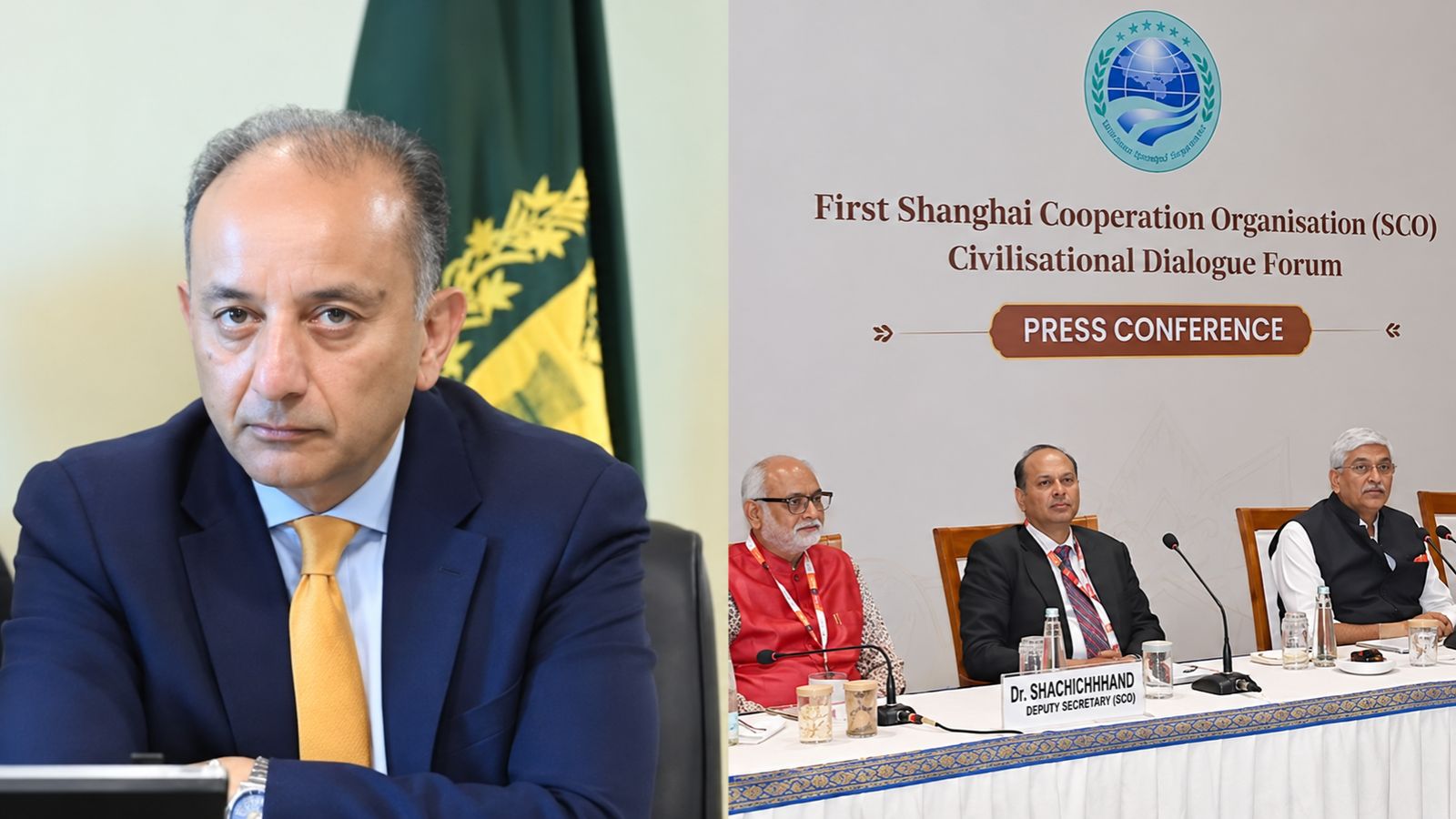
In a statement, the Ministry of Culture highlighted remarks by visiting Pakistani Minister Musadik Masood Malik at the SCO Civilisational Dialogue Forum in New Delhi, where he invited delegates to visit Harappa and Mohenjodaro.
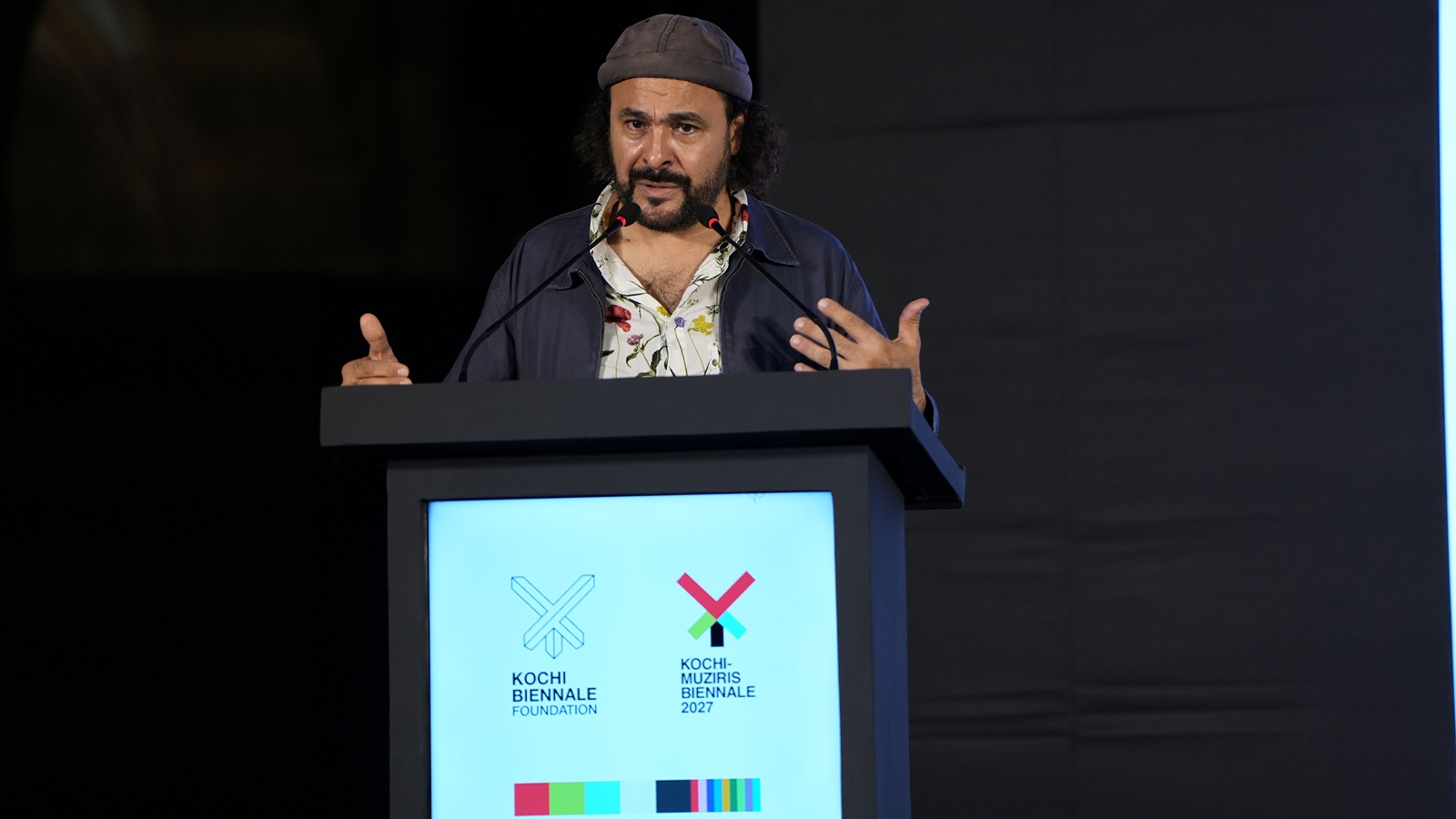
Emphasising the need to respect diverse identities while recognising shared cultural and historical ties, Pakistan’s Minister for Climate Change and Environmental Coordination Musadik Masood Malik said dialogue among civilisations was equally ‘essential’. While Malik attended the ongoing Shanghai Cooperation Organisation (SCO) Civilisational Dialogue Forum in New Delhi, the Ministry of Culture prominently highlighted his remarks in a statement issued Saturday evening.
The statement placed on record the visiting Pakistani minister’s appreciation for “the description of the event as ‘Tehzeeb Ki Guftagu’, or ‘Dialogue of Civilisations’.” Dwelling at length on Malik’s ministerial statements on Saturday, the Ministry of Culture noted how Malik “stated that dialogue takes place amid diversity”.
The Ministry statement also referred to Malik’s conversation with Culture Minister Gajendra Shekhawat on the event’s opening day, Friday, where Malik said how “the layers of history and culture had been an integral part of the region’s way of life for thousands of years”.
“It was therefore important to recognise that distinct identities have their own significance, while dialogue among diverse identities is equally essential,” the Ministry quoted Malik as saying.
“He (Malik) said that the participants had gathered precisely for this purpose—to bring together multiple voices and identities and facilitate the free flow of ideas among them. He emphasised that wisdom and courage lie in acknowledging, respecting, embracing, and moving forward together with these diverse identities,” said the statement issued on Saturday.
Referring to archaeological remains from different periods discovered during excavations at Purana Qila, Malik said the fort where the delegates sat was, in itself, a story, according to the Ministry.
“Its foundation was laid by Humayun, who belonged to the Timurid dynasty and had arrived from Central Asia. Its construction was further carried forward by Sher Shah Suri, who came from Afghanistan. Thus, within a single wall, one could find the art of two different rulers, two cultural layers, and traces of two traditions,” the Ministry statement said, quoting Malik.
“This, he said, was the very diversity that the delegates had been invited to celebrate. He appreciated the description of the event as ‘Tehzeeb Ki Guftagu’, or ‘Dialogue of Civilisations’.”
In his statement on Saturday, Malik said in Urdu, “Delhi has not been diminished by civilisations and people coming from outside; rather, it has grown stronger.”
Invoking Ghalib, Taxila, Gandhara and Mohenjodaro to highlight the shared cultural links between South Asia and Central Asia, he invited delegates to visit Harappa and Mohenjodaro sites in Pakistan. “When history discovers us, it should find that we were talking, we were engaged,” he said, concluding his address.
Quoting his address, former BJP Rajya Sabha MP Tarun Vijay posted on his X account, “Must welcome his invite and plan a visit to Mohenjo- Daro. Good move. Surprisingly, however, we did not show them Rakhigarhi, which is twice the size of Mohenjo-Daro.”
“I met him there (at the Purana Qila SCO venue) with his wife, we spoke in fluent Punjabi, and found him to be someone one can talk to,” said Vijay.
Prime Minister Narendra Modi inaugurated the Forum on November 20. “The objective of the event is to strengthen cultural ties among SCO member states, promote mutual understanding and cooperation through shared civilizational heritage, and create new opportunities for cultural dialogue,” the Ministry of Culture said in its statement.
Shekhawat, while chairing the first and second joint sessions on the theme ‘Civilizational and Cultural Expressions’ on the second day, said that historical connections have played a significant role in bringing countries closer to one another, the statement said, adding that these connections have also effectively highlighted the immense potential of cultural cooperation in fostering mutual understanding, trust, and friendship.
Shekhawat also noted that our civilisations are not merely legacies of the past but living traditions whose knowledge continues to illuminate our present and inspire future generations.
Alok Dimri, Additional Secretary, Ministry of External Affairs, and National Coordinator for the SCO, presented a summary of the discussions during the first session, the statement said.
“Expressing his views from the perspective of the SCO, he said that it had clearly emerged that the organisation now needed to move beyond its security-centric approach. He said several common themes had emerged during the discussions, including cultural networks, climate, youth, digitalisation, and joint projects.
The Ministry statement made a passing reference to other “dignitaries and representatives” who shared their perspectives, including Azerbaijan’s Minister of Culture, Adil Karimli; Nepal’s Minister for Culture, Tourism and Civil Aviation, Khadak Raj Poudel; and Tajikistan’s Minister of Culture, Matlubakhon Amonzoda Sattoriyon. Representatives from Belarus, Iran, Musadik Masood Malik, said , Kazakhstan, Cambodia, Kyrgyzstan, Laos, Russia, Saudi Arabia, Uzbekistan, and other countries also participated, it said.