

Cosmetic electoral exercise by Pakistan to camouflage illegal occupation: India on PoK polls
MEA spokesperson reiterated that the entire Union Territories of Jammu and Kashmir, and Ladakh, including the areas currently under Pakistan's “illegal and forcible occupation”, are parts of India
India has described the ongoing elections in Pakistan-occupied Kashmir (PoK), which started on Monday, as an attempt by Islamabad to camouflage its illegal occupation and hide its “grave” human rights violations in the region.
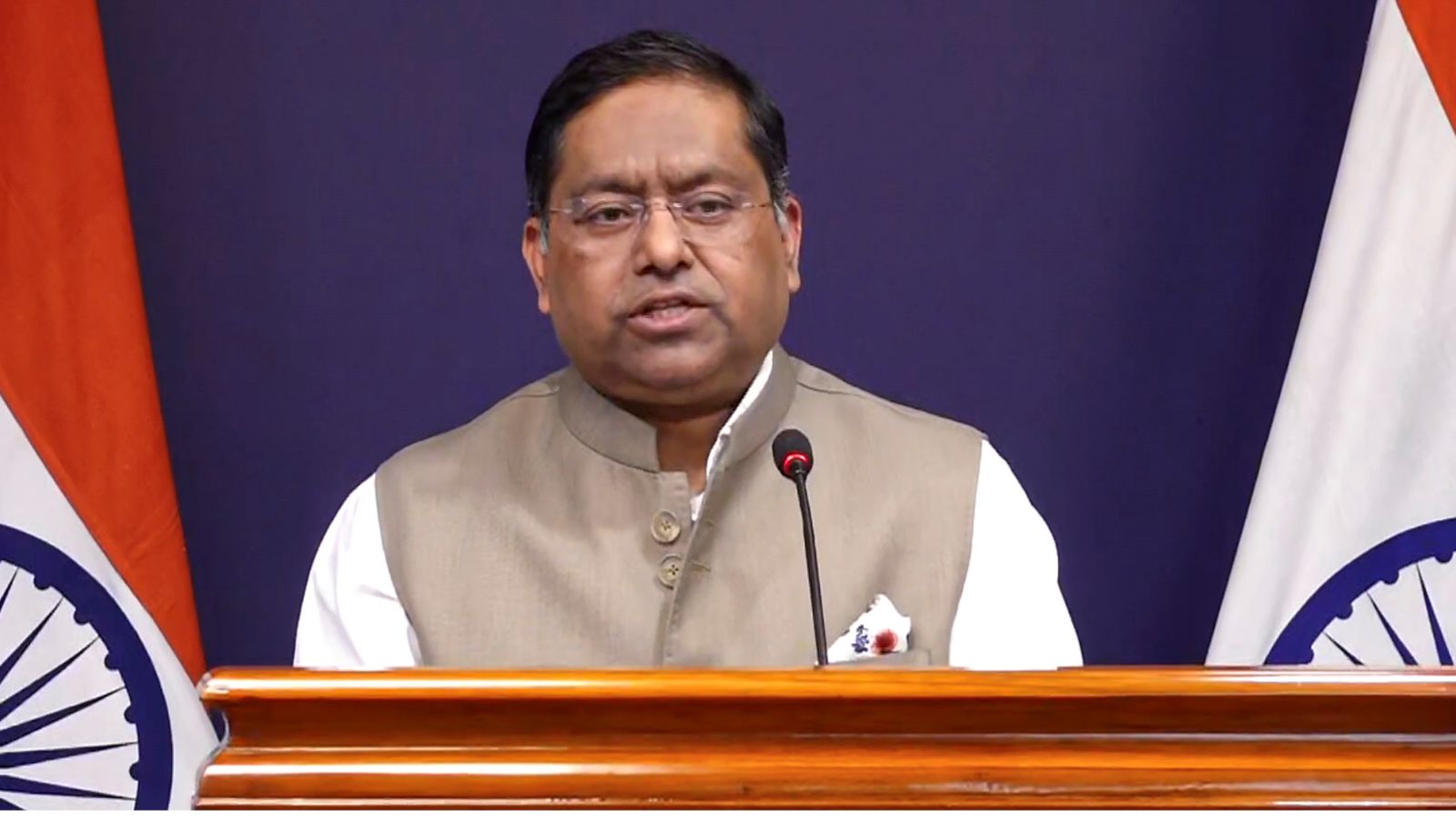
“The current cosmetic electoral exercise is nothing but an attempt by Pakistan to camouflage its illegal occupation and hide its grave human rights violations in the region,” said Randhir Jaiswal, official spokesperson, Ministry of External Affairs (MEA), on Tuesday, in response to a question during a media briefing.
He reiterated that the entire Union Territories of Jammu and Kashmir, and Ladakh, including the areas currently under Pakistan’s “illegal and forcible occupation”, are parts of India. “The ongoing mass protests in Pakistan-occupied Jammu & Kashmir are the direct consequences of Pakistan’s economic exploitation, its denial of the people’s fundamental rights, and its administrative oppression,” he said.
The ruling Pakistan Muslim League-Nawaz (PML-N) won nine out of 13 seats in the first phase of elections held in PoK, authorities declared on Tuesday, as per reports. There were allegations of massive rigging in the first phase of the polls held on Monday, in which the Pakistan People’s Party (PPP) – the coalition partner in the ruling alliance – won the remaining seats.
The elections for 45 contesting seats in the legislative assembly in PoK is being held in three phases and will conclude on August 10.
There are 53 seats in PoK, eight of which are reserved for women, technocrats and clerics. Of the remaining 45, 12 are reserved for migrants from the region settled in different parts of Pakistan. Protesters have been demanding the abolition of this particular reservation, arguing that it dilutes genuine local representation.
Meanwhile, the Joint Awami Action Committee (JAAC), a civil society group that has now been banned in PoK, said on Tuesday that at least 14 of its activists were killed and more than two dozen injured in clashes with security personnel during the first phase of elections.
The JAAC has been holding a series of protests in PoK since last month over the contentious 12 seats, saying that Islamabad manipulates them to install a prime minister of its choosing. The group began its protests and a long march across PoK on June 9. As many as 34 protesters have been killed during the unrest, as per news agency PTI. Internet services remain suspended in the region.
Earlier, on July 14, New Delhi had described the protests in Pok as a “direct consequence” of Islamabad’s decades-long “systemic exploitation and administrative oppression” in areas under its “forcible” occupation, and criticised the police brutality on the protesters.
India has described the ongoing elections in Pakistan-occupied Kashmir (PoK), which started on Monday, as an attempt by Islamabad to camouflage its illegal occupation and hide its “grave” human rights violations in the region.
“The current cosmetic electoral exercise is nothing but an attempt by Pakistan to camouflage its illegal occupation and hide its grave human rights violations in the region,” said Randhir Jaiswal, official spokesperson, Ministry of External Affairs (MEA), on Tuesday, in response to a question during a media briefing.
He reiterated that the entire Union Territories of Jammu and Kashmir, and Ladakh, including the areas currently under Pakistan’s “illegal and forcible occupation”, are parts of India. “The ongoing mass protests in Pakistan-occupied Jammu & Kashmir are the direct consequences of Pakistan’s economic exploitation, its denial of the people’s fundamental rights, and its administrative oppression,” he said.
The ruling Pakistan Muslim League-Nawaz (PML-N) won nine out of 13 seats in the first phase of elections held in PoK, authorities declared on Tuesday, as per reports. There were allegations of massive rigging in the first phase of the polls held on Monday, in which the Pakistan People’s Party (PPP) – the coalition partner in the ruling alliance – won the remaining seats.
The elections for 45 contesting seats in the legislative assembly in PoK is being held in three phases and will conclude on August 10.
There are 53 seats in PoK, eight of which are reserved for women, technocrats and clerics. Of the remaining 45, 12 are reserved for migrants from the region settled in different parts of Pakistan. Protesters have been demanding the abolition of this particular reservation, arguing that it dilutes genuine local representation.
Meanwhile, the Joint Awami Action Committee (JAAC), a civil society group that has now been banned in PoK, said on Tuesday that at least 14 of its activists were killed and more than two dozen injured in clashes with security personnel during the first phase of elections.
The JAAC has been holding a series of protests in PoK since last month over the contentious 12 seats, saying that Islamabad manipulates them to install a prime minister of its choosing. The group began its protests and a long march across PoK on June 9. As many as 34 protesters have been killed during the unrest, as per news agency PTI. Internet services remain suspended in the region.
Earlier, on July 14, New Delhi had described the protests in Pok as a “direct consequence” of Islamabad’s decades-long “systemic exploitation and administrative oppression” in areas under its “forcible” occupation, and criticised the police brutality on the protesters.