

‘Committed to combat terror, organised crime’: India on gangsters’ indictment in Nijjar killing
The latest twist in the case happened after an operation against three criminal gangs involved in a spate of transnational crimes.
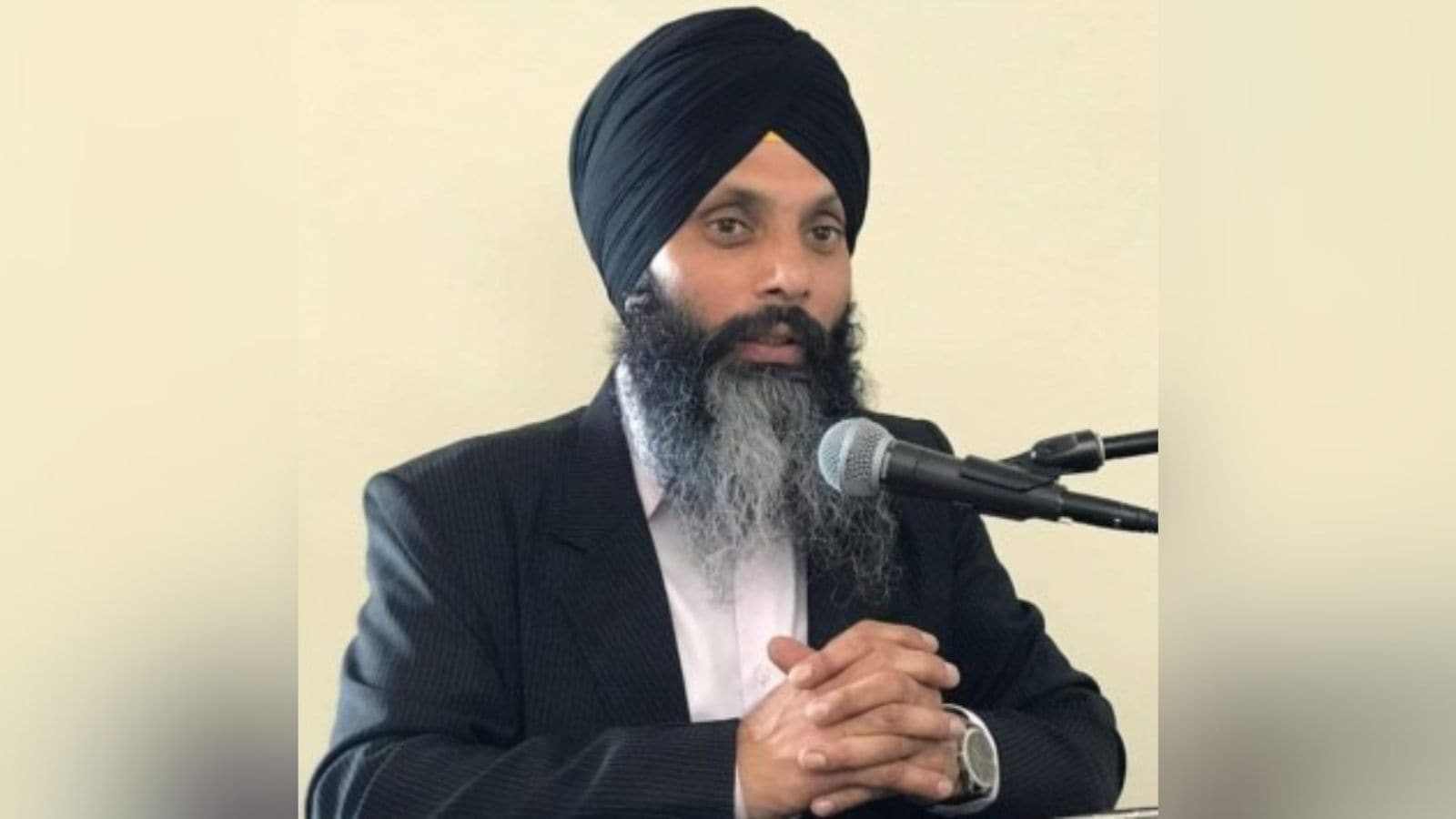
In its first remarks since the indictment of jailed gangster Lawrence Bishnoi and Canada’s statement on pro-Khalistan separatist Hardeep Singh Nijjar’s killing, India said on Tuesday that Delhi has consistently maintained that transnational organised crime “posed a serious threat”. It also said that “India remains committed to working with our partners in combating terrorism and transnational organised crime …”
Responding to Canadian police’s statement that there is “no evidence” to suggest that Indian government officials are involved, Delhi said that the remarks are consistent with the recently unsealed US indictment that attributes responsibility to the members of the Lawrence Bishnoi organised crime group.
Almost three years since Canadian PM Justin Trudeau dropped the bombshell allegation that Canadian security agencies have been actively pursuing credible allegations of a “potential link” between agents of the Government of India and the killing of Nijjar, the US last week charged jailed gangster Lawrence Bishnoi and his aide Goldy Brar with ordering his assassination.
The latest twist in the case happened after an operation against three criminal gangs involved in a spate of transnational crimes. Named ‘Operation Hardball’, the coordinated action had law enforcement agencies from the US, Canada and Europe arrest 24 members of three Indian crime syndicates who are now facing charges of targeted killings, shootings, extortion, and trafficking of narcotics across international borders, the US Department of Justice said.
In Ottawa, Deputy Commissioner Lisa Moreland of the Royal Canadian Mounted police (RCMP) had told Canadian TV channel CBC News: “There is no evidence to suggest that through this organised crime syndicate investigation and the charges laid forward that Indian government officials would be charged or involved in this…nothing has come out to link the Indian government.”
On Tuesday, the Ministry of External Affairs’ official spokesperson Randhir Jaiswal said, “We have noted the remarks made by the RCMP Deputy Commissioner. These remarks are consistent with the recently unsealed US indictment that attributes responsibility to the members of the Lawrence Bishnoi organised crime group. India remains committed to working with our partners in combating terrorism and transnational organised crime through close law enforcement and security cooperation.”
On the indictment of the Lawrence Bishnoi gang, the MEA spokesperson said, “We have seen the announcements made by the US Department of Justice … India has consistently maintained that transnational organised crime, terrorism, narco-trafficking, human trafficking, illegal firearms trafficking and related criminal networks pose a serious threat to our societies.”
“India and the United States enjoy strong and growing cooperation in combating terrorism as well as transnational organised crime. Our agencies have worked closely together over the years, and this cooperation continues to deepen,” he said.
On June 18, 2023, Nijjar — a Canadian citizen — was shot dead outside a gurdwara in Surrey, British Columbia, a case that caused a major rift between New Delhi and Ottawa after Trudeau’s allegations.
Trudeau’s allegations and the investigations into the Nijjar killing had sought to link the Indian government and even named Home Minister Amit Shah as the person behind the campaign targeting Khalistan separatists in Canada. The Indian government had denied these allegations as “absurd” and “baseless”.
The allegations had ruptured the diplomatic ties between India and Canada, with the withdrawal of diplomats, visa restrictions, and winding up of consulates for almost two years. However, since May last year, after Mark Carney became Canada’s PM, efforts were made to insulate the bilateral ties from the investigations and the judicial process into Nijjar’s killing.
In its first remarks since the indictment of jailed gangster Lawrence Bishnoi and Canada’s statement on pro-Khalistan separatist Hardeep Singh Nijjar’s killing, India said on Tuesday that Delhi has consistently maintained that transnational organised crime “posed a serious threat”. It also said that “India remains committed to working with our partners in combating terrorism and transnational organised crime …”
Responding to Canadian police’s statement that there is “no evidence” to suggest that Indian government officials are involved, Delhi said that the remarks are consistent with the recently unsealed US indictment that attributes responsibility to the members of the Lawrence Bishnoi organised crime group.
Almost three years since Canadian PM Justin Trudeau dropped the bombshell allegation that Canadian security agencies have been actively pursuing credible allegations of a “potential link” between agents of the Government of India and the killing of Nijjar, the US last week charged jailed gangster Lawrence Bishnoi and his aide Goldy Brar with ordering his assassination.
The latest twist in the case happened after an operation against three criminal gangs involved in a spate of transnational crimes. Named ‘Operation Hardball’, the coordinated action had law enforcement agencies from the US, Canada and Europe arrest 24 members of three Indian crime syndicates who are now facing charges of targeted killings, shootings, extortion, and trafficking of narcotics across international borders, the US Department of Justice said.
In Ottawa, Deputy Commissioner Lisa Moreland of the Royal Canadian Mounted police (RCMP) had told Canadian TV channel CBC News: “There is no evidence to suggest that through this organised crime syndicate investigation and the charges laid forward that Indian government officials would be charged or involved in this…nothing has come out to link the Indian government.”
On Tuesday, the Ministry of External Affairs’ official spokesperson Randhir Jaiswal said, “We have noted the remarks made by the RCMP Deputy Commissioner. These remarks are consistent with the recently unsealed US indictment that attributes responsibility to the members of the Lawrence Bishnoi organised crime group. India remains committed to working with our partners in combating terrorism and transnational organised crime through close law enforcement and security cooperation.”
On the indictment of the Lawrence Bishnoi gang, the MEA spokesperson said, “We have seen the announcements made by the US Department of Justice … India has consistently maintained that transnational organised crime, terrorism, narco-trafficking, human trafficking, illegal firearms trafficking and related criminal networks pose a serious threat to our societies.”
“India and the United States enjoy strong and growing cooperation in combating terrorism as well as transnational organised crime. Our agencies have worked closely together over the years, and this cooperation continues to deepen,” he said.
On June 18, 2023, Nijjar — a Canadian citizen — was shot dead outside a gurdwara in Surrey, British Columbia, a case that caused a major rift between New Delhi and Ottawa after Trudeau’s allegations.
Trudeau’s allegations and the investigations into the Nijjar killing had sought to link the Indian government and even named Home Minister Amit Shah as the person behind the campaign targeting Khalistan separatists in Canada. The Indian government had denied these allegations as “absurd” and “baseless”.
The allegations had ruptured the diplomatic ties between India and Canada, with the withdrawal of diplomats, visa restrictions, and winding up of consulates for almost two years. However, since May last year, after Mark Carney became Canada’s PM, efforts were made to insulate the bilateral ties from the investigations and the judicial process into Nijjar’s killing.