

CJI Kant faces questions on dissent at UK lecture, Indian Mission calls act indecorous
In response to the developments, the Indian High Commission in London on Friday stated that such indecorous audience behaviour is unacceptable.
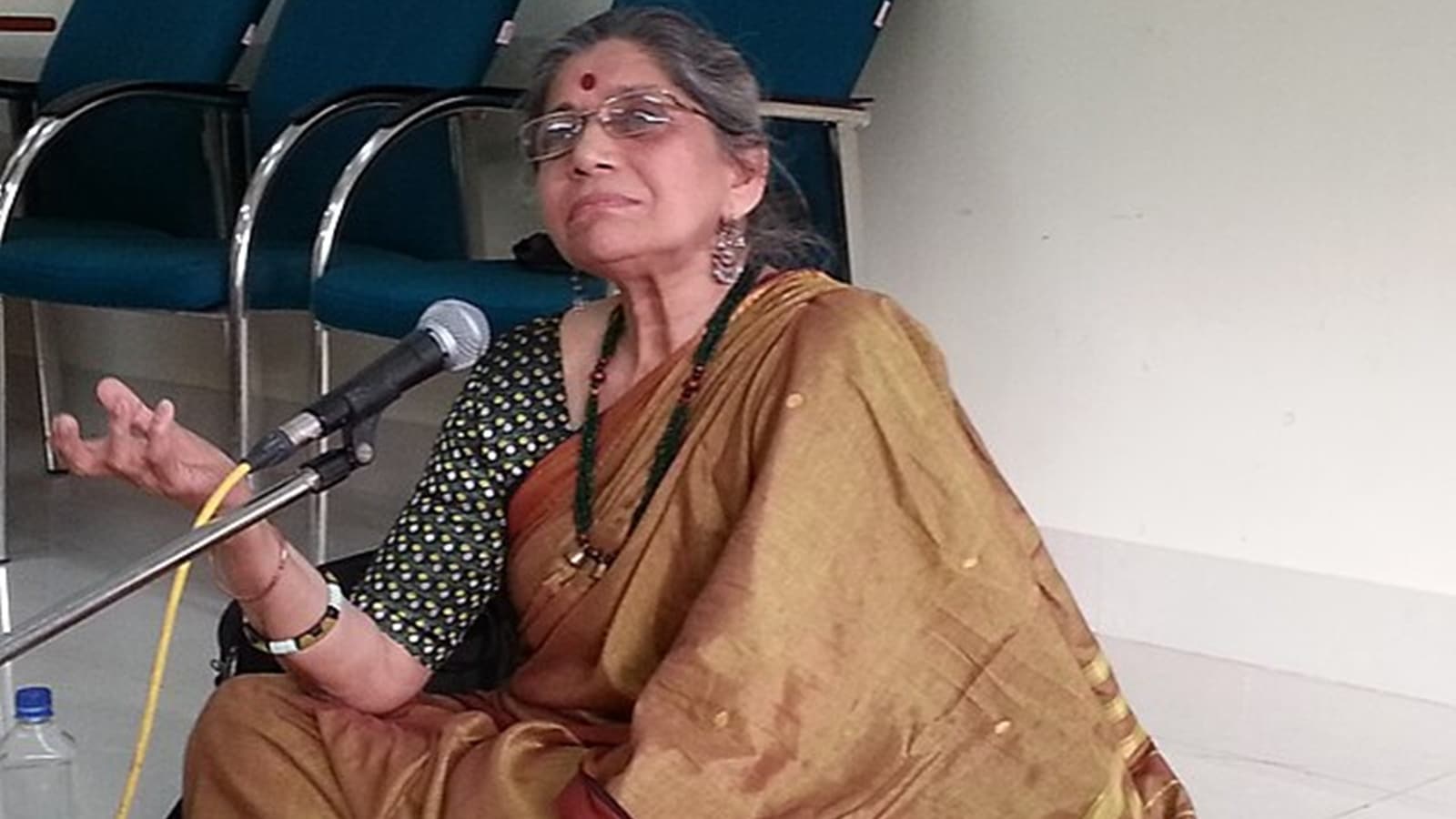
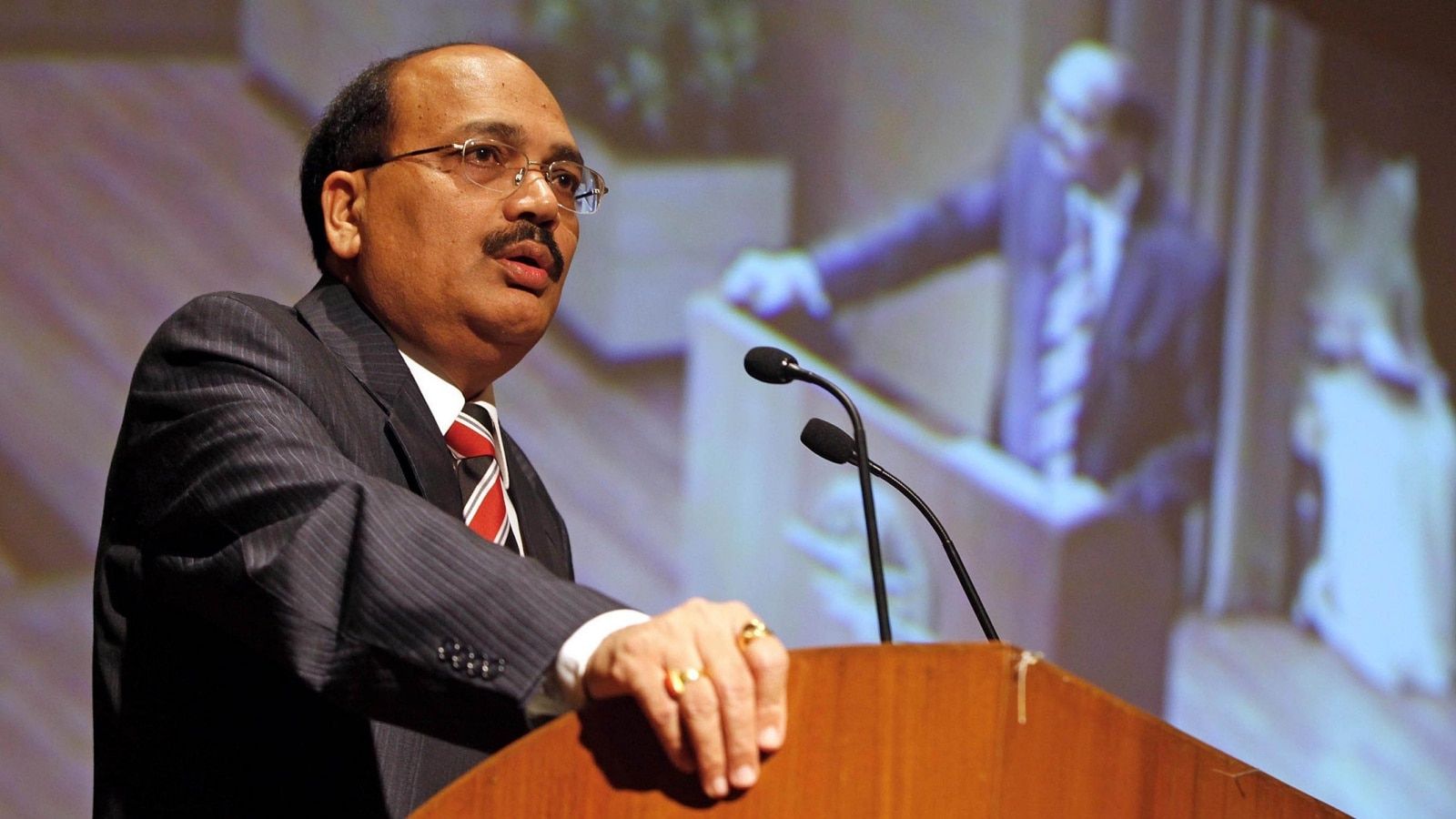
At a lecture on artificial intelligence by CJI Surya Kant on Thursday at the University of London, a member of the audience posed questions about dissent in India, and was told by the anchor that the query is off topic.
Videos of the interactive session at the end of the lecture, shared online showed a woman saying, “his Lordship made some very important points, I think, about the Indian track record of protecting democracy in the context of AI. We now hear from a number of legal observers within the country as well as internationally that there’s a great deal of concern about growing hostility to dissent within India. And it does seem that this hostility is somewhat reflected in His Lordship’s recent very well publicised….”
The anchor intervened before the query was complete and said “with all due respect, I am so sorry mam. I would not be able to take up that question since the topic is concerning artificial intelligence and international law. I am sorry.”
As the questioner persisted, the anchor responded, “I am extremely sorry. We have to cut you off”. Another clip of the event showed a different attendee shouting “…Give us some respect please”.
On Friday, the Indian High Commission in London responded to the developments and said in a statement, “on 04 June 2026, Hon’ble Chief Justice of India attended an event at the University of London, Birkbeck, at the invitation of the organizers, to deliver a lecture on Artificial Intelligence and International Law’… a lively discussion followed his address. Thereafter, a certain individual tried to disrupt the event. Such indecorous audience behavior is unacceptable and inconsistent with respectful engagement that should govern public discourse. Differences of opinion are a natural part of a democratic society. However, they must be expressed in a manner that is civil and respectful.”
On May 16, the CJI while pulling up a lawyer who had filed a petition on senior designation, something the petitioner himself was aspiring for, had said “there are already parasites of society who attack the system and you want to join hands with them? There are youngsters like cockroaches, they don’t get any employment, they don’t have any place in the profession. Some of them become media, some of them become social media, some of them become RTI activists, some of them become other activists, and they start attacking everyone…And you people file contempt petitions!”
As the comments led to outrage, the CJI said he was “misquoted”.
“I am pained to read how a section of the media has misquoted my oral observations made during the hearing of a frivolous case yesterday. What I had specifically criticised were those who have entered professions like the Bar (legal profession) with the aid of fake and bogus degrees. Similar persons have sneaked into the media, social media, and other noble professions as well, and hence, they are like parasites. It is totally baseless to suggest that I criticised the youth of our nation. Not only am I proud of our present and future human resource, but every youth of India inspires me. It is not an exaggeration to say that Indian youth have great regard and respect for me, and I too see them as the pillars of a developed India”, he said.
Meanwhile, in another interactive session with students at the Queen Mary University of London on Friday, the CJI, while responding to a query on the role of the judiciary in maintaining public trust in constitutional democracy, said “public trust is never simply given to an institution” but “is earned, continuously, through transparency, consistency, and the courage to be self-correcting.”
He added “judicial strength does not come from the appearance of infallibility. Institutions grow stronger when they remain open to learning and correction. In a constitutional democracy, the judiciary is the last line of accountability, but it must itself be accountable to the Constitution and to the people it serves”.
At a lecture on artificial intelligence by CJI Surya Kant on Thursday at the University of London, a member of the audience posed questions about dissent in India, and was told by the anchor that the query is off topic.
Videos of the interactive session at the end of the lecture, shared online showed a woman saying, “his Lordship made some very important points, I think, about the Indian track record of protecting democracy in the context of AI. We now hear from a number of legal observers within the country as well as internationally that there’s a great deal of concern about growing hostility to dissent within India. And it does seem that this hostility is somewhat reflected in His Lordship’s recent very well publicised….”
The anchor intervened before the query was complete and said “with all due respect, I am so sorry mam. I would not be able to take up that question since the topic is concerning artificial intelligence and international law. I am sorry.”
As the questioner persisted, the anchor responded, “I am extremely sorry. We have to cut you off”. Another clip of the event showed a different attendee shouting “…Give us some respect please”.
On Friday, the Indian High Commission in London responded to the developments and said in a statement, “on 04 June 2026, Hon’ble Chief Justice of India attended an event at the University of London, Birkbeck, at the invitation of the organizers, to deliver a lecture on Artificial Intelligence and International Law’… a lively discussion followed his address. Thereafter, a certain individual tried to disrupt the event. Such indecorous audience behavior is unacceptable and inconsistent with respectful engagement that should govern public discourse. Differences of opinion are a natural part of a democratic society. However, they must be expressed in a manner that is civil and respectful.”
On May 16, the CJI while pulling up a lawyer who had filed a petition on senior designation, something the petitioner himself was aspiring for, had said “there are already parasites of society who attack the system and you want to join hands with them? There are youngsters like cockroaches, they don’t get any employment, they don’t have any place in the profession. Some of them become media, some of them become social media, some of them become RTI activists, some of them become other activists, and they start attacking everyone…And you people file contempt petitions!”
As the comments led to outrage, the CJI said he was “misquoted”.
“I am pained to read how a section of the media has misquoted my oral observations made during the hearing of a frivolous case yesterday. What I had specifically criticised were those who have entered professions like the Bar (legal profession) with the aid of fake and bogus degrees. Similar persons have sneaked into the media, social media, and other noble professions as well, and hence, they are like parasites. It is totally baseless to suggest that I criticised the youth of our nation. Not only am I proud of our present and future human resource, but every youth of India inspires me. It is not an exaggeration to say that Indian youth have great regard and respect for me, and I too see them as the pillars of a developed India”, he said.
Meanwhile, in another interactive session with students at the Queen Mary University of London on Friday, the CJI, while responding to a query on the role of the judiciary in maintaining public trust in constitutional democracy, said “public trust is never simply given to an institution” but “is earned, continuously, through transparency, consistency, and the courage to be self-correcting.”
He added “judicial strength does not come from the appearance of infallibility. Institutions grow stronger when they remain open to learning and correction. In a constitutional democracy, the judiciary is the last line of accountability, but it must itself be accountable to the Constitution and to the people it serves”.