

Chhattisgarh Cabinet approves new Bill to curb forced conversion
Last year, Home Minister Vijay Sharma had said that the new law would be a ‘step ahead’ of other state-level laws.
The Chhattisgarh Cabinet on Tuesday approved the draft of the Chhattisgarh Freedom of Religion Bill, 2026, which seeks to curb religious conversions carried out through force, inducement, fraudulent means, undue influence, or misrepresentation.
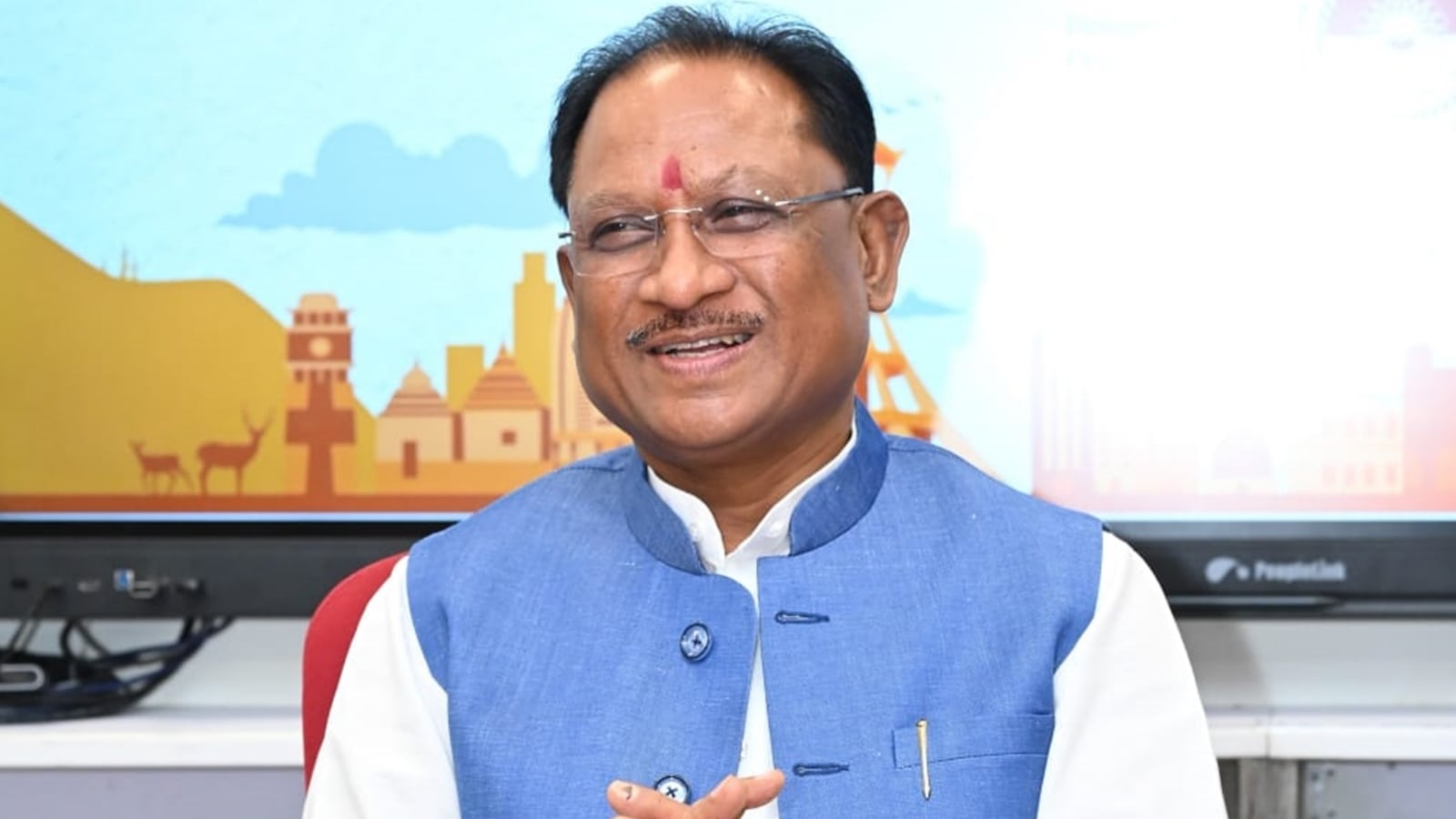
Last October, Chhattisgarh Home Minister Vijay Sharma had said the state government would bring a Bill against “illegal conversions” in the next Assembly session.
Speaking to reporters, Sharma said: “In the next session (of the Vidhan Sabha), we will bring an Act that I believe will be a step ahead of all the state-level (anti-conversion) laws, as we have made the draft after studying all these laws. Also, events like Changai Sabha (healing congregations)… which we all know is done to confuse people… must be stopped. There is a need for a provision in the law to deal with it, which will be done in this Act.”
At present, such cases are covered under the Chhattisgarh Freedom of Religion Act, 1968.
Allegations of “religious conversions” have been a polarising issue in the state. On the eve of Christmas in 2025, right-wing groups had destroyed Christmas decorations at a popular mall in Raipur during a call for Chhattisgarh Bandh to protest allegations of illegal conversions in Bastar.
On July 25 last year, two nuns from Kerala were accused of trafficking and illegally converting three women from Narayanpur district, and were arrested by the Durg Government Railway Police (GRP), triggering a political row. The women later said the nuns were just helping them to get jobs and that they were not converted by the nuns.
In January 2023, a mob of around 50 people allegedly vandalised a church in Narayanpur district and attacked police officials, including the Superintendent of Police. Following the incident, more than 100 people who had converted to Christianity were reportedly socially boycotted from their villages in Kanker, Kondagaon and Narayanpur, and had to live in a stadium in Narayanpur.
Stay updated with the latest - Click here to follow us on Instagram
The Chhattisgarh Cabinet on Tuesday approved the draft of the Chhattisgarh Freedom of Religion Bill, 2026, which seeks to curb religious conversions carried out through force, inducement, fraudulent means, undue influence, or misrepresentation.
Last October, Chhattisgarh Home Minister Vijay Sharma had said the state government would bring a Bill against “illegal conversions” in the next Assembly session.
Speaking to reporters, Sharma said: “In the next session (of the Vidhan Sabha), we will bring an Act that I believe will be a step ahead of all the state-level (anti-conversion) laws, as we have made the draft after studying all these laws. Also, events like Changai Sabha (healing congregations)… which we all know is done to confuse people… must be stopped. There is a need for a provision in the law to deal with it, which will be done in this Act.”
At present, such cases are covered under the Chhattisgarh Freedom of Religion Act, 1968.
Allegations of “religious conversions” have been a polarising issue in the state. On the eve of Christmas in 2025, right-wing groups had destroyed Christmas decorations at a popular mall in Raipur during a call for Chhattisgarh Bandh to protest allegations of illegal conversions in Bastar.
On July 25 last year, two nuns from Kerala were accused of trafficking and illegally converting three women from Narayanpur district, and were arrested by the Durg Government Railway Police (GRP), triggering a political row. The women later said the nuns were just helping them to get jobs and that they were not converted by the nuns.
In January 2023, a mob of around 50 people allegedly vandalised a church in Narayanpur district and attacked police officials, including the Superintendent of Police. Following the incident, more than 100 people who had converted to Christianity were reportedly socially boycotted from their villages in Kanker, Kondagaon and Narayanpur, and had to live in a stadium in Narayanpur.