

‘A carefully crafted trap’: Why Stalin wants Delimitation Bill completely withdrawn
Tamil Nadu CM makes it clear: Verbal assurances from Prime Minister Narendra Modi and Home Minister Amit Shah are not enough
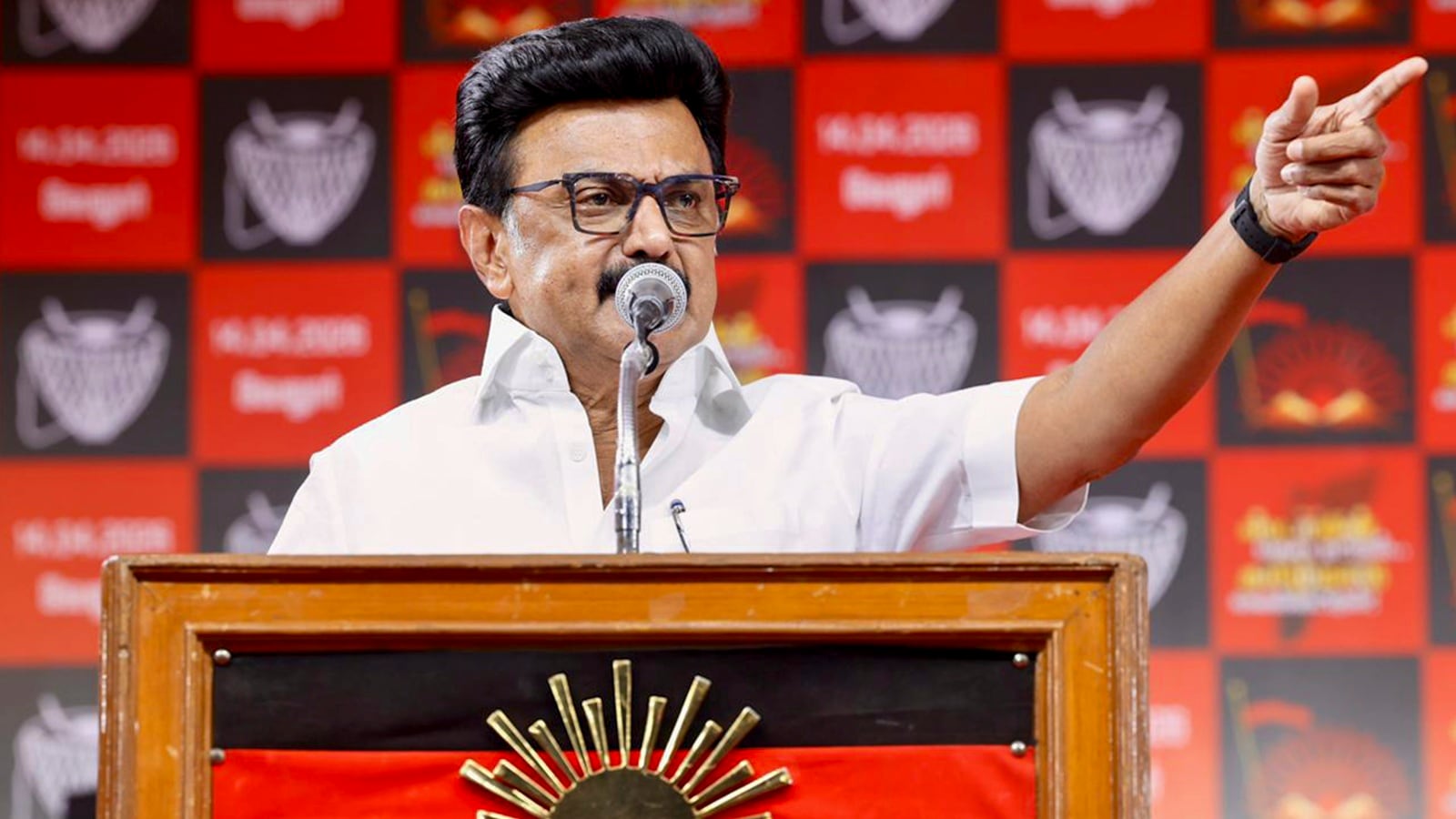
Tamil Nadu Chief Minister M K Stalin on Friday sharply escalated his campaign against the Union government’s proposed delimitation legislation, dismissing fresh assurances from Prime Minister Narendra Modi and Home Minister Amit Shah as inadequate and demanding that the bill be withdrawn in its entirety.
“The Union BJP Government must completely withdraw the Delimitation Bill,” Stalin said in a statement, describing the day as “a defining moment in Tamil Nadu’s political history”.
The intervention came a day after Parliament was told that Tamil Nadu’s representation would not be reduced under the proposed framework – an assurance the DMK government had long demanded formally. But Stalin said the verbal commitment did not match the contents of the legislation placed before Parliament.
“In the face of our sustained protests and uncompromising opposition, the Hon’ble Prime Minister and the Union Home Minister have, on the floor of Parliament, offered a verbal assurance that Tamil Nadu’s representation will not be reduced,” he said. “But their words say one thing, their actions reveal another.”
He called the bill “nothing but a calculated deception” and said it was being rejected outright by Tamil Nadu.
At the centre of Stalin’s objection was the authority proposed for the Delimitation Commission, which he said would allow future governments to alter state representation at will.
“The sweeping powers granted to the Delimitation Commission under this Bill make one thing clear,” he said. “At any time, in any manner they choose, they can alter the representation of states to suit their political interests.”
He described the measure as “a carefully crafted trap, loaded with dangerous intent.”
The statement marks the latest phase of a weeklong confrontation in which Stalin has sought to turn a technical constitutional process into a mass political issue about federalism, representation and Tamil Nadu’s place in the Union.
On Tuesday, he issued what he called a “final warning” to Delhi, saying Tamil Nadu would not remain silent if its political voice were weakened. On Wednesday, he convened an emergency meeting of DMK district secretaries and called for black flag protests. On Thursday, while campaigning in Namakkal, he hoisted a black flag and burned a copy of the proposed legislation, invoking the anti-Hindi agitations of the 1950s and 1960s.
The sustained mobilisation has been notable because delimitation had not otherwise emerged as a dominant electoral issue in the ongoing Tamil Nadu campaign. Inflation, welfare delivery and alliance arithmetic remain more immediate concerns for many voters. Yet the DMK appears to have concluded that delimitation offers a larger ideological battleground – one on which it can cast itself as the principal defender of state rights against central overreach.
Stalin’s Friday statement continued that theme, accusing the Centre of speaking in favour of states while weakening them in practice.
“Jawaharlal Nehru assured that Hindi would never be imposed, and he honoured that promise as long as he lived,” he said. “The present Union regime, however, speaks of protecting state rights even as it systematically dismantles them piece by piece.”
The chief minister also sought to anchor his position in historical precedent rather than outright rejection of reform. He said Tamil Nadu was asking for the restoration of constitutional safeguards used by previous prime ministers.
“What we demand is clear,” he said. “The same constitutional safeguard that former Prime Ministers Indira Gandhi and Atal Bihari Vajpayee provided by freezing delimitation through constitutional amendment must be restored.”
In an interview with The Indian Express on Wednesday, he said Vajpayee had frozen delimitation “to preserve balance until the country evolved more evenly,” and asked why that approach should now be abandoned.
The Union government has maintained that southern states will not lose seats and that fears of diminished representation are misplaced. But Stalin said assurances without statutory guarantees could not be trusted.
“This Bill must not be rushed through in haste,” he said. “The Union Government must withdraw it in full.”
He added that if the government sought to pass it using its parliamentary majority, “they will face the consequences in Tamil Nadu.”
Stay updated with the latest - Click here to follow us on Instagram
Tamil Nadu Chief Minister M K Stalin on Friday sharply escalated his campaign against the Union government’s proposed delimitation legislation, dismissing fresh assurances from Prime Minister Narendra Modi and Home Minister Amit Shah as inadequate and demanding that the bill be withdrawn in its entirety.
“The Union BJP Government must completely withdraw the Delimitation Bill,” Stalin said in a statement, describing the day as “a defining moment in Tamil Nadu’s political history”.
The intervention came a day after Parliament was told that Tamil Nadu’s representation would not be reduced under the proposed framework – an assurance the DMK government had long demanded formally. But Stalin said the verbal commitment did not match the contents of the legislation placed before Parliament.
“In the face of our sustained protests and uncompromising opposition, the Hon’ble Prime Minister and the Union Home Minister have, on the floor of Parliament, offered a verbal assurance that Tamil Nadu’s representation will not be reduced,” he said. “But their words say one thing, their actions reveal another.”
He called the bill “nothing but a calculated deception” and said it was being rejected outright by Tamil Nadu.
At the centre of Stalin’s objection was the authority proposed for the Delimitation Commission, which he said would allow future governments to alter state representation at will.
“The sweeping powers granted to the Delimitation Commission under this Bill make one thing clear,” he said. “At any time, in any manner they choose, they can alter the representation of states to suit their political interests.”
He described the measure as “a carefully crafted trap, loaded with dangerous intent.”
The statement marks the latest phase of a weeklong confrontation in which Stalin has sought to turn a technical constitutional process into a mass political issue about federalism, representation and Tamil Nadu’s place in the Union.
On Tuesday, he issued what he called a “final warning” to Delhi, saying Tamil Nadu would not remain silent if its political voice were weakened. On Wednesday, he convened an emergency meeting of DMK district secretaries and called for black flag protests. On Thursday, while campaigning in Namakkal, he hoisted a black flag and burned a copy of the proposed legislation, invoking the anti-Hindi agitations of the 1950s and 1960s.
The sustained mobilisation has been notable because delimitation had not otherwise emerged as a dominant electoral issue in the ongoing Tamil Nadu campaign. Inflation, welfare delivery and alliance arithmetic remain more immediate concerns for many voters. Yet the DMK appears to have concluded that delimitation offers a larger ideological battleground – one on which it can cast itself as the principal defender of state rights against central overreach.
Stalin’s Friday statement continued that theme, accusing the Centre of speaking in favour of states while weakening them in practice.
“Jawaharlal Nehru assured that Hindi would never be imposed, and he honoured that promise as long as he lived,” he said. “The present Union regime, however, speaks of protecting state rights even as it systematically dismantles them piece by piece.”
The chief minister also sought to anchor his position in historical precedent rather than outright rejection of reform. He said Tamil Nadu was asking for the restoration of constitutional safeguards used by previous prime ministers.
“What we demand is clear,” he said. “The same constitutional safeguard that former Prime Ministers Indira Gandhi and Atal Bihari Vajpayee provided by freezing delimitation through constitutional amendment must be restored.”
In an interview with The Indian Express on Wednesday, he said Vajpayee had frozen delimitation “to preserve balance until the country evolved more evenly,” and asked why that approach should now be abandoned.
The Union government has maintained that southern states will not lose seats and that fears of diminished representation are misplaced. But Stalin said assurances without statutory guarantees could not be trusted.
“This Bill must not be rushed through in haste,” he said. “The Union Government must withdraw it in full.”
He added that if the government sought to pass it using its parliamentary majority, “they will face the consequences in Tamil Nadu.”