

Exclusive: Decomposed samples, broken custody chain, and evidence that wasn’t – Bhopal ‘cow slaughter’ case unravels
Police said they had reviewed CCTV footage and found that it only showed buffaloes being slaughtered.
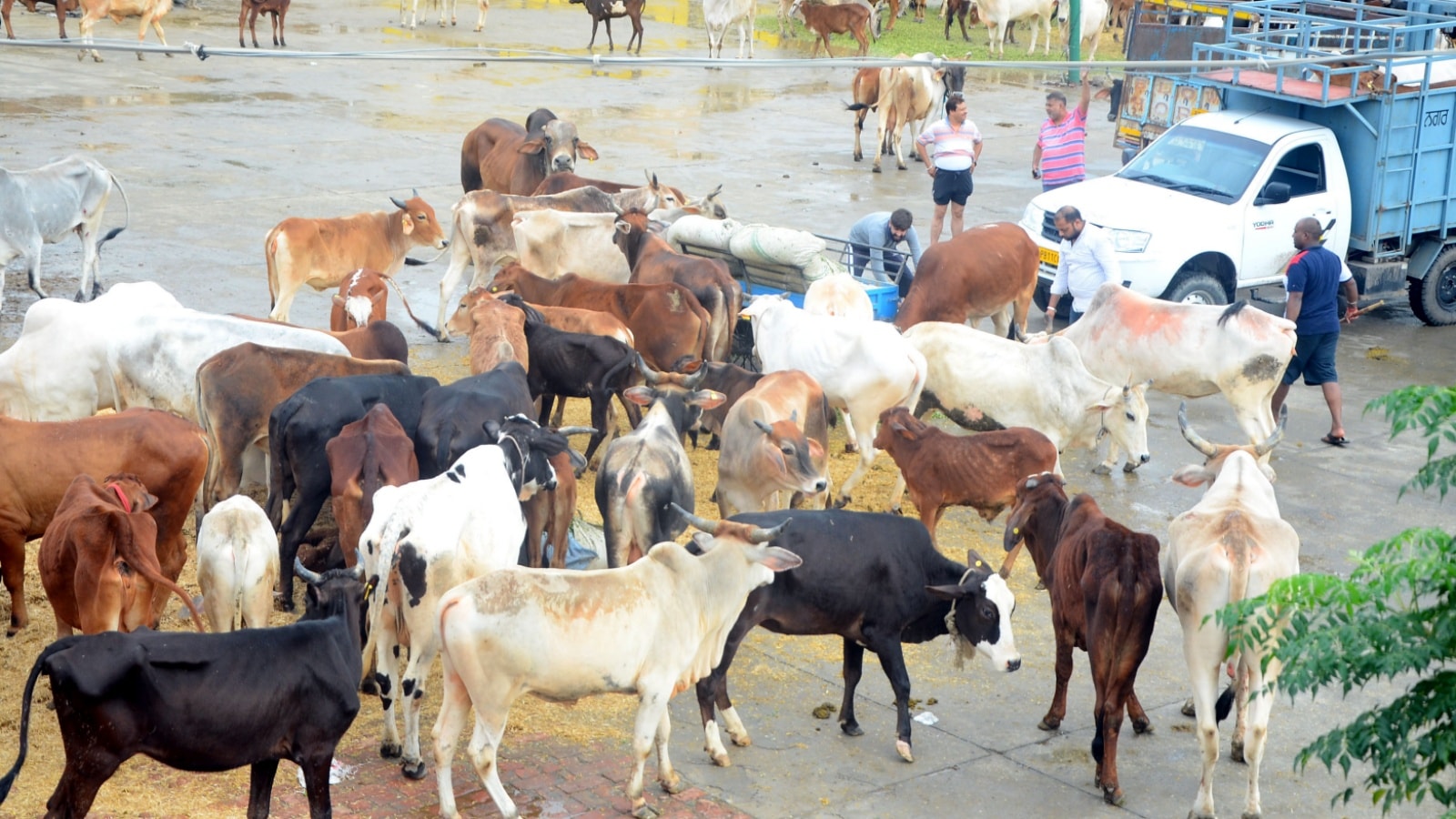
Months after the Bhopal Municipal Corporation got embroiled in a major controversy over allegations that a slaughterhouse that operated under a public-private partnership had slaughtered cows, the Madhya Pradesh Police said the key evidence in the case, about 26.5 tonnes of seized meat, could no longer be relied upon as it had been released back to the accused.
Police seized the meat from a refrigerated truck in December last year based on allegations raised by a group called Ma Bhawani Sangathan that the slaughterhouse at Jinsi in Bhopal was slaughtering cows and passing it off as buffalo meat.
According to the chargesheet, when samples of the meat were sent for a preliminary forensic examination in Mathura, it was confirmed to be cow meat.
However, when police personnel reviewed the CCTV cameras inside the slaughterhouse, they found that the footage only showed buffaloes being slaughtered, the chargesheet filed by police last month said.
Subsequently, more samples were then sent to Hyderabad for a secondary test.
Meanwhile, police handed over the evidence, the seized meat, back to the driver of the refrigerated truck as supurdgi — the provision under which seized items are returned to the owner on an interim basis instead of being left to decay in police custody.
The Hyderabad test failed as the samples had decomposed by the time they reached there, the chargesheet said.
Later, police traced the meat that had been confiscated and then returned to the accused, but investigators believe samples from this would no longer be reliable, as the meat had been in the custody of the accused.
The controversy started when members of the Ma Bhawani Sangathan had, on the night of December 17, 2025, stopped a refrigerated container truck that rolled out of the Municipal Corporation slaughterhouse at the Jinsi area of Jahangirabad in Bhopal. The driver, Mohammad Shoaib, had loaded 1,325 packets of what was said to be buffalo meat, weighing approximately 26,500 kilogrammes, destined for Wasi Agro Fresh Store in Pawana village, Navi Mumbai.
Based on a complaint by the group’s head, Bhanu Hindu, police took custody of the meat and arrested the driver, Shoaib.
The slaughterhouse runs under a public-private partnership arrangement between the Bhopal Municipal Corporation (BMC) and a company called Live Stock Food Processor Private Limited, which is owned by Aslam Qureshi.
After the driver’s arrest, Qureshi was also arrested in the case. Both were booked under sections 4, 5, and 9 of the Madhya Pradesh Cow Slaughter Prohibition Act, 2004, and section 61(2) of the Bharatiya Nyaya Sanhita, and are the two accused named in the chargesheet.
Qureshi has denied any wrongdoing. He told investigators, “All rules related to slaughterhouse operations are followed, and for transportation, certificates are issued by municipal veterinary officers. Monitoring of the slaughterhouse is also done by municipal veterinary officers.”
When investigators inspected the slaughterhouse, about 40–50 tonnes of meat were found stored in the freezer unit. No other items, records, or computer data were found, officials said, adding that during the search of the company office in the presence of the accused, the stock register and inward-outward register were found to be missing. The operator failed to produce records, indicating deliberate destruction of evidence, police alleged.
The police chargesheet states, “Under the cover of legal buffalo meat export”, Qureshi allegedly developed a “system for illegal trade of prohibited cow progeny meat. The large quantity indicates prior criminal conspiracy.”
On December 18, samples were first drawn from the seized meat, and later, at the State Veterinary Hospital in Jahangirabad, a team of veterinary surgeons collected sealed samples in separate packets for forensic examination. These were forwarded through official correspondence to the forensic laboratory at Mathura Veterinary College, which said the samples belonged to the progeny of cows.
On January 12, 2026, investigators opened the slaughterhouse’s DVR and began examining CCTV footage. The DVR footage showed the container truck entering the premises in the early hours of December 17, being loaded throughout the day, and exiting late at night. Cameras 13 and 16, the ones covering the actual slaughter area, showed animals being slaughtered, but none of them were cows.
“Cameras no. 13 and 16 recorded slaughter activity, where only buffaloes were seen tied and slaughtered; no other animals were visible. No cows were seen in any footage,” the chargesheet noted.
However, investigators noticed something else — the DVR had a storage capacity of approximately one month, but footage was only available from 5 pm on December 16, 2025, “raising suspicion of possible tampering with earlier recordings”.
The administration ordered a second layer of scientific scrutiny. Acting on directions from the Bhopal Collector’s office, preserved samples were retrieved under videography on January 14 and transported by a police team to the National Meat Research Institute in Hyderabad for DNA testing.
A senior police officer told The Indian Express that the samples sent to Hyderabad had decomposed by the time they arrived. “The samples were decomposed, and we could not ascertain whether the meat was of a buffalo or a cow. The findings have been submitted to the court.”
Crucially, the remaining meat and the container truck were released back to the driver, a decision that would later raise questions about the integrity of evidence preservation. Said a senior police officer, “The facility was run under a PPP model, and we handed over the seized meat back to BMC (Bhopal Municipal Corporation) officials. They gave it back to the accused persons.”
Later, when police tracked the meat to the facility in Navi Mumbai, they could not trust the authenticity of the evidence.
Sub-Inspector Pawan Sen had arrived in Navi Mumbai on February 19, 2026 and reported that the meat from Bhopal was kept separately in cold storage.
Production in charge of the facility said that after the incident, damaged packets were repacked and stored. However, the chargesheet said, “This information was not found reliable, as after handing over the container on custody, the chain of custody was broken and cannot be relied upon. Further investigation on this aspect is necessary.”
The chargesheet is emphatic about the evidentiary standing of the Mathura report already in hand: “From the place of seizure to sample collection, sealing, and transportation to the Mathura laboratory, the entire chain of custody remained intact and secure. There is no possibility of any tampering with the samples, which is confirmed by the ‘seal intact’ certificate issued by the laboratory.”
The chargesheet also alleged that analysis of records from the slaughterhouse indicated “deliberate mislabeling of cow meat as buffalo meat and manipulation of records”.
BMC officials have not responded to the allegations on the record. However, an official said, “We have cooperated with the police investigation. The accused persons have done illegal activities based on which the police took action.”
Stay updated with the latest - Click here to follow us on Instagram
Months after the Bhopal Municipal Corporation got embroiled in a major controversy over allegations that a slaughterhouse that operated under a public-private partnership had slaughtered cows, the Madhya Pradesh Police said the key evidence in the case, about 26.5 tonnes of seized meat, could no longer be relied upon as it had been released back to the accused.
Police seized the meat from a refrigerated truck in December last year based on allegations raised by a group called Ma Bhawani Sangathan that the slaughterhouse at Jinsi in Bhopal was slaughtering cows and passing it off as buffalo meat.
According to the chargesheet, when samples of the meat were sent for a preliminary forensic examination in Mathura, it was confirmed to be cow meat.
However, when police personnel reviewed the CCTV cameras inside the slaughterhouse, they found that the footage only showed buffaloes being slaughtered, the chargesheet filed by police last month said.
Subsequently, more samples were then sent to Hyderabad for a secondary test.
Meanwhile, police handed over the evidence, the seized meat, back to the driver of the refrigerated truck as supurdgi — the provision under which seized items are returned to the owner on an interim basis instead of being left to decay in police custody.
The Hyderabad test failed as the samples had decomposed by the time they reached there, the chargesheet said.
Later, police traced the meat that had been confiscated and then returned to the accused, but investigators believe samples from this would no longer be reliable, as the meat had been in the custody of the accused.
The controversy started when members of the Ma Bhawani Sangathan had, on the night of December 17, 2025, stopped a refrigerated container truck that rolled out of the Municipal Corporation slaughterhouse at the Jinsi area of Jahangirabad in Bhopal. The driver, Mohammad Shoaib, had loaded 1,325 packets of what was said to be buffalo meat, weighing approximately 26,500 kilogrammes, destined for Wasi Agro Fresh Store in Pawana village, Navi Mumbai.
Based on a complaint by the group’s head, Bhanu Hindu, police took custody of the meat and arrested the driver, Shoaib.
The slaughterhouse runs under a public-private partnership arrangement between the Bhopal Municipal Corporation (BMC) and a company called Live Stock Food Processor Private Limited, which is owned by Aslam Qureshi.
After the driver’s arrest, Qureshi was also arrested in the case. Both were booked under sections 4, 5, and 9 of the Madhya Pradesh Cow Slaughter Prohibition Act, 2004, and section 61(2) of the Bharatiya Nyaya Sanhita, and are the two accused named in the chargesheet.
Qureshi has denied any wrongdoing. He told investigators, “All rules related to slaughterhouse operations are followed, and for transportation, certificates are issued by municipal veterinary officers. Monitoring of the slaughterhouse is also done by municipal veterinary officers.”
When investigators inspected the slaughterhouse, about 40–50 tonnes of meat were found stored in the freezer unit. No other items, records, or computer data were found, officials said, adding that during the search of the company office in the presence of the accused, the stock register and inward-outward register were found to be missing. The operator failed to produce records, indicating deliberate destruction of evidence, police alleged.
The police chargesheet states, “Under the cover of legal buffalo meat export”, Qureshi allegedly developed a “system for illegal trade of prohibited cow progeny meat. The large quantity indicates prior criminal conspiracy.”
On December 18, samples were first drawn from the seized meat, and later, at the State Veterinary Hospital in Jahangirabad, a team of veterinary surgeons collected sealed samples in separate packets for forensic examination. These were forwarded through official correspondence to the forensic laboratory at Mathura Veterinary College, which said the samples belonged to the progeny of cows.
On January 12, 2026, investigators opened the slaughterhouse’s DVR and began examining CCTV footage. The DVR footage showed the container truck entering the premises in the early hours of December 17, being loaded throughout the day, and exiting late at night. Cameras 13 and 16, the ones covering the actual slaughter area, showed animals being slaughtered, but none of them were cows.
“Cameras no. 13 and 16 recorded slaughter activity, where only buffaloes were seen tied and slaughtered; no other animals were visible. No cows were seen in any footage,” the chargesheet noted.
However, investigators noticed something else — the DVR had a storage capacity of approximately one month, but footage was only available from 5 pm on December 16, 2025, “raising suspicion of possible tampering with earlier recordings”.
The administration ordered a second layer of scientific scrutiny. Acting on directions from the Bhopal Collector’s office, preserved samples were retrieved under videography on January 14 and transported by a police team to the National Meat Research Institute in Hyderabad for DNA testing.
A senior police officer told The Indian Express that the samples sent to Hyderabad had decomposed by the time they arrived. “The samples were decomposed, and we could not ascertain whether the meat was of a buffalo or a cow. The findings have been submitted to the court.”
Crucially, the remaining meat and the container truck were released back to the driver, a decision that would later raise questions about the integrity of evidence preservation. Said a senior police officer, “The facility was run under a PPP model, and we handed over the seized meat back to BMC (Bhopal Municipal Corporation) officials. They gave it back to the accused persons.”
Later, when police tracked the meat to the facility in Navi Mumbai, they could not trust the authenticity of the evidence.
Sub-Inspector Pawan Sen had arrived in Navi Mumbai on February 19, 2026 and reported that the meat from Bhopal was kept separately in cold storage.
Production in charge of the facility said that after the incident, damaged packets were repacked and stored. However, the chargesheet said, “This information was not found reliable, as after handing over the container on custody, the chain of custody was broken and cannot be relied upon. Further investigation on this aspect is necessary.”
The chargesheet is emphatic about the evidentiary standing of the Mathura report already in hand: “From the place of seizure to sample collection, sealing, and transportation to the Mathura laboratory, the entire chain of custody remained intact and secure. There is no possibility of any tampering with the samples, which is confirmed by the ‘seal intact’ certificate issued by the laboratory.”
The chargesheet also alleged that analysis of records from the slaughterhouse indicated “deliberate mislabeling of cow meat as buffalo meat and manipulation of records”.
BMC officials have not responded to the allegations on the record. However, an official said, “We have cooperated with the police investigation. The accused persons have done illegal activities based on which the police took action.”