

CJP protest, Ken-Betwa project, India’s foreign policy lessons: Today’s Premium reads
Here are today's Premium stories from The Indian Express
From a broad-based youth mobilisation in Delhi and the contentious politics around protest to the Ken-Betwa river-linking project to the lessons of India’s 1991 foreign policy crisis, the story of a Santhali filmmaker taking Adivasi folklore to the National Film Awards, and why Tamil Nadu is emerging as India’s closest bet to China’s women-led electronics manufacturing model — here are today’s Premium reads.
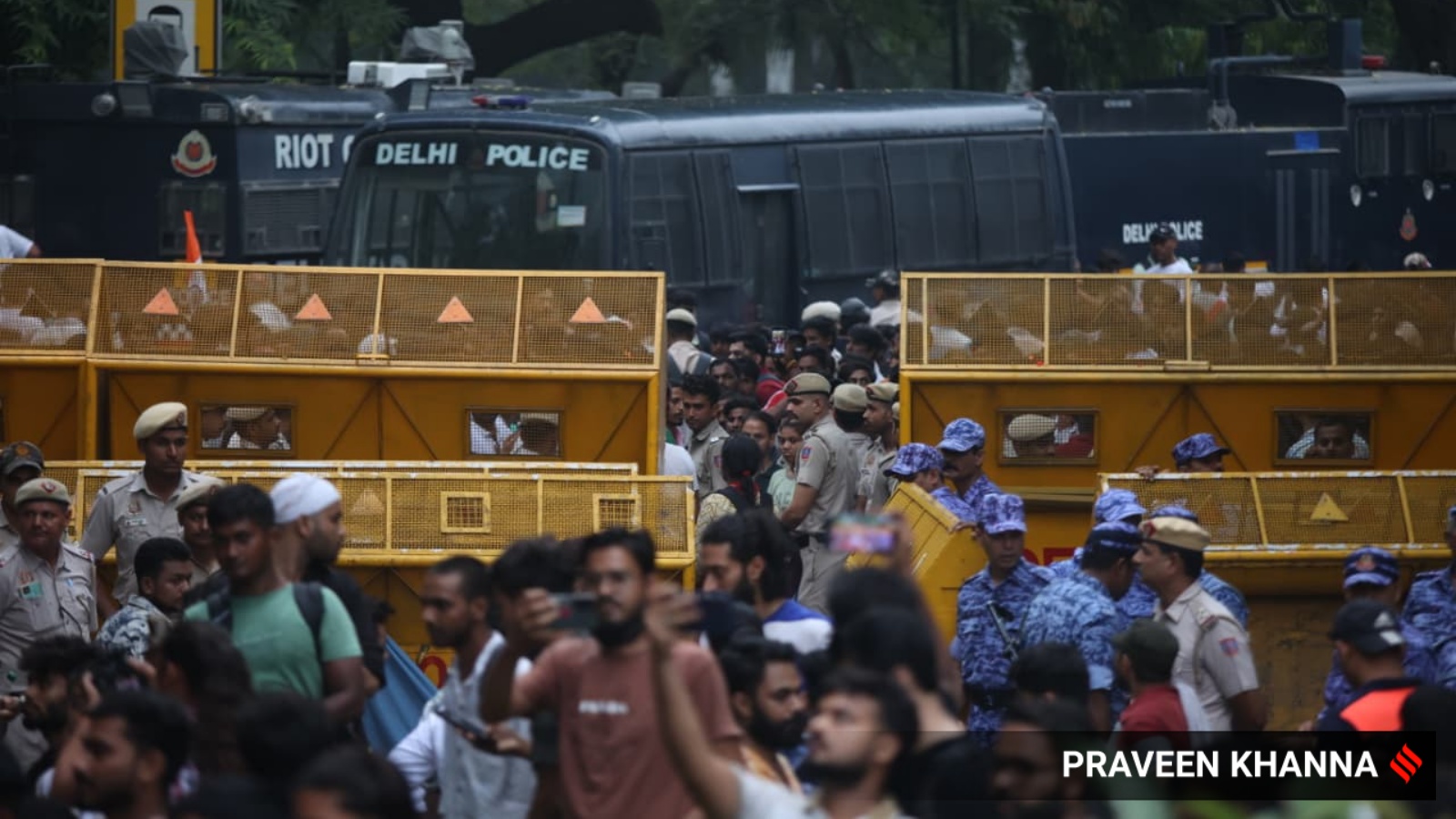
The Cockroach Janta Party’s protest has grown beyond the party itself, drawing a diverse, largely young crowd to Jantar Mantar over exam reforms and the demand for Education Minister Dharmendra Pradhan’s resignation. As the mobilisation gathers momentum, it marks an unusual challenge for Prime Minister Narendra Modi — a broad-based protest that cuts across the specific interest groups that have dominated earlier agitations against his government.
As the CJP-led protest spills from social media to Delhi’s streets, the debate has shifted from who is leading it to why thousands are showing up. Swapnil Joglekar and Vaishnawi Sinha report on the students, parents and professionals behind the mobilisation — and ask why supporting a cause increasingly comes with a disclaimer.
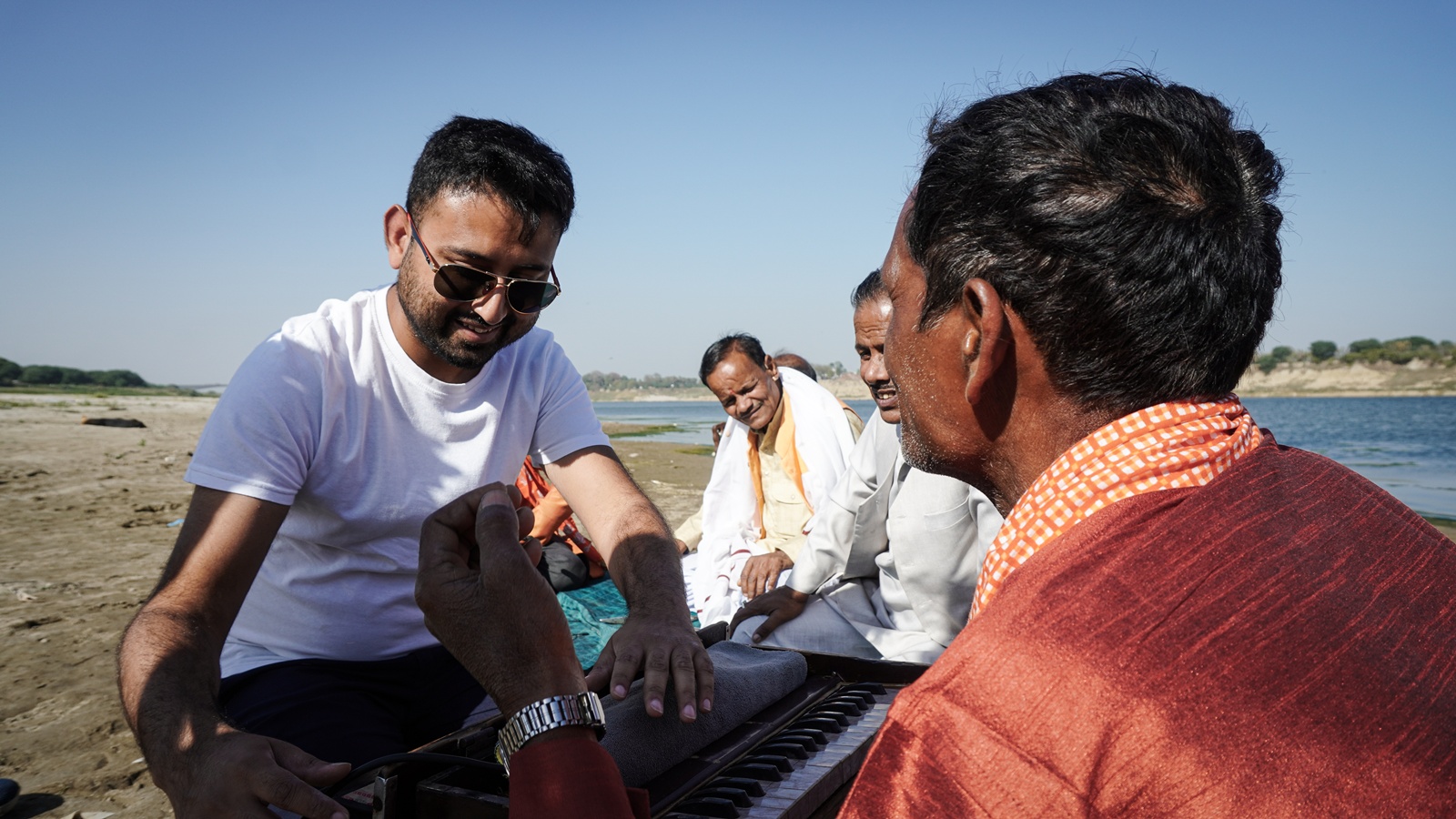
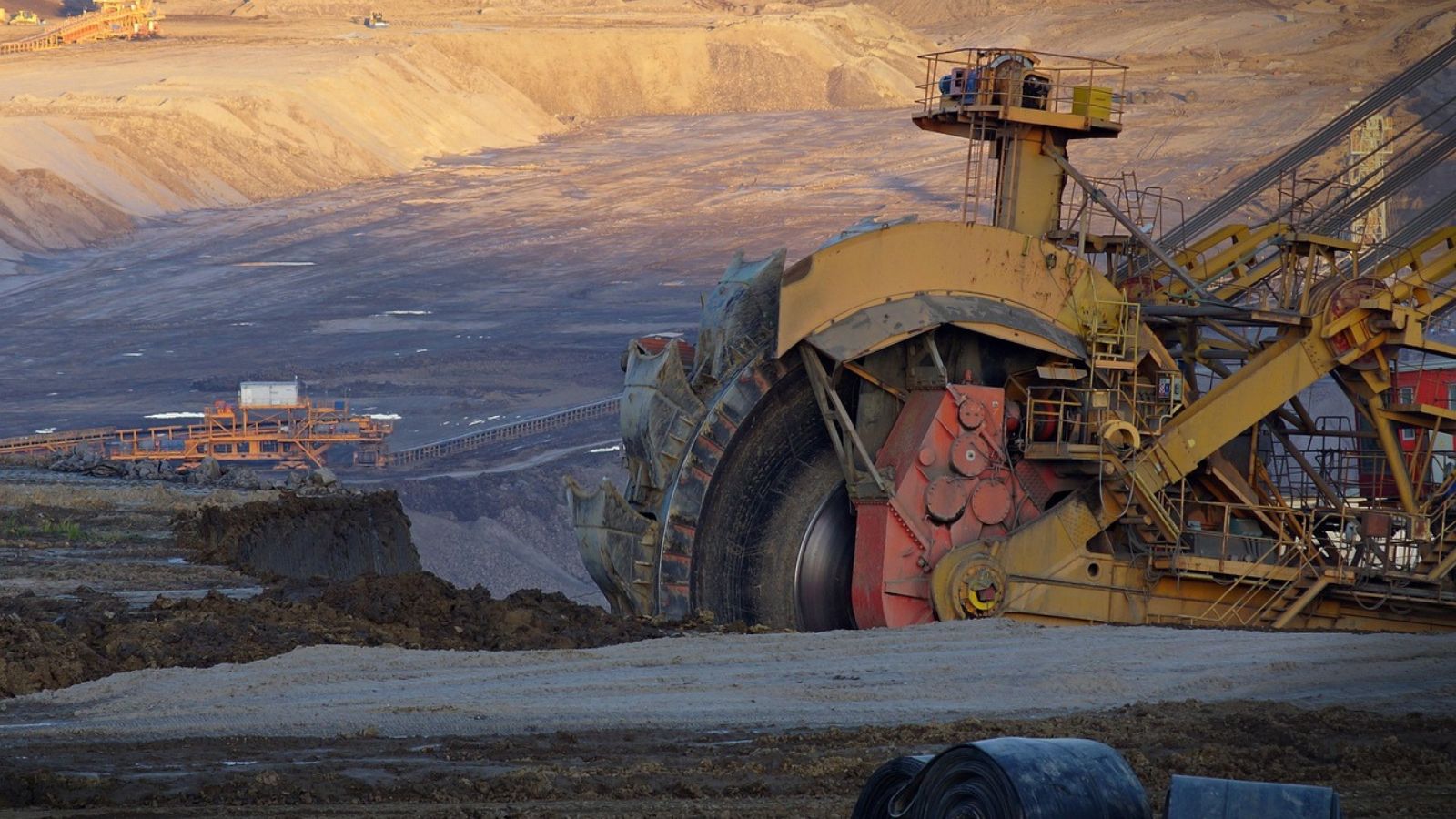
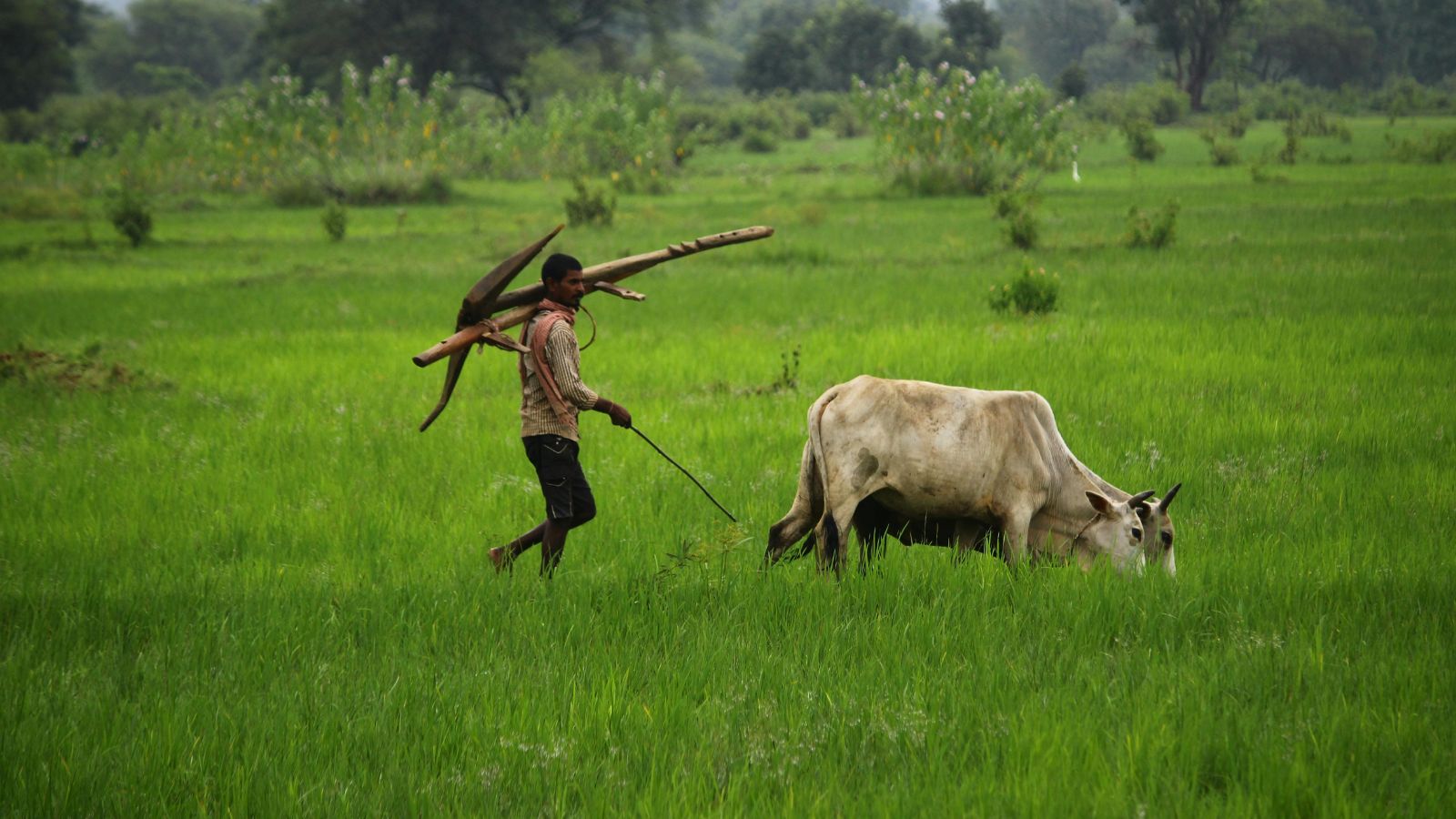
After decades of uncertainty, the Ken-Betwa river linking project, which aims to irrigate the parched Bundelkhand region, is now racing to meet new deadlines. Anand Mohan J travels along the Ken to see how a Rs 44,605-crore engineering project is reshaping the river — and the lives along its banks.
Historical analogies must be approached with caution. Yet there is a striking symmetry between the foreign policy challenges that confronted India in 1990-91 and those now posed by the wars in Iran and Ukraine. C Raja Mohan examines the lessons Delhi must draw from that moment — and why domestic reform, not diplomacy alone, will determine how India navigates a more uncertain world.
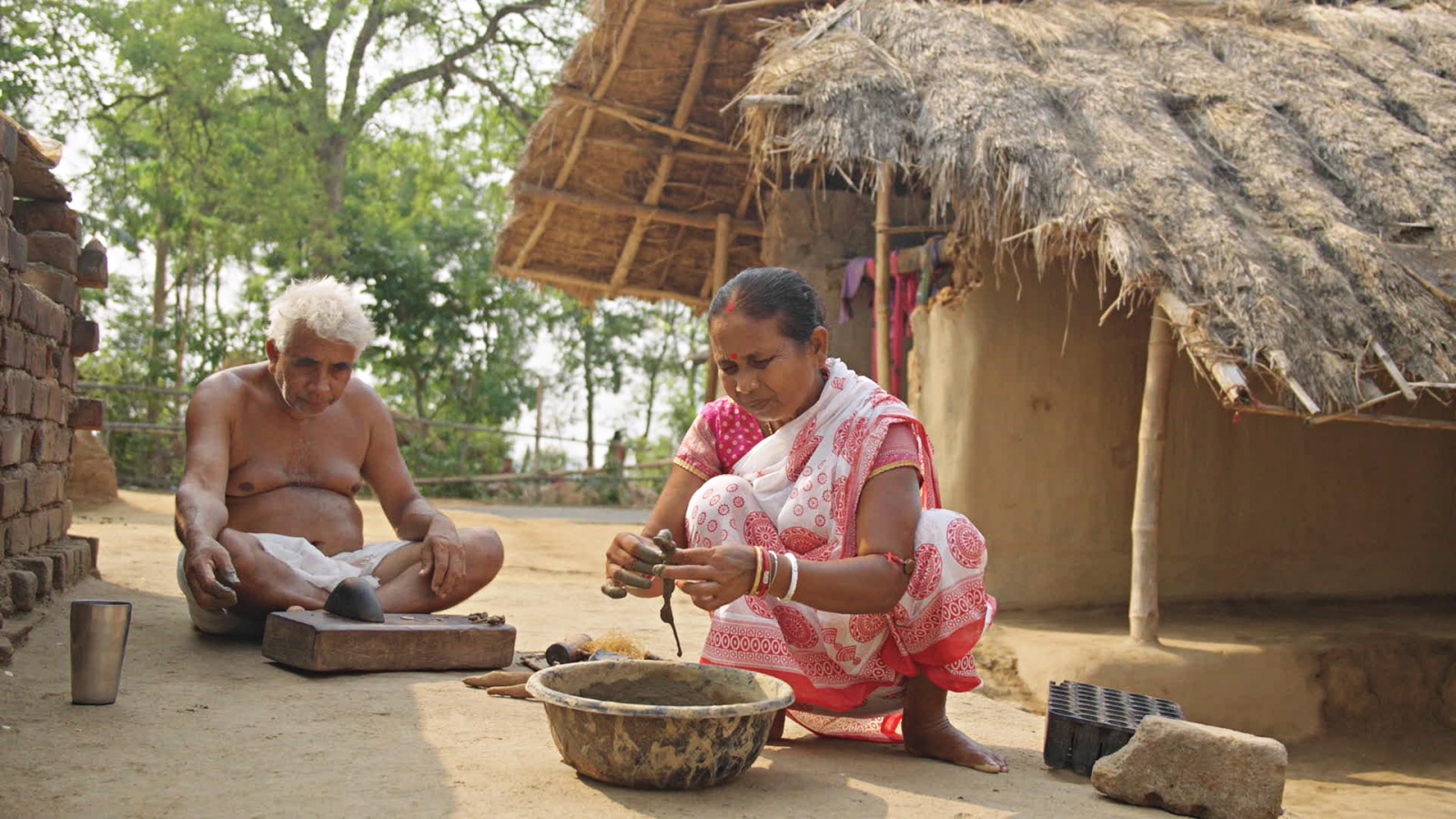
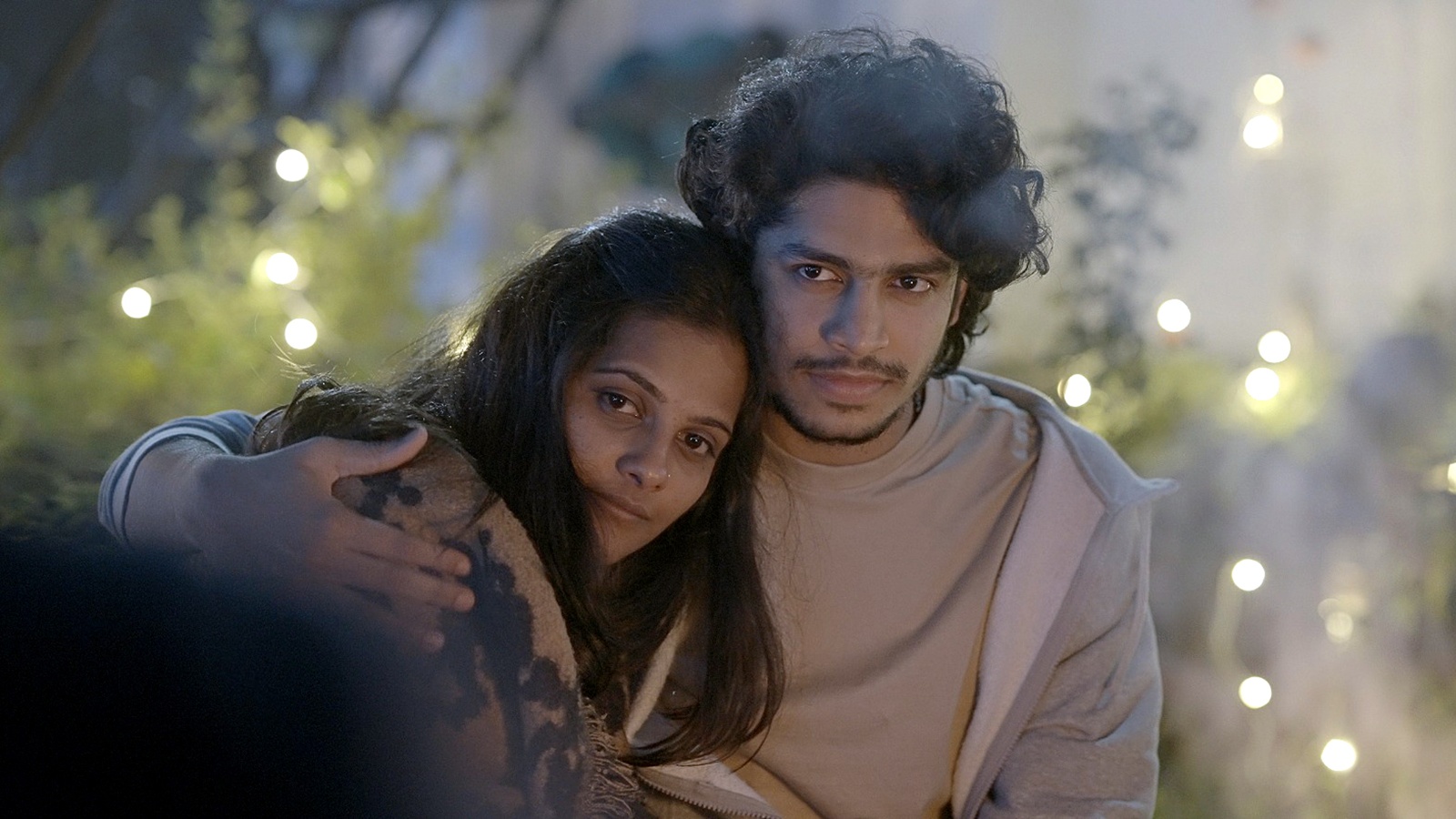
Growing up with Santhali folktales in a Jharkhand village, filmmaker Ravi Raj Murmu wanted to bring Adivasi stories to the screen in their own language. His 12-minute short Angen, rooted in a Santhali folktale and the fading bond between Adivasi communities and nature, has now become the first Santhali film to win a National Film Award. This is the story of a filmmaker taking stories once passed down orally to India’s biggest cinematic stage.
Tamil Nadu is emerging as India’s closest contender to China’s women-led electronics manufacturing model, with nearly half of the country’s women workers in electronics manufacturing employed in the state. This report examines how factory jobs, worker hostels and rising wages are drawing women into the workforce — and why other states are struggling to replicate the Tamil Nadu model.
***
From the right to protest and the politics of dissent to the reopening of old cases in West Bengal, our Premium reads on July 21 examine the fault lines shaping India’s political and social landscape. Also read about an AI-linked triple murder investigation, PNB’s growth strategy, and Samsung’s bet on wider foldables as the smartphone market enters a new phase.
The police crackdown on the Cockroach Janta Party’s march to Parliament has brought the right to protest into focus. What does the Constitution say about peaceful assembly, what restrictions can the state impose, and where can protests be held? This explainer looks at the legal framework and key Supreme Court rulings on the right to protest.
Fifteen years apart, Anna Hazare and Sonam Wangchuk have used hunger strikes to challenge the government, but with vastly different outcomes. Anna’s anti-corruption movement in 2011 drew nationwide support, ultimately reshaping India’s political landscape. Wangchuk’s ongoing protest has struggled to attract similar attention from the Opposition, media, or civil society.
The contrast raises an important question: What is society thinking as a whole? Have we become a bunch of people who only judge success and failure based on elections? It is imperative to address these questions sooner rather than later, as the current silence may echo the silence of the lambs, Girish Kuber writes.
From the 2021 post-poll violence to the R G Kar rape-murder and the killing of a schoolgirl in a bomb blast, the BJP government in West Bengal is reopening cases it says were mishandled under the previous regime. Read Sweety Kumari’s report on how the move has sparked a political battle, with the Trinamool Congress alleging selective targeting and the government promising to pursue what it calls years of “cover-ups”.
For six months, a Bengaluru techie allegedly planned the murders of his live-in partner’s family, turning to an AI tool for answers on everything from killing and cleaning up blood to disposing of the bodies. Police say the case offers a glimpse into how technology, isolation and obsession came together in a crime that investigators are now trying to piece together.
PNB MD and CEO Ashok Chandra tells The Indian Express the bank is on track to mobilise $2.5 billion in FCNR(B) deposits, with industry-wide inflows expected to pick up in August and September. He also discusses credit growth, the bank’s push into renewable energy and gold loans, and why he does not expect AI to lead to job losses in banking.
As smartphone buyers hold on to their devices for longer, Samsung is betting on a new generation of wider foldables to revive demand and push consumers towards the ultra-premium end of the market. With Apple also expected to enter the foldable race, Anuj Bhatia writes on how the Galaxy maker’s next move could shape the future of the category.
***
A recreated Harappan city at Lothal, the renewed US-Iran confrontation over the Strait of Hormuz, and lessons from the Agra Summit 25 years on. Plus, why India needs to rethink its textile export strategy, what the RBI isn’t saying about inflation and growth, the suspension controversy around Himachal Police’s award-winning orchestra, and why PMOS is emerging as a major health concern for young women: Here are Premium reads from July 20.
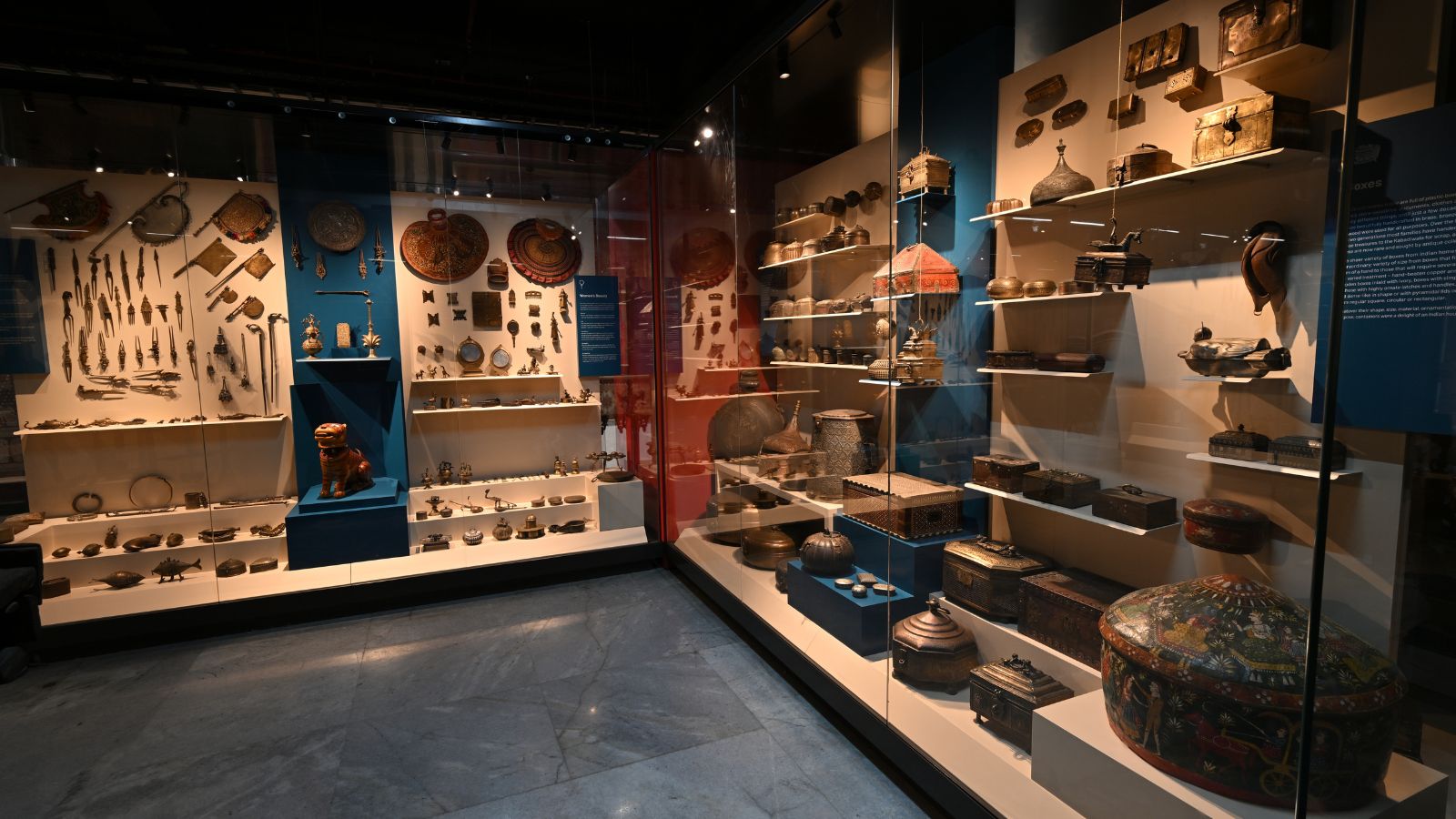
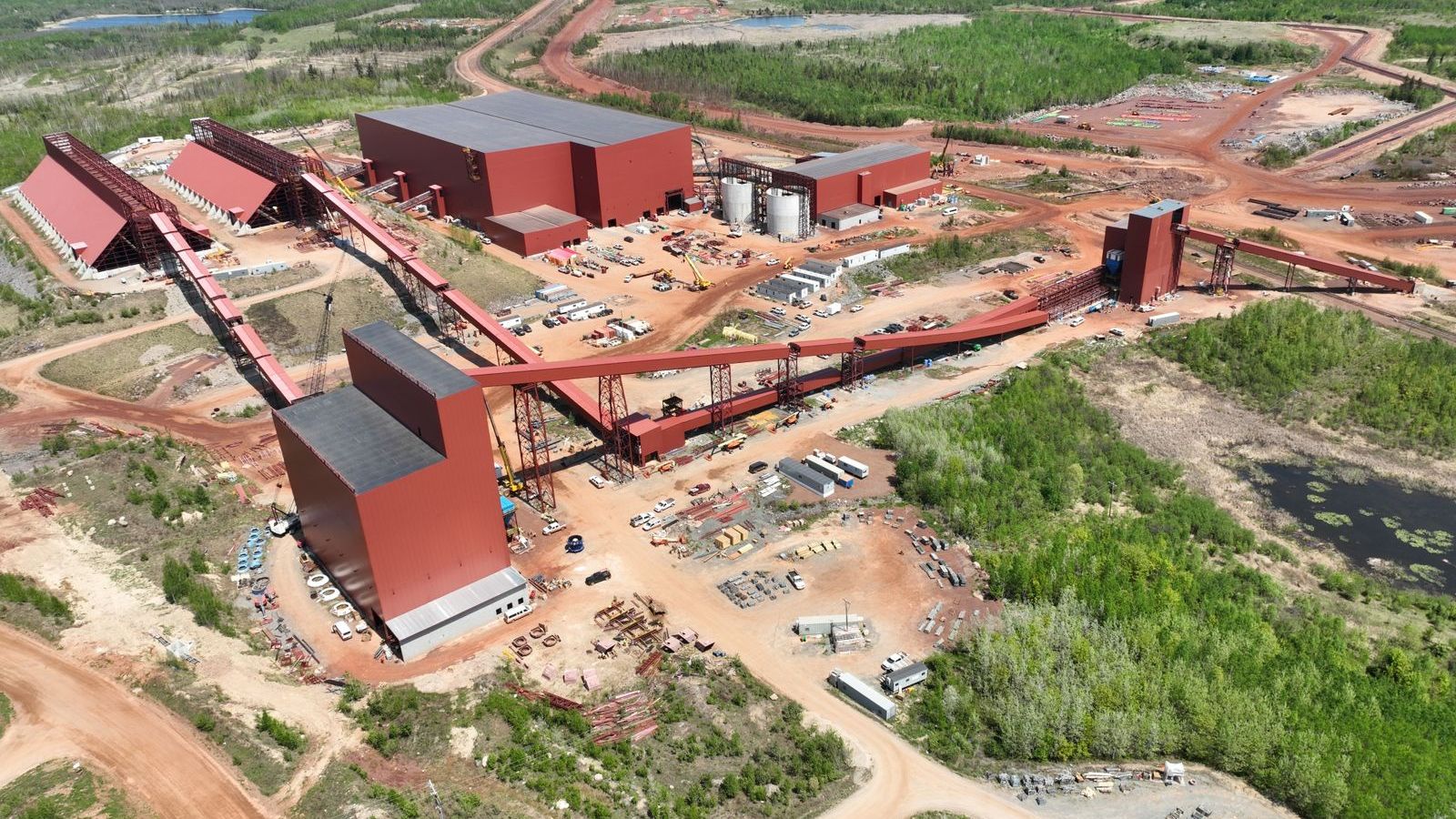
Visitors to Lothal will soon be able to walk through reconstructed Harappan streets, dockyards and marketplaces as part of the Rs 4,000-crore National Maritime Heritage Complex. Divya A reports how the project aims to bring the Indus Valley Civilisation to life through immersive exhibits while tracing 4,500 years of India’s maritime history.
As fresh US-Iran strikes threaten to unravel a fragile truce, the crisis is once again centred on the Strait of Hormuz. Shubhajit Roy explains what both sides have learnt from the conflict, why the waterway remains critical, and what renewed hostilities could mean for India.
25 years after the Agra Summit, Ajay Bisaria, who was private secretary to Prime Minister Atal Bihari Vajpayee and later became India’s High Commissioner to Pakistan, spoke to The Indian Express and shared his thoughts on lessons from the failed Summit and engaging with Pakistan in the current state of affairs.
India once dominated the global textile trade, but today it accounts for just 3% of apparel exports. Ashok Gulati and Sulakshana Rao argue that the country must build globally competitive ecosystems and strengthen institutions if it hopes to become a leading apparel exporter once again.
The RBI has kept interest rates unchanged and maintained a neutral stance, but its latest policy leaves key questions unanswered. Ishan Bakshi argues that the central bank needs to clearly explain how it balances rising inflation risks, slowing growth, the rupee’s trajectory, and the potential impact of US Fed decisions.
Harmony of the Pines, as the orchestra of the Himachal Pradesh Police is called, has come a long way since it started 30 years ago as a small group of seven members, to “alleviate stress faced by the police force”. Now, in one of the rare discordant notes to strike the band, its in-charge and virtually its face, Inspector Vijay Kumar, has gone to court over his suspension on July 13, on charges of making money by monetizing his personal social media account, without disclosing the same to the police department. Saurabh Parashar reports.
From irregular periods and infertility to insulin resistance, anxiety and heart health, PMOS is far more than an ovarian disorder. With studies suggesting nearly one in five Indian women may be affected, this report explains why diagnoses are rising, why India faces a higher burden than the global average, and what doctors say women need to know about managing the condition beyond weight loss.
From a broad-based youth mobilisation in Delhi and the contentious politics around protest to the Ken-Betwa river-linking project to the lessons of India’s 1991 foreign policy crisis, the story of a Santhali filmmaker taking Adivasi folklore to the National Film Awards, and why Tamil Nadu is emerging as India’s closest bet to China’s women-led electronics manufacturing model — here are today’s Premium reads.
The Cockroach Janta Party’s protest has grown beyond the party itself, drawing a diverse, largely young crowd to Jantar Mantar over exam reforms and the demand for Education Minister Dharmendra Pradhan’s resignation. As the mobilisation gathers momentum, it marks an unusual challenge for Prime Minister Narendra Modi — a broad-based protest that cuts across the specific interest groups that have dominated earlier agitations against his government.
As the CJP-led protest spills from social media to Delhi’s streets, the debate has shifted from who is leading it to why thousands are showing up. Swapnil Joglekar and Vaishnawi Sinha report on the students, parents and professionals behind the mobilisation — and ask why supporting a cause increasingly comes with a disclaimer.
After decades of uncertainty, the Ken-Betwa river linking project, which aims to irrigate the parched Bundelkhand region, is now racing to meet new deadlines. Anand Mohan J travels along the Ken to see how a Rs 44,605-crore engineering project is reshaping the river — and the lives along its banks.
Historical analogies must be approached with caution. Yet there is a striking symmetry between the foreign policy challenges that confronted India in 1990-91 and those now posed by the wars in Iran and Ukraine. C Raja Mohan examines the lessons Delhi must draw from that moment — and why domestic reform, not diplomacy alone, will determine how India navigates a more uncertain world.
Growing up with Santhali folktales in a Jharkhand village, filmmaker Ravi Raj Murmu wanted to bring Adivasi stories to the screen in their own language. His 12-minute short Angen, rooted in a Santhali folktale and the fading bond between Adivasi communities and nature, has now become the first Santhali film to win a National Film Award. This is the story of a filmmaker taking stories once passed down orally to India’s biggest cinematic stage.
Tamil Nadu is emerging as India’s closest contender to China’s women-led electronics manufacturing model, with nearly half of the country’s women workers in electronics manufacturing employed in the state. This report examines how factory jobs, worker hostels and rising wages are drawing women into the workforce — and why other states are struggling to replicate the Tamil Nadu model.
***
From the right to protest and the politics of dissent to the reopening of old cases in West Bengal, our Premium reads on July 21 examine the fault lines shaping India’s political and social landscape. Also read about an AI-linked triple murder investigation, PNB’s growth strategy, and Samsung’s bet on wider foldables as the smartphone market enters a new phase.
The police crackdown on the Cockroach Janta Party’s march to Parliament has brought the right to protest into focus. What does the Constitution say about peaceful assembly, what restrictions can the state impose, and where can protests be held? This explainer looks at the legal framework and key Supreme Court rulings on the right to protest.
Fifteen years apart, Anna Hazare and Sonam Wangchuk have used hunger strikes to challenge the government, but with vastly different outcomes. Anna’s anti-corruption movement in 2011 drew nationwide support, ultimately reshaping India’s political landscape. Wangchuk’s ongoing protest has struggled to attract similar attention from the Opposition, media, or civil society.
The contrast raises an important question: What is society thinking as a whole? Have we become a bunch of people who only judge success and failure based on elections? It is imperative to address these questions sooner rather than later, as the current silence may echo the silence of the lambs, Girish Kuber writes.
From the 2021 post-poll violence to the R G Kar rape-murder and the killing of a schoolgirl in a bomb blast, the BJP government in West Bengal is reopening cases it says were mishandled under the previous regime. Read Sweety Kumari’s report on how the move has sparked a political battle, with the Trinamool Congress alleging selective targeting and the government promising to pursue what it calls years of “cover-ups”.
For six months, a Bengaluru techie allegedly planned the murders of his live-in partner’s family, turning to an AI tool for answers on everything from killing and cleaning up blood to disposing of the bodies. Police say the case offers a glimpse into how technology, isolation and obsession came together in a crime that investigators are now trying to piece together.
PNB MD and CEO Ashok Chandra tells The Indian Express the bank is on track to mobilise $2.5 billion in FCNR(B) deposits, with industry-wide inflows expected to pick up in August and September. He also discusses credit growth, the bank’s push into renewable energy and gold loans, and why he does not expect AI to lead to job losses in banking.
As smartphone buyers hold on to their devices for longer, Samsung is betting on a new generation of wider foldables to revive demand and push consumers towards the ultra-premium end of the market. With Apple also expected to enter the foldable race, Anuj Bhatia writes on how the Galaxy maker’s next move could shape the future of the category.
***
A recreated Harappan city at Lothal, the renewed US-Iran confrontation over the Strait of Hormuz, and lessons from the Agra Summit 25 years on. Plus, why India needs to rethink its textile export strategy, what the RBI isn’t saying about inflation and growth, the suspension controversy around Himachal Police’s award-winning orchestra, and why PMOS is emerging as a major health concern for young women: Here are Premium reads from July 20.
Visitors to Lothal will soon be able to walk through reconstructed Harappan streets, dockyards and marketplaces as part of the Rs 4,000-crore National Maritime Heritage Complex. Divya A reports how the project aims to bring the Indus Valley Civilisation to life through immersive exhibits while tracing 4,500 years of India’s maritime history.
As fresh US-Iran strikes threaten to unravel a fragile truce, the crisis is once again centred on the Strait of Hormuz. Shubhajit Roy explains what both sides have learnt from the conflict, why the waterway remains critical, and what renewed hostilities could mean for India.
25 years after the Agra Summit, Ajay Bisaria, who was private secretary to Prime Minister Atal Bihari Vajpayee and later became India’s High Commissioner to Pakistan, spoke to The Indian Express and shared his thoughts on lessons from the failed Summit and engaging with Pakistan in the current state of affairs.
India once dominated the global textile trade, but today it accounts for just 3% of apparel exports. Ashok Gulati and Sulakshana Rao argue that the country must build globally competitive ecosystems and strengthen institutions if it hopes to become a leading apparel exporter once again.
The RBI has kept interest rates unchanged and maintained a neutral stance, but its latest policy leaves key questions unanswered. Ishan Bakshi argues that the central bank needs to clearly explain how it balances rising inflation risks, slowing growth, the rupee’s trajectory, and the potential impact of US Fed decisions.
Harmony of the Pines, as the orchestra of the Himachal Pradesh Police is called, has come a long way since it started 30 years ago as a small group of seven members, to “alleviate stress faced by the police force”. Now, in one of the rare discordant notes to strike the band, its in-charge and virtually its face, Inspector Vijay Kumar, has gone to court over his suspension on July 13, on charges of making money by monetizing his personal social media account, without disclosing the same to the police department. Saurabh Parashar reports.
From irregular periods and infertility to insulin resistance, anxiety and heart health, PMOS is far more than an ovarian disorder. With studies suggesting nearly one in five Indian women may be affected, this report explains why diagnoses are rising, why India faces a higher burden than the global average, and what doctors say women need to know about managing the condition beyond weight loss.