

‘Basavaraju killing was our collective failure… Sonu was a traitor’: Top Maoist Devuji, who surrendered last month, speaks out
With the central government announcing a deadline of March 31, 2026, to eradicate Naxalism, Devuji and several others surrendered last month.
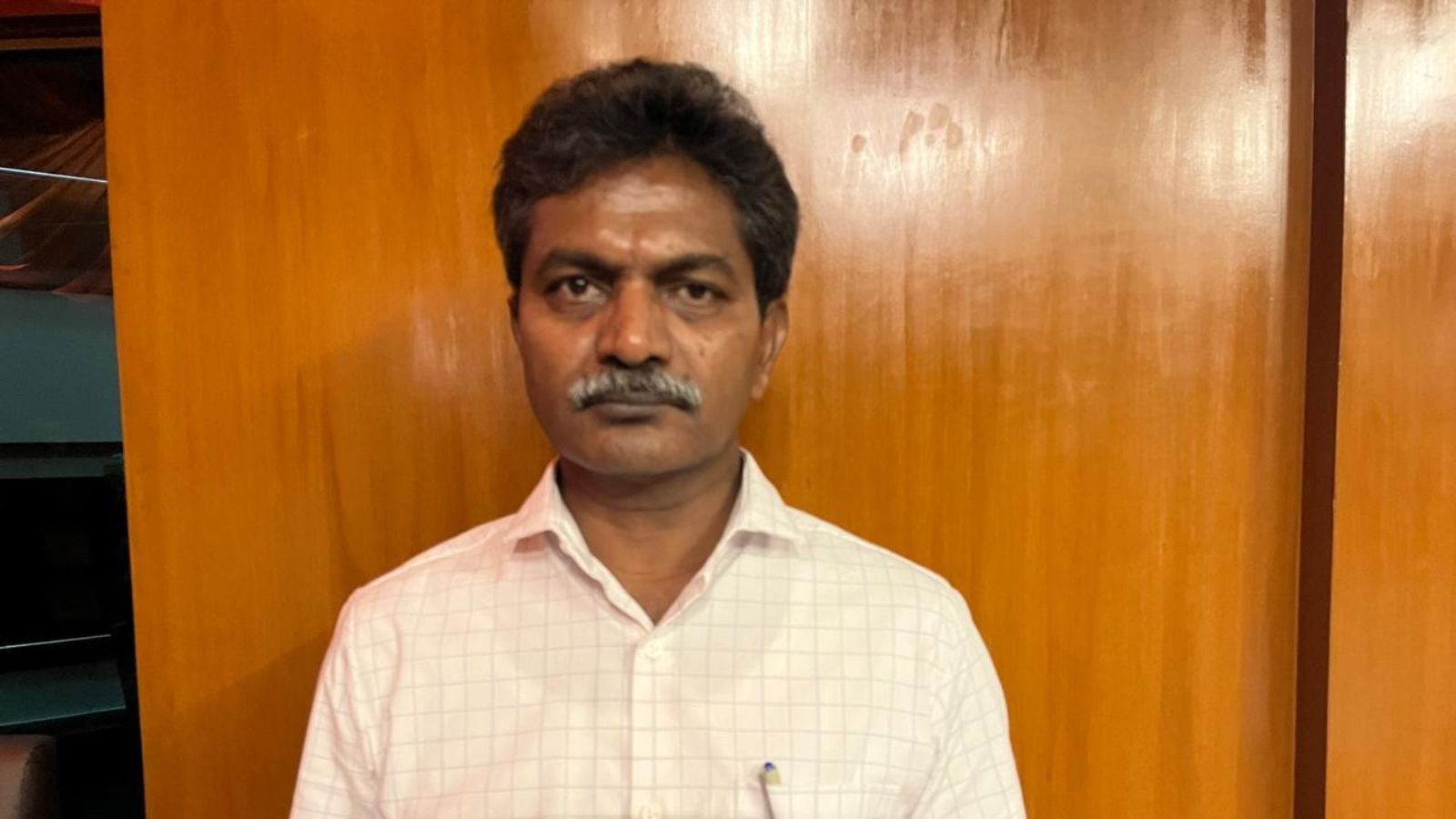
Thippiri Tirupathi alias Devuji was underground for 44 years, working as a Politburo and Central Committee member and head of the Central Military Commission of the banned Communist Party of India (Maoist). With the central government announcing a deadline of March 31, 2026, to eradicate Naxalism, Devuji and several others surrendered last month. Excerpts from an interview.
What made you join the Maoist movement or party?
From 1980 to 1984, I worked with the Revolutionary Students Movement (RSU), a frontal students’ organisation of the CPI(ML) People’s War. I used to campaign for change in society, which was under the influence of those who looted people. The system should be changed to give everyone an equal opportunity – I was attracted to this thought and this ideology. I joined the People’s War in 1984.
I used to wear weapons and roam around in villages to organise people against the existing exploitative system. I found it exhilarating to work for the people. We used to try various methods – through song and storytelling – to influence the people. It was an eventful life.
What pulled you into arms training? You were in the Central Military Commission, the armed wing of the Maoist party.
Arms were important to change the semi-feudal and semi-colonial state or society and build a new society. Those days, just like today, corporations and imperial forces ruled the roost in the country. We had to be armed against them because the state was armed against the poor, the marginalised.
When you take up arms, you have to be good at using them. For that, our seniors who trained in the Army helped us. Those who left the LTTE and came to us taught us to use arms in the 1980s and 1990s.
What was your relationship with former General Secretary of the Communist Party of India (Maoist) Nambala Keshava Rao alias Basavaraju? When he was killed in May 2025, what went through your mind?
Basavaraju was an excellent leader who used to listen and work with the cadre. I had a warm relationship with him and loved him dearly. When he passed, there was a vacuum as he was one of the most experienced leaders. Had he lived, we – the party – would have worked as a team.
You were the head of CMC when he was killed. Did you consider it a personal failure?
To a great extent, it was our collective failure. As CMC chief, I had thought a lot about how to protect him – should he be moved from the jungle or should he stay on was the question. We decided not to move him because, without the general secretary, we could not have functioned as one organ.
It was definitely my responsibility as CMC chief to protect him. Yes, the highest responsibility was mine, and I did self-criticism and told the cadre that we couldn’t save him.
What were Basavaraju’s thoughts on the armed struggle?
The party’s political line was a protracted people’s war and Basavaraju believed in it – that we could capture power in different parts and finally capture power across the country.
But as Operation Kagar started, we suffered loss after loss. So Basavaraju thought of peace talks with the Union government and state governments. His idea was that we needed some time – at least a month – to regroup and think about laying down arms. When that time was not given (by the Centre), he stayed with the party line and said that the party should resist according to its strength and that it should not give up arms. Guerrilla war should continue, he said.
When Basavaraju was killed, you and Mallojula Venugopal alias Sonu were the contenders for the general secretary post. Had the Central Committee met, would you have become the general secretary, or would he have been elevated?
Sonu was never a contender for the post of general secretary because he met Basavaraj when the latter was alive in 2024, and proposed that the armed struggle should stop. Basavaraj had told him off then and there and stuck to the party line of armed struggle. So, there was no question of Sonu becoming the general secretary, as he had lost confidence when Basavaraju was alive.
Some spoke about a temporary cessation of armed struggle to save the party. What are your views on it?
What Sonu had proposed was to demoralise the cadre – to temporarily stop the armed struggle meant surrendering arms which were obtained after many sacrifices. It was anti-party activity; it was to break the party from within. He formed an alliance with the central and state governments against the party. So he was a traitor.
Now that you have surrendered yourself, do you still think that he was a traitor?
Yes, even now I think that he is a traitor. I did not surrender; I was arrested. I could have been killed or jailed for years on end. Instead of choosing these two options, I chose a third option – to stay with the party, stay with the party line of Marxism, Leninism and Maoism and work within the legal framework of the country.
I chose the third option because the party is decimated and has to be built from the bottom. If you have to look at this from a moral perspective, yes, I should have gone to jail. But then what would become of the party? I chose to stay in the political line of the party.
How can you stay in this political line now that your surrender is recorded?
Till now, I was underground, and now I have surfaced to live my life within the same party line. Our demand now is to legalise the party. We will wind up armed operations if the party is legalised. What I mean is, the guerrilla armed tactics will not continue if they legalise the party. We will wind up the People’s Liberation Guerrilla Army (PLGA), the armed wing of the party, and remain within the legal framework. We want to work for political prisoners who are still in jail. We want to stand by those who were killed by armed forces.
Then what is the difference between Sonu’s cessation of armed struggle and your saying winding up of PLGA?
There is a difference. When Sonu surrendered, he broke the party. There was nothing left of the party after he surrendered all the weapons. When I was arrested, I said that I would stay with the party and not give up on the ideology. It was out of desperation that we are in this situation.
Do you think that the armed struggle has failed in India?
It is not an utter failure of the armed struggle. It is a temporary defeat that we have faced in India. Our leaders had already said that there will be ups and downs, advances and retreats, and wins and losses in the armed struggle.
Everyone is asking why the Maoist party, which was a formidable force, fell in India. You should remember that even when the US was a superpower, it lost in Vietnam. Alexander lost his battles. So, this is only a temporary loss for the party.
What we need to do is regroup, get the support of the people and move on. This is not a deceiving tactic. As we have temporarily lost this battle, we have decided to enter the legal framework and work with the people.
Even after losing badly, I am still a leader of the party. I will continue to lead the people of this party within the legal framework.
You wanted to meet CPI and other political parties. Are you thinking of adopting a parliamentary democracy?
No. To win in a parliamentary democracy, you need crores of rupees. Our strength is the people. We will remain with them.
You are a Dalit. Was there caste within the party and in the world outside?
There is no caste within the party. The party fought tooth and nail against patriarchy and casteism. In the world, there is caste, but we will fight it.
Stay updated with the latest - Click here to follow us on Instagram
Thippiri Tirupathi alias Devuji was underground for 44 years, working as a Politburo and Central Committee member and head of the Central Military Commission of the banned Communist Party of India (Maoist). With the central government announcing a deadline of March 31, 2026, to eradicate Naxalism, Devuji and several others surrendered last month. Excerpts from an interview.
What made you join the Maoist movement or party?
From 1980 to 1984, I worked with the Revolutionary Students Movement (RSU), a frontal students’ organisation of the CPI(ML) People’s War. I used to campaign for change in society, which was under the influence of those who looted people. The system should be changed to give everyone an equal opportunity – I was attracted to this thought and this ideology. I joined the People’s War in 1984.
I used to wear weapons and roam around in villages to organise people against the existing exploitative system. I found it exhilarating to work for the people. We used to try various methods – through song and storytelling – to influence the people. It was an eventful life.
What pulled you into arms training? You were in the Central Military Commission, the armed wing of the Maoist party.
Arms were important to change the semi-feudal and semi-colonial state or society and build a new society. Those days, just like today, corporations and imperial forces ruled the roost in the country. We had to be armed against them because the state was armed against the poor, the marginalised.
When you take up arms, you have to be good at using them. For that, our seniors who trained in the Army helped us. Those who left the LTTE and came to us taught us to use arms in the 1980s and 1990s.
What was your relationship with former General Secretary of the Communist Party of India (Maoist) Nambala Keshava Rao alias Basavaraju? When he was killed in May 2025, what went through your mind?
Basavaraju was an excellent leader who used to listen and work with the cadre. I had a warm relationship with him and loved him dearly. When he passed, there was a vacuum as he was one of the most experienced leaders. Had he lived, we – the party – would have worked as a team.
You were the head of CMC when he was killed. Did you consider it a personal failure?
To a great extent, it was our collective failure. As CMC chief, I had thought a lot about how to protect him – should he be moved from the jungle or should he stay on was the question. We decided not to move him because, without the general secretary, we could not have functioned as one organ.
It was definitely my responsibility as CMC chief to protect him. Yes, the highest responsibility was mine, and I did self-criticism and told the cadre that we couldn’t save him.
What were Basavaraju’s thoughts on the armed struggle?
The party’s political line was a protracted people’s war and Basavaraju believed in it – that we could capture power in different parts and finally capture power across the country.
But as Operation Kagar started, we suffered loss after loss. So Basavaraju thought of peace talks with the Union government and state governments. His idea was that we needed some time – at least a month – to regroup and think about laying down arms. When that time was not given (by the Centre), he stayed with the party line and said that the party should resist according to its strength and that it should not give up arms. Guerrilla war should continue, he said.
When Basavaraju was killed, you and Mallojula Venugopal alias Sonu were the contenders for the general secretary post. Had the Central Committee met, would you have become the general secretary, or would he have been elevated?
Sonu was never a contender for the post of general secretary because he met Basavaraj when the latter was alive in 2024, and proposed that the armed struggle should stop. Basavaraj had told him off then and there and stuck to the party line of armed struggle. So, there was no question of Sonu becoming the general secretary, as he had lost confidence when Basavaraju was alive.
Some spoke about a temporary cessation of armed struggle to save the party. What are your views on it?
What Sonu had proposed was to demoralise the cadre – to temporarily stop the armed struggle meant surrendering arms which were obtained after many sacrifices. It was anti-party activity; it was to break the party from within. He formed an alliance with the central and state governments against the party. So he was a traitor.
Now that you have surrendered yourself, do you still think that he was a traitor?
Yes, even now I think that he is a traitor. I did not surrender; I was arrested. I could have been killed or jailed for years on end. Instead of choosing these two options, I chose a third option – to stay with the party, stay with the party line of Marxism, Leninism and Maoism and work within the legal framework of the country.
I chose the third option because the party is decimated and has to be built from the bottom. If you have to look at this from a moral perspective, yes, I should have gone to jail. But then what would become of the party? I chose to stay in the political line of the party.
How can you stay in this political line now that your surrender is recorded?
Till now, I was underground, and now I have surfaced to live my life within the same party line. Our demand now is to legalise the party. We will wind up armed operations if the party is legalised. What I mean is, the guerrilla armed tactics will not continue if they legalise the party. We will wind up the People’s Liberation Guerrilla Army (PLGA), the armed wing of the party, and remain within the legal framework. We want to work for political prisoners who are still in jail. We want to stand by those who were killed by armed forces.
Then what is the difference between Sonu’s cessation of armed struggle and your saying winding up of PLGA?
There is a difference. When Sonu surrendered, he broke the party. There was nothing left of the party after he surrendered all the weapons. When I was arrested, I said that I would stay with the party and not give up on the ideology. It was out of desperation that we are in this situation.
Do you think that the armed struggle has failed in India?
It is not an utter failure of the armed struggle. It is a temporary defeat that we have faced in India. Our leaders had already said that there will be ups and downs, advances and retreats, and wins and losses in the armed struggle.
Everyone is asking why the Maoist party, which was a formidable force, fell in India. You should remember that even when the US was a superpower, it lost in Vietnam. Alexander lost his battles. So, this is only a temporary loss for the party.
What we need to do is regroup, get the support of the people and move on. This is not a deceiving tactic. As we have temporarily lost this battle, we have decided to enter the legal framework and work with the people.
Even after losing badly, I am still a leader of the party. I will continue to lead the people of this party within the legal framework.
You wanted to meet CPI and other political parties. Are you thinking of adopting a parliamentary democracy?
No. To win in a parliamentary democracy, you need crores of rupees. Our strength is the people. We will remain with them.
You are a Dalit. Was there caste within the party and in the world outside?
There is no caste within the party. The party fought tooth and nail against patriarchy and casteism. In the world, there is caste, but we will fight it.