

Ayushman Bharat in Bengal: BJP’s win ensures Rs 5 lakh health coverage for state’s poorest and elderly
West Bengal had initially adopted the Ayushman Bharat-Pradhan Mantri Jan Arogya Yojana, but Mamata Banerjee later opted out, accusing the Centre of taking sole credit for it.
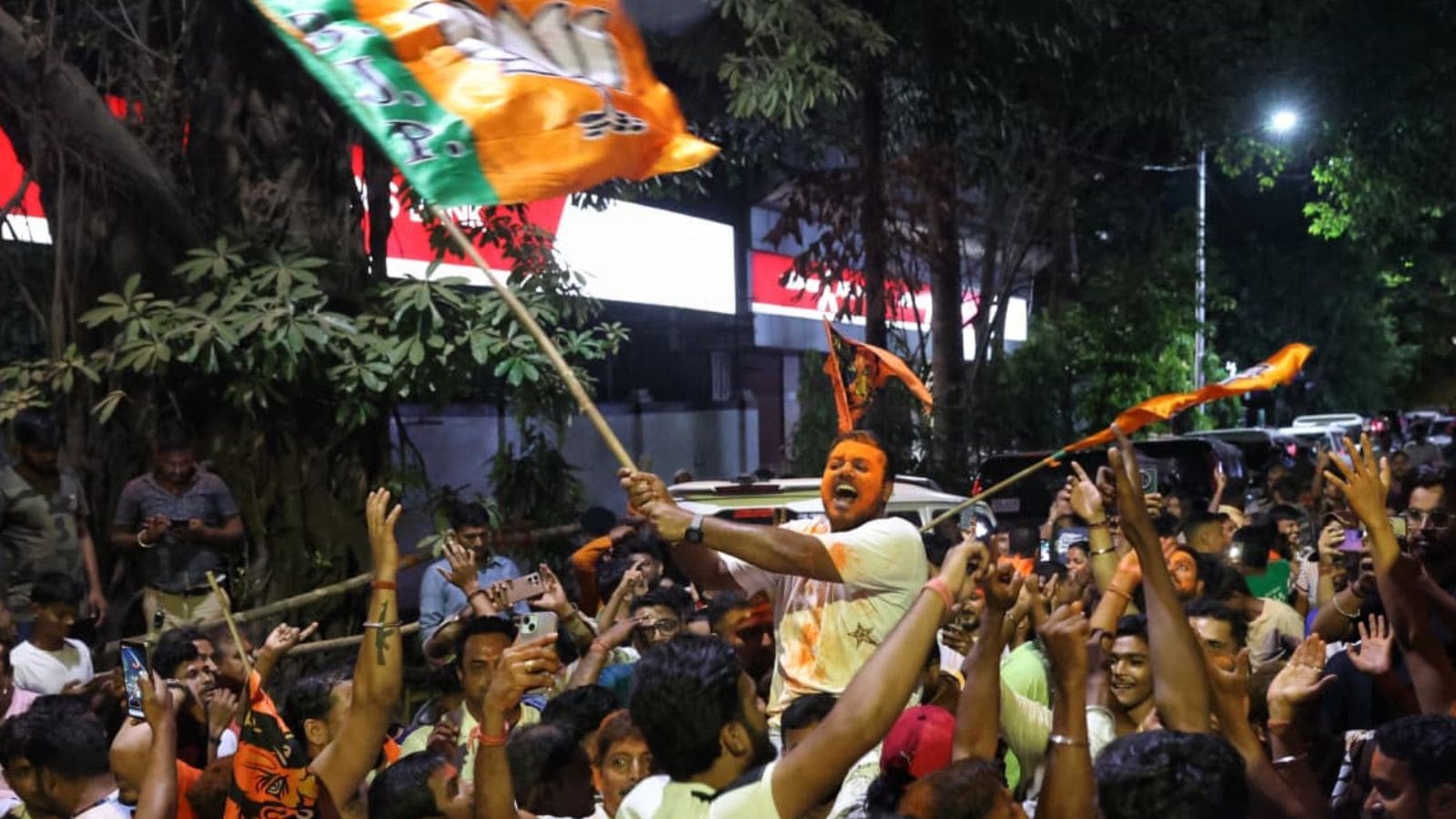
The BJP’s massive win in West Bengal will ensure that the last state to have stayed away from the Centre’s flagship health insurance scheme, the Ayushman Bharat-Pradhan Mantri Jan Arogya Yojana (AB-PMJAY), will also implement it, providing Rs 5 lakh coverage to the poorest families and elderly persons.
“Today, I want to assure every citizen that BJP will work day and night for a better future for Bengal…. In the first cabinet itself, Ayushman Bharat Yojna will be given a green light,” Prime Minister Narendra Modi said in a speech on Monday evening.
The scheme, which was launched in 2018, will cover over 1.24 crore of the poorest and 15.9 lakh elderly aged 70 and above in West Bengal. Another 3 lakh ASHA and Anganwadi workers will also receive coverage, according to data from the national health authority.
Importantly, the two other states that had refused to join the scheme until recently— Odisha and Delhi—were brought under its ambit similarly after the BJP won the Assembly elections against the Biju Janata Dal in 2024 and the Aam Aadmi Party in 2025, respectively.
While West Bengal was one of the states that had initially adopted the AB-PMJAY, it dropped out in 2019, stating that the Modi-led government was taking credit while the state had to foot at least 40 per cent of the cost. Instead, the Mamata Banerjee-led state government continued with its own Swasthya Sathi scheme that also provided Rs 5 lakh cover per family per annum.
The AB-PMJAY has since been modified to allow co-branding, and several states now run the scheme, integrating their own health programmes. For example, Maharashtra runs PM-JAY-Mahatma Jyotirao Phule Jan Arogya Yojna, and Uttarakhand has a PM-JAY Atal Ayushman Uttarakhand Yojna.
While this was initially one of the contentions of the AAP government in Delhi as well, it later also added that its own scheme was better as it covered all the citizens instead of just the poorest ones. The Delhi Arogya Kosh scheme of the AAP government offered free diagnostics, free surgeries, free dialysis, and free treatment to victims of road accidents, fires, and acid attacks without any upper cost limit. Yet, its beneficiaries were lower than those of Ayushman Bharat.
States can also add beneficiaries other than the ones identified by the Centre. For the additional beneficiaries, the state has to bear the cost of the entire premium, but the families receive Rs 5 lakh coverage and can use hospitals in the Ayushman Bharat network, including those outside the state. According to National Health Authority (NHA) data, almost 8.6 crore additional beneficiaries have been added to the scheme by different states in this manner.
After the 2024 general elections, the Centre rolled out Ayushman Bharat coverage for those 70 years and above. This expanded scheme provides Rs 5 lakh coverage to all the elderly in 4.5 crore families—for poor families already covered by the scheme, an additional Rs 5 lakh coverage would be provided for the elderly alone.
In October 2024, PM Modi apologised to the elderly from Delhi and West Bengal, where the scheme had not yet been implemented. “I apologise to the elderly over the age of 70 years from Delhi and West Bengal that I will not be able to serve you. I apologise because I will come to know that you are suffering — I will get the information — but I will not be able to help you. And, the reason is the government in Delhi and West Bengal are not joining the Ayushman Bharat scheme…. I am prevented from serving the elderly of Delhi and West Bengal because of politics — the Delhi that I am speaking from. I am pained,” he had said.
Odisha had just started implementing the scheme after its own state elections. To date, Odisha has identified 3.4 crore beneficiaries and Delhi 7.63 lakh. Odisha has already seen hospitalisations worth R 0.16 crore, according to data from the NHA.
Across the country, since 2018, there have been 10.6 crore hospital admissions, amounting to a cost of R1.48 lakh crores.
Stay updated with the latest - Click here to follow us on Instagram
The BJP’s massive win in West Bengal will ensure that the last state to have stayed away from the Centre’s flagship health insurance scheme, the Ayushman Bharat-Pradhan Mantri Jan Arogya Yojana (AB-PMJAY), will also implement it, providing Rs 5 lakh coverage to the poorest families and elderly persons.
“Today, I want to assure every citizen that BJP will work day and night for a better future for Bengal…. In the first cabinet itself, Ayushman Bharat Yojna will be given a green light,” Prime Minister Narendra Modi said in a speech on Monday evening.
The scheme, which was launched in 2018, will cover over 1.24 crore of the poorest and 15.9 lakh elderly aged 70 and above in West Bengal. Another 3 lakh ASHA and Anganwadi workers will also receive coverage, according to data from the national health authority.
Importantly, the two other states that had refused to join the scheme until recently— Odisha and Delhi—were brought under its ambit similarly after the BJP won the Assembly elections against the Biju Janata Dal in 2024 and the Aam Aadmi Party in 2025, respectively.
While West Bengal was one of the states that had initially adopted the AB-PMJAY, it dropped out in 2019, stating that the Modi-led government was taking credit while the state had to foot at least 40 per cent of the cost. Instead, the Mamata Banerjee-led state government continued with its own Swasthya Sathi scheme that also provided Rs 5 lakh cover per family per annum.
The AB-PMJAY has since been modified to allow co-branding, and several states now run the scheme, integrating their own health programmes. For example, Maharashtra runs PM-JAY-Mahatma Jyotirao Phule Jan Arogya Yojna, and Uttarakhand has a PM-JAY Atal Ayushman Uttarakhand Yojna.
While this was initially one of the contentions of the AAP government in Delhi as well, it later also added that its own scheme was better as it covered all the citizens instead of just the poorest ones. The Delhi Arogya Kosh scheme of the AAP government offered free diagnostics, free surgeries, free dialysis, and free treatment to victims of road accidents, fires, and acid attacks without any upper cost limit. Yet, its beneficiaries were lower than those of Ayushman Bharat.
States can also add beneficiaries other than the ones identified by the Centre. For the additional beneficiaries, the state has to bear the cost of the entire premium, but the families receive Rs 5 lakh coverage and can use hospitals in the Ayushman Bharat network, including those outside the state. According to National Health Authority (NHA) data, almost 8.6 crore additional beneficiaries have been added to the scheme by different states in this manner.
After the 2024 general elections, the Centre rolled out Ayushman Bharat coverage for those 70 years and above. This expanded scheme provides Rs 5 lakh coverage to all the elderly in 4.5 crore families—for poor families already covered by the scheme, an additional Rs 5 lakh coverage would be provided for the elderly alone.
In October 2024, PM Modi apologised to the elderly from Delhi and West Bengal, where the scheme had not yet been implemented. “I apologise to the elderly over the age of 70 years from Delhi and West Bengal that I will not be able to serve you. I apologise because I will come to know that you are suffering — I will get the information — but I will not be able to help you. And, the reason is the government in Delhi and West Bengal are not joining the Ayushman Bharat scheme…. I am prevented from serving the elderly of Delhi and West Bengal because of politics — the Delhi that I am speaking from. I am pained,” he had said.
Odisha had just started implementing the scheme after its own state elections. To date, Odisha has identified 3.4 crore beneficiaries and Delhi 7.63 lakh. Odisha has already seen hospitalisations worth R 0.16 crore, according to data from the NHA.
Across the country, since 2018, there have been 10.6 crore hospital admissions, amounting to a cost of R1.48 lakh crores.