

Dropped out of school at 15, skipped college: How this young woman went from Saharanpur to Silicon Valley
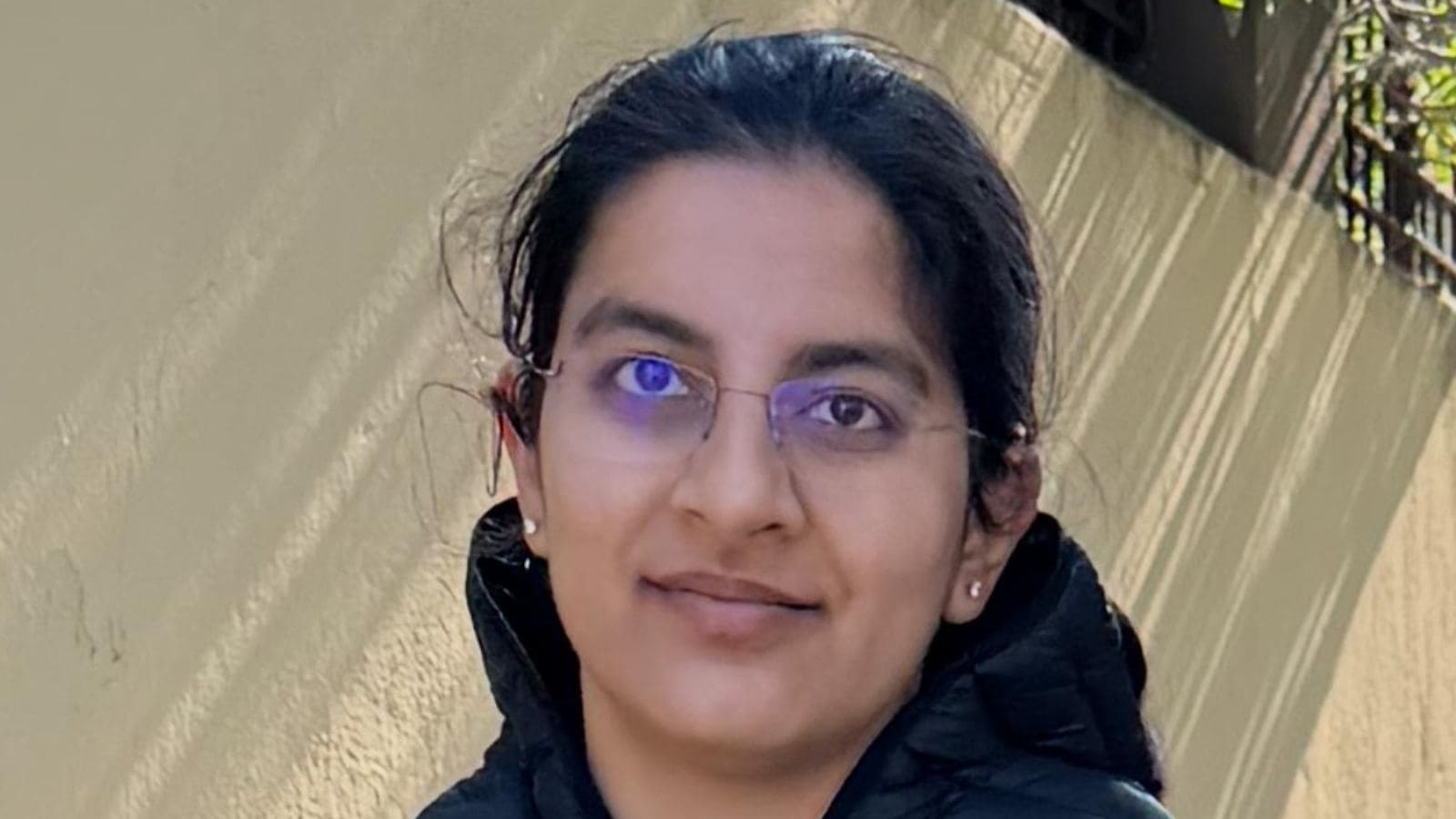
Harshita Arora’s journey to San Francisco is not your typical story of an Indian making it big in tech. There were no exams to crack, no fancy college degrees, or a carefully charted plan. At 24 years, she’s now Y Combinator’s General Partners.
It was 2016. In Saharanpur, a small city in Western Uttar Pradesh, known for its sheesham woodwork and paper mills, an unusual American dream unfolded quietly behind a closed bedroom door.
Inside, 15-year-old Harshita Arora was glued to her laptop. She had stopped going to school. She had refused to attend family functions, go on trips, and even turned down visits to her grandparents.
Years later, what she created inside her room, spending hours and hours behind a screen, would lead her to Silicon Valley.
Harshita, now 24, is among the youngest General Partners at Y Combinator, the storied startup accelerator that has backed some of the world’s most influential technology companies.
Indians making it big in tech — like Sundar Pichai of Google or Satya Nadella of Microsoft — are numerous, going on to become household tales for aspiring parents dreaming the American dream for their children. Harshita’s journey, though, didn’t follow any of the familiar routes — school, college degrees, predictable milestones. This is her unique story.
Harshita was born to Ravinder Singh Arora, who works in property investment, and Jasvinder Kaur Arora, a homemaker, in 2002. She is their only child.
“Our daughter was a simple (child) and a very good student. Always first in the class,” Ravinder says. “Her teachers were very happy with her performance. When she was in primary school, a teacher told her mother that this child will do something different.”
The shift happened in 2016, when Harshita was in Class 9 at Pinewood School in Saharanpur. “She said she didn’t want to go to school anymore,” her father recalls. “She told us she didn’t want to study. She said she was interested in computers.”
The family says she initially complained of discomfort, dizziness during assembly, unease in classrooms, which soon turned into flat out refusal.
“We were very tense,” Jasvindar recalls. “It was a very strange situation.” Ravinder remembers how unsettled he was. “… a 15-year-old child had said she doesn’t want to go to school anymore. Anybody would have been shocked.”
They negotiated with her: finish Class 10, try a few more months, reduce subjects. She refused. “I don’t want to study SST, Hindi, Sanskrit,” she told them.
Eventually, her parents relented. “I didn’t have any option,” her father remembers. “She didn’t listen.”
Looking back, Harshita says that moment was not rebellion but rejection. “A lot of what happens in Indian schools is rote memorisation. It felt pointless to me.”
The family tried to make arrangements to home-school her but failed. “She wouldn’t want to step out of her room. She would literally lock herself inside,” Ravinder remembers. “We could do nothing. She was adamant”.
In her early teens, Harshita discovered programming. A Computer Science teacher introduced her to tools like Scratch and MIT App Inventor — and she was hooked. “I started programming when I was 13,” she recalls. “I also read essays by Paul Graham, whose writing on startups and building companies appealed to my creative spirit”. She also watched The Social Network, the popular biopic on how Facebook was founded. “It changed what I wanted in life,” Harshita remembers. “I decided I was going to be a founder.”
Soon, Harshita came up with another plan. “She told us she has been accepted for a programme in Bangalore and she needs to attend the course,” Ravinder recalls. “We decided to let her go”.
For the next few months in 2016, she attended a one-month training programme at Salesforce in Bengaluru, gaining exposure to enterprise software environments and developer ecosystems.
Then in 2017, she was selected for LaunchX, a highly selective entrepreneurship programme hosted at the Massachusetts Institute of Technology. “They select only around 70 students,” her father says. “The fee was very high, but she received financial support and we paid only about $1,000.”
She was in the US for several weeks on a visitor’s visa, working on startup ideas with peers from around the world. For the first time, she was in an environment that mirrored the world she had been building for herself online.
When she returned to India in August of that year, the tension at home remained. “We still didn’t understand what she would do next,” her father says. “There was no fixed path”.
Ravinder says that the family was extremely worried about her situation. “My life was very simple,” he says. “My father is an advocate, who practices tax law, my brother is also a lawyer and I do property investments. We are a traditional middle class family and we have had a very straightforward life.”
Over the next six months, Harshita again withdrew into her room and into a life that operated on a different clock. “I didn’t go out. I was just coding, reading, learning,” she says. “It was extremely YOLO. My father kept asking for a plan and I said, ‘I don’t have one. I’ll figure it out’.”
Then, in February 2018, Ravinder says Harshita asked him to check the next day’s newspaper. “She said there was something about her in it.”
Until then, he had little idea what she had been doing.
Then he saw it — she had built an app, a cryptocurrency portfolio tracker. It was live on Apple’s app store as a paid product, ranking among the top apps in its category.
“I was shocked,” he says.
Harshita remembers his shock vividly: “He said what I made in years, you made in months. His mind was blown.” The app was eventually acquired.
The same year, she received the ‘Woman of the year’ award at the CryptoChicks Hackathon Conference in Toronto, Canada. She had also applied for the O-1 visa to the US, granted to individuals with “extraordinary ability” in fields like technology, science, or business — and was issued one.
In 2019, Harshita began working on what would become AtoB, a fintech and logistics startup she co-founded, which focused on fuel cards and payments for the trucking industry.
The early days, though, were uncertain. “We had no startup idea,” she says. “We were just like, ‘what are we going to do’?”
For six months, she and her two other co-founders brainstormed. Eventually, they found traction in trucking payments and building financial infrastructure for fleets. The company scaled rapidly, serving tens of thousands of customers and reaching a valuation of around $800 million.
In 2020, she received the Bal Puraskar from Prime Minister Narendra Modi for her work on the cryptocurrency app; she came back to India to receive the award.
Then, 2021 brought a new high — AtoB was accepted into Y Combinator for funding.
“There’s no turning point,” she says. “It’s just a mindset. You decide not to give up.”
From Saharanpur, her father watched this transformation from a distance. “Half the things she says, I don’t understand,” he admits. “But she kept moving forward. I feel God showed her the way.”
The distance was also physical. “After 2020, we met her again in 2024,” he says. And he noticed what had been lost along the way. “I remember how she used to curl up on my lap, when she was very small,” he says. “For me, she is still a child. I couldn’t see her childhood. I miss that the most about my daughter. But I am very proud of her.”
Her mother says, “We don’t talk every day. Only on weekends.”
Jasvinder still remembers evenings spent making snacks for her daughter. “She would have her lunch at 3.30 pm. And then by 5.30, she would say she’s hungry again. I would say, ‘You just ate!’ But I would still make macaroni, sandwiches, fries, cutlets… I miss those evenings a lot.”
Does Harshita miss home? Her mother says no. “She is very passionate about her work.”
March 2025 marked another milestone in Harshita’s career — she joined Y Combinator as a visiting partner. Then, on April 6 this year, she was promoted to General Partner.
“You start as a visiting partner,” she says. “If you do well, you get promoted.”
Her role now involves identifying and backing early-stage founders, her work days stretching till past midnight. “There’s just a lot to do.” Outside work, there is little else. “I read about AI, and experiment with tools. I’m not really a hobbies-person,” she says.
Her advice to young people? “The world is changing very fast,” she says. “If you’re young and ambitious, you need to stay at the cutting edge. Otherwise, you’ll become obsolete.”
Yet, she does not universalise her own path and advocates going to college.
“For me, skipping college worked. But most founders meet their co-founders in college. It gives you time to explore. I had to recreate that, living in hacker houses, studying on my own. It’s hard. Most people should go to college. Very few can skip it entirely,” she says. “I didn’t have a plan. I just knew I would figure it out.”
Stay updated with the latest - Click here to follow us on Instagram
It was 2016. In Saharanpur, a small city in Western Uttar Pradesh, known for its sheesham woodwork and paper mills, an unusual American dream unfolded quietly behind a closed bedroom door.
Inside, 15-year-old Harshita Arora was glued to her laptop. She had stopped going to school. She had refused to attend family functions, go on trips, and even turned down visits to her grandparents.
Years later, what she created inside her room, spending hours and hours behind a screen, would lead her to Silicon Valley.
Harshita, now 24, is among the youngest General Partners at Y Combinator, the storied startup accelerator that has backed some of the world’s most influential technology companies.
Indians making it big in tech — like Sundar Pichai of Google or Satya Nadella of Microsoft — are numerous, going on to become household tales for aspiring parents dreaming the American dream for their children. Harshita’s journey, though, didn’t follow any of the familiar routes — school, college degrees, predictable milestones. This is her unique story.
Harshita was born to Ravinder Singh Arora, who works in property investment, and Jasvinder Kaur Arora, a homemaker, in 2002. She is their only child.
“Our daughter was a simple (child) and a very good student. Always first in the class,” Ravinder says. “Her teachers were very happy with her performance. When she was in primary school, a teacher told her mother that this child will do something different.”
The shift happened in 2016, when Harshita was in Class 9 at Pinewood School in Saharanpur. “She said she didn’t want to go to school anymore,” her father recalls. “She told us she didn’t want to study. She said she was interested in computers.”
The family says she initially complained of discomfort, dizziness during assembly, unease in classrooms, which soon turned into flat out refusal.
“We were very tense,” Jasvindar recalls. “It was a very strange situation.” Ravinder remembers how unsettled he was. “… a 15-year-old child had said she doesn’t want to go to school anymore. Anybody would have been shocked.”
They negotiated with her: finish Class 10, try a few more months, reduce subjects. She refused. “I don’t want to study SST, Hindi, Sanskrit,” she told them.
Eventually, her parents relented. “I didn’t have any option,” her father remembers. “She didn’t listen.”
Looking back, Harshita says that moment was not rebellion but rejection. “A lot of what happens in Indian schools is rote memorisation. It felt pointless to me.”
The family tried to make arrangements to home-school her but failed. “She wouldn’t want to step out of her room. She would literally lock herself inside,” Ravinder remembers. “We could do nothing. She was adamant”.
In her early teens, Harshita discovered programming. A Computer Science teacher introduced her to tools like Scratch and MIT App Inventor — and she was hooked. “I started programming when I was 13,” she recalls. “I also read essays by Paul Graham, whose writing on startups and building companies appealed to my creative spirit”. She also watched The Social Network, the popular biopic on how Facebook was founded. “It changed what I wanted in life,” Harshita remembers. “I decided I was going to be a founder.”
Soon, Harshita came up with another plan. “She told us she has been accepted for a programme in Bangalore and she needs to attend the course,” Ravinder recalls. “We decided to let her go”.
For the next few months in 2016, she attended a one-month training programme at Salesforce in Bengaluru, gaining exposure to enterprise software environments and developer ecosystems.
Then in 2017, she was selected for LaunchX, a highly selective entrepreneurship programme hosted at the Massachusetts Institute of Technology. “They select only around 70 students,” her father says. “The fee was very high, but she received financial support and we paid only about $1,000.”
She was in the US for several weeks on a visitor’s visa, working on startup ideas with peers from around the world. For the first time, she was in an environment that mirrored the world she had been building for herself online.
When she returned to India in August of that year, the tension at home remained. “We still didn’t understand what she would do next,” her father says. “There was no fixed path”.
Ravinder says that the family was extremely worried about her situation. “My life was very simple,” he says. “My father is an advocate, who practices tax law, my brother is also a lawyer and I do property investments. We are a traditional middle class family and we have had a very straightforward life.”
Over the next six months, Harshita again withdrew into her room and into a life that operated on a different clock. “I didn’t go out. I was just coding, reading, learning,” she says. “It was extremely YOLO. My father kept asking for a plan and I said, ‘I don’t have one. I’ll figure it out’.”
Then, in February 2018, Ravinder says Harshita asked him to check the next day’s newspaper. “She said there was something about her in it.”
Until then, he had little idea what she had been doing.
Then he saw it — she had built an app, a cryptocurrency portfolio tracker. It was live on Apple’s app store as a paid product, ranking among the top apps in its category.
“I was shocked,” he says.
Harshita remembers his shock vividly: “He said what I made in years, you made in months. His mind was blown.” The app was eventually acquired.
The same year, she received the ‘Woman of the year’ award at the CryptoChicks Hackathon Conference in Toronto, Canada. She had also applied for the O-1 visa to the US, granted to individuals with “extraordinary ability” in fields like technology, science, or business — and was issued one.
In 2019, Harshita began working on what would become AtoB, a fintech and logistics startup she co-founded, which focused on fuel cards and payments for the trucking industry.
The early days, though, were uncertain. “We had no startup idea,” she says. “We were just like, ‘what are we going to do’?”
For six months, she and her two other co-founders brainstormed. Eventually, they found traction in trucking payments and building financial infrastructure for fleets. The company scaled rapidly, serving tens of thousands of customers and reaching a valuation of around $800 million.
In 2020, she received the Bal Puraskar from Prime Minister Narendra Modi for her work on the cryptocurrency app; she came back to India to receive the award.
Then, 2021 brought a new high — AtoB was accepted into Y Combinator for funding.
“There’s no turning point,” she says. “It’s just a mindset. You decide not to give up.”
From Saharanpur, her father watched this transformation from a distance. “Half the things she says, I don’t understand,” he admits. “But she kept moving forward. I feel God showed her the way.”
The distance was also physical. “After 2020, we met her again in 2024,” he says. And he noticed what had been lost along the way. “I remember how she used to curl up on my lap, when she was very small,” he says. “For me, she is still a child. I couldn’t see her childhood. I miss that the most about my daughter. But I am very proud of her.”
Her mother says, “We don’t talk every day. Only on weekends.”
Jasvinder still remembers evenings spent making snacks for her daughter. “She would have her lunch at 3.30 pm. And then by 5.30, she would say she’s hungry again. I would say, ‘You just ate!’ But I would still make macaroni, sandwiches, fries, cutlets… I miss those evenings a lot.”
Does Harshita miss home? Her mother says no. “She is very passionate about her work.”
March 2025 marked another milestone in Harshita’s career — she joined Y Combinator as a visiting partner. Then, on April 6 this year, she was promoted to General Partner.
“You start as a visiting partner,” she says. “If you do well, you get promoted.”
Her role now involves identifying and backing early-stage founders, her work days stretching till past midnight. “There’s just a lot to do.” Outside work, there is little else. “I read about AI, and experiment with tools. I’m not really a hobbies-person,” she says.
Her advice to young people? “The world is changing very fast,” she says. “If you’re young and ambitious, you need to stay at the cutting edge. Otherwise, you’ll become obsolete.”
Yet, she does not universalise her own path and advocates going to college.
“For me, skipping college worked. But most founders meet their co-founders in college. It gives you time to explore. I had to recreate that, living in hacker houses, studying on my own. It’s hard. Most people should go to college. Very few can skip it entirely,” she says. “I didn’t have a plan. I just knew I would figure it out.”