




38-year-old struggled to lose weight despite diet, exercise: Why drinking water is a simple fix
A bariatric surgeon explains how proper hydration can control appetite, support fat metabolism and improve workout performance
Written by Dr Vijay S Pandey
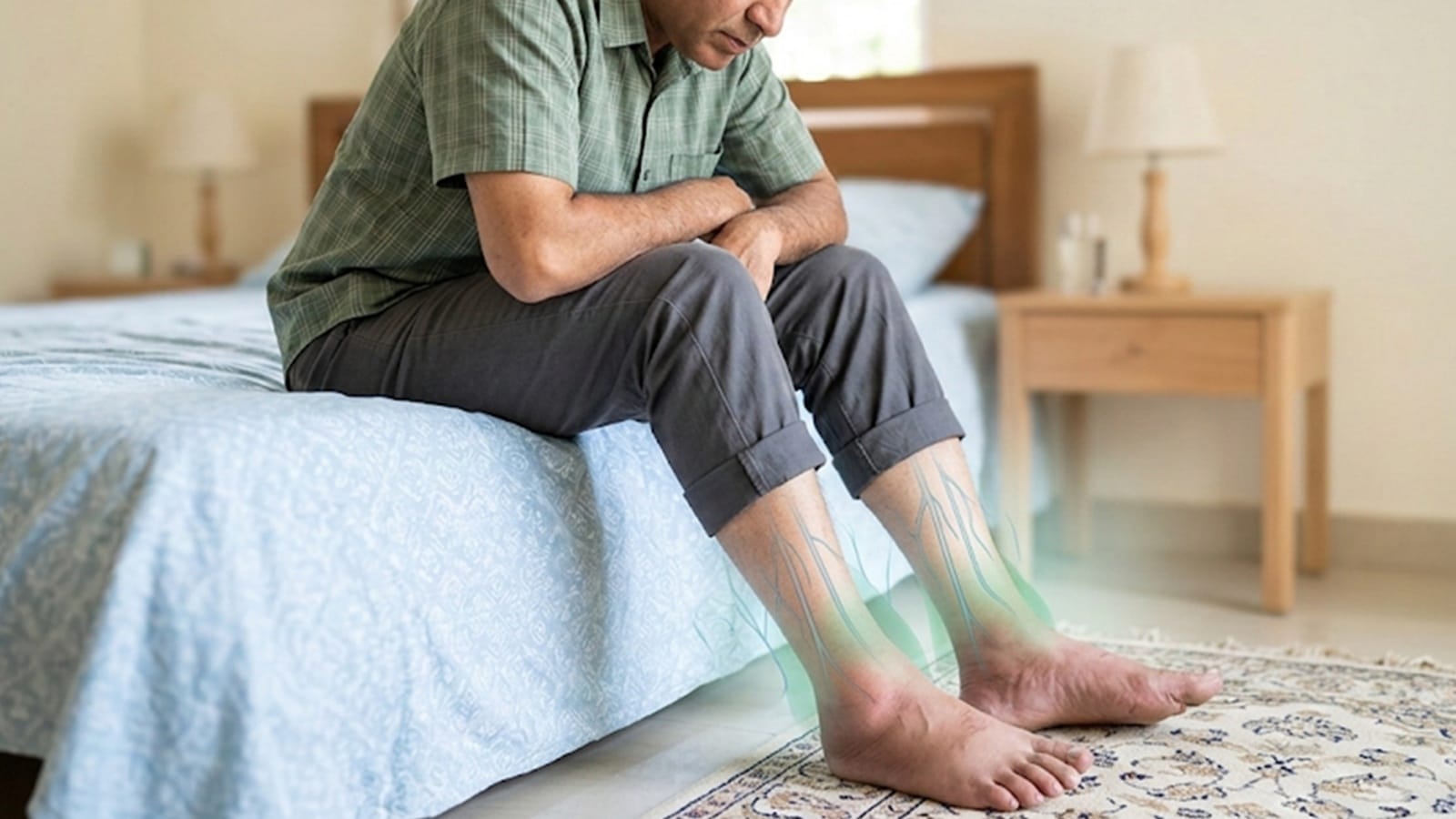
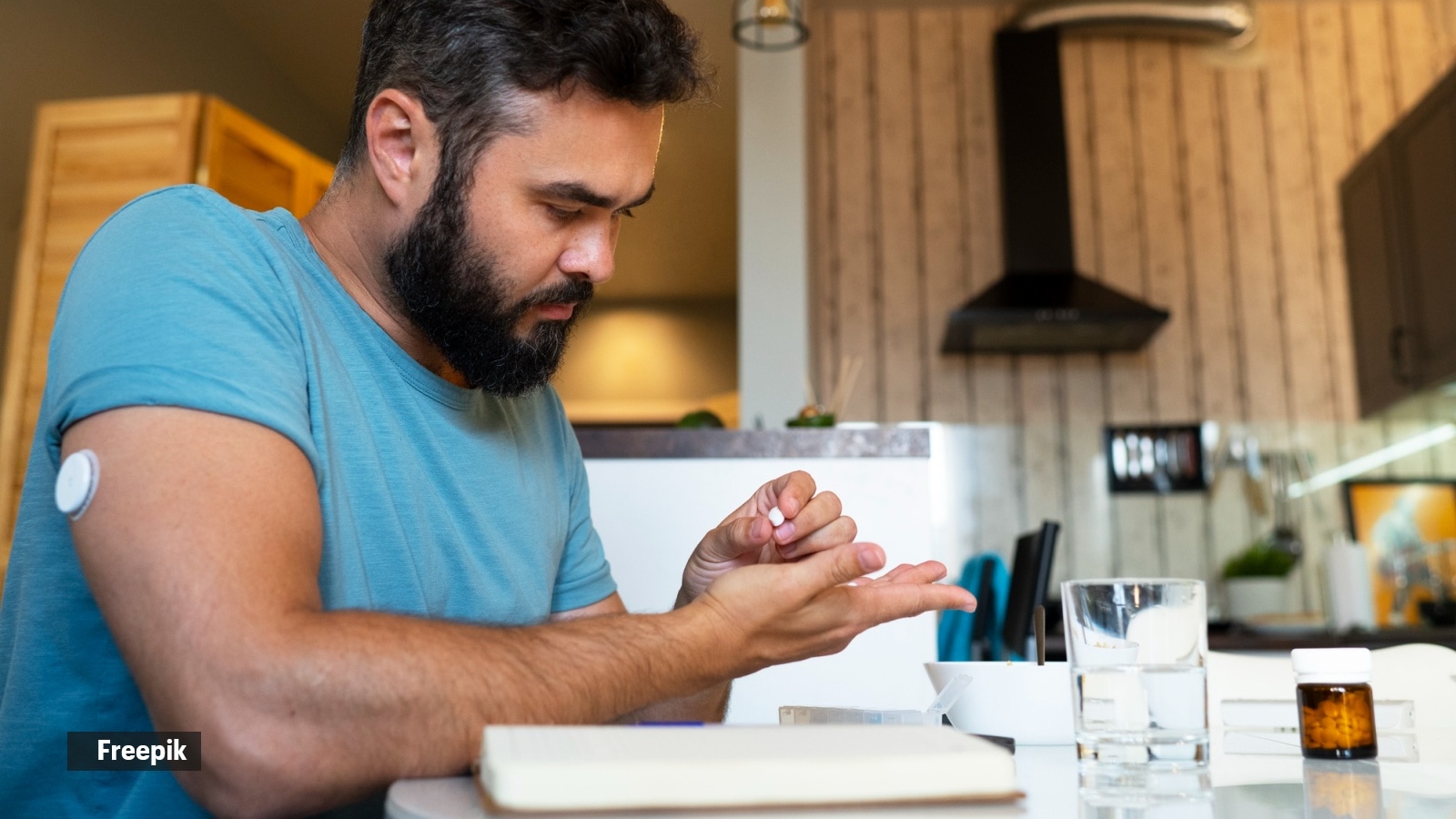
A 38-year-old office professional visited our clinic after months of trying to lose weight without much success. He had started exercising regularly and was making efforts to improve his diet, yet the weighing scale refused to move after the initial few weeks. Frustrated, he wondered what he was doing wrong.
During a detailed consultation, we reviewed his daily routine, including his eating habits, physical activity and hydration. That is when we discovered something surprising — he was drinking less than one litre of water a day, while consuming multiple cups of coffee and occasionally sugary beverages.
We advised him to gradually increase his water intake to about 2–2.5 litres a day, reduce sweetened drinks and develop the habit of drinking a glass of water before meals. Over the next six weeks, he noticed several changes. His constant urge to snack reduced, his digestion improved and he felt more energetic during workouts. Most importantly, his weight loss resumed at a steady pace.
While hydration was not the only factor in his weight loss journey, it played a crucial supporting role in helping his body function more efficiently and in keeping his appetite under control.
When people think about weight loss, they usually focus on diet and exercise. However, hydration is an equally important but often overlooked factor. Water helps digest food, transport nutrients, regulate body temperature and support metabolic processes. When the body does not receive enough water, these processes can slow down, affecting how efficiently calories are burnt and how the body uses stored fat.
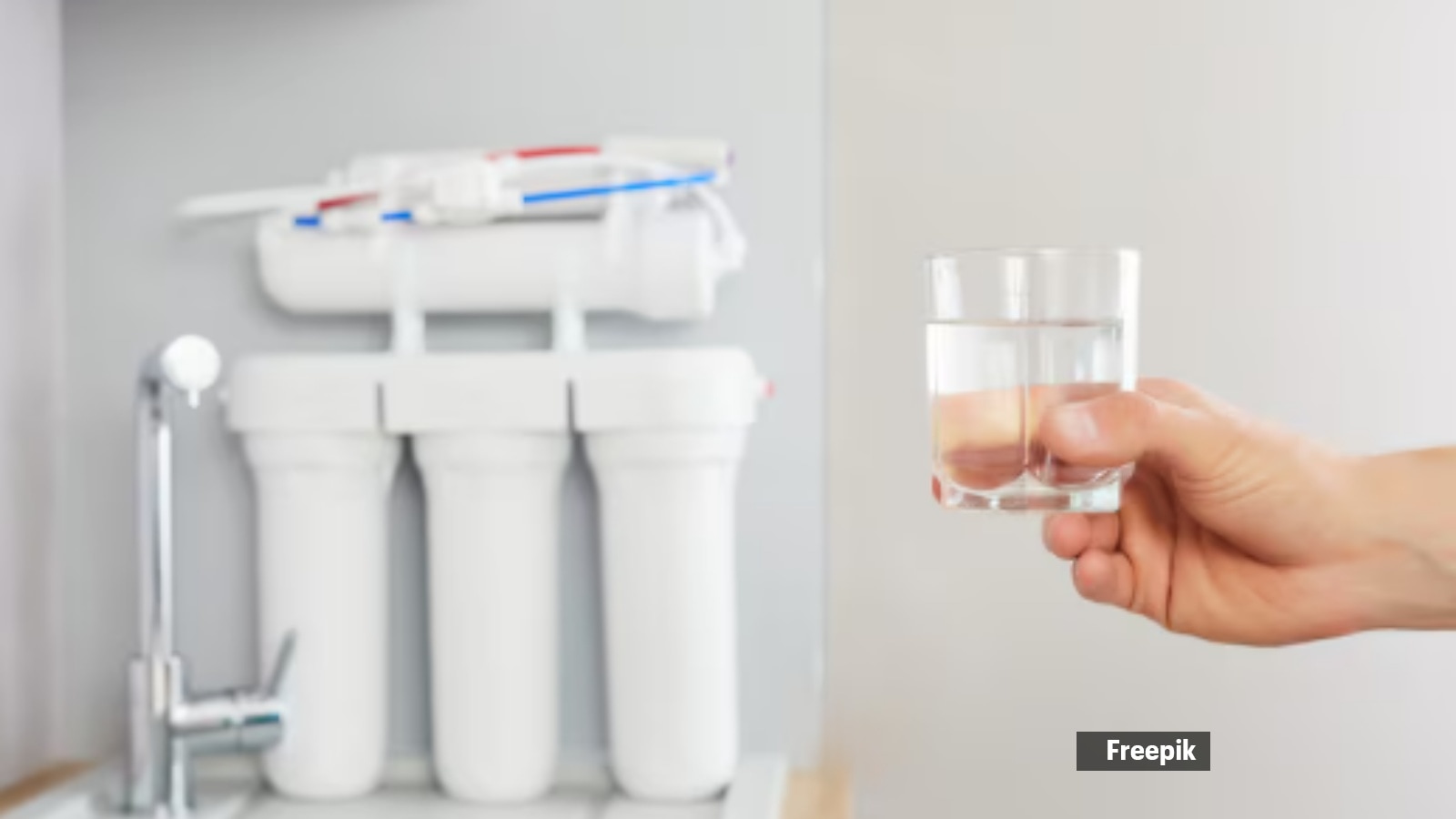
Hydration also plays a key role in controlling hunger. Many people mistake thirst for hunger, which can lead to unnecessary snacking or overeating. Drinking water before meals can help create a feeling of fullness, making it easier to control portion sizes. For individuals trying to lose weight, this simple habit can reduce daily calorie intake without requiring major dietary changes.
Water helps break down food in the stomach and intestines and allows nutrients to be absorbed efficiently. Adequate hydration also keeps the digestive system functioning smoothly and helps prevent issues such as bloating, sluggish digestion and constipation. It impacts lipolysis, the process through which the body breaks down stored fat to produce energy. While drinking water alone does not directly cause fat loss, dehydration can slow down this metabolic process.
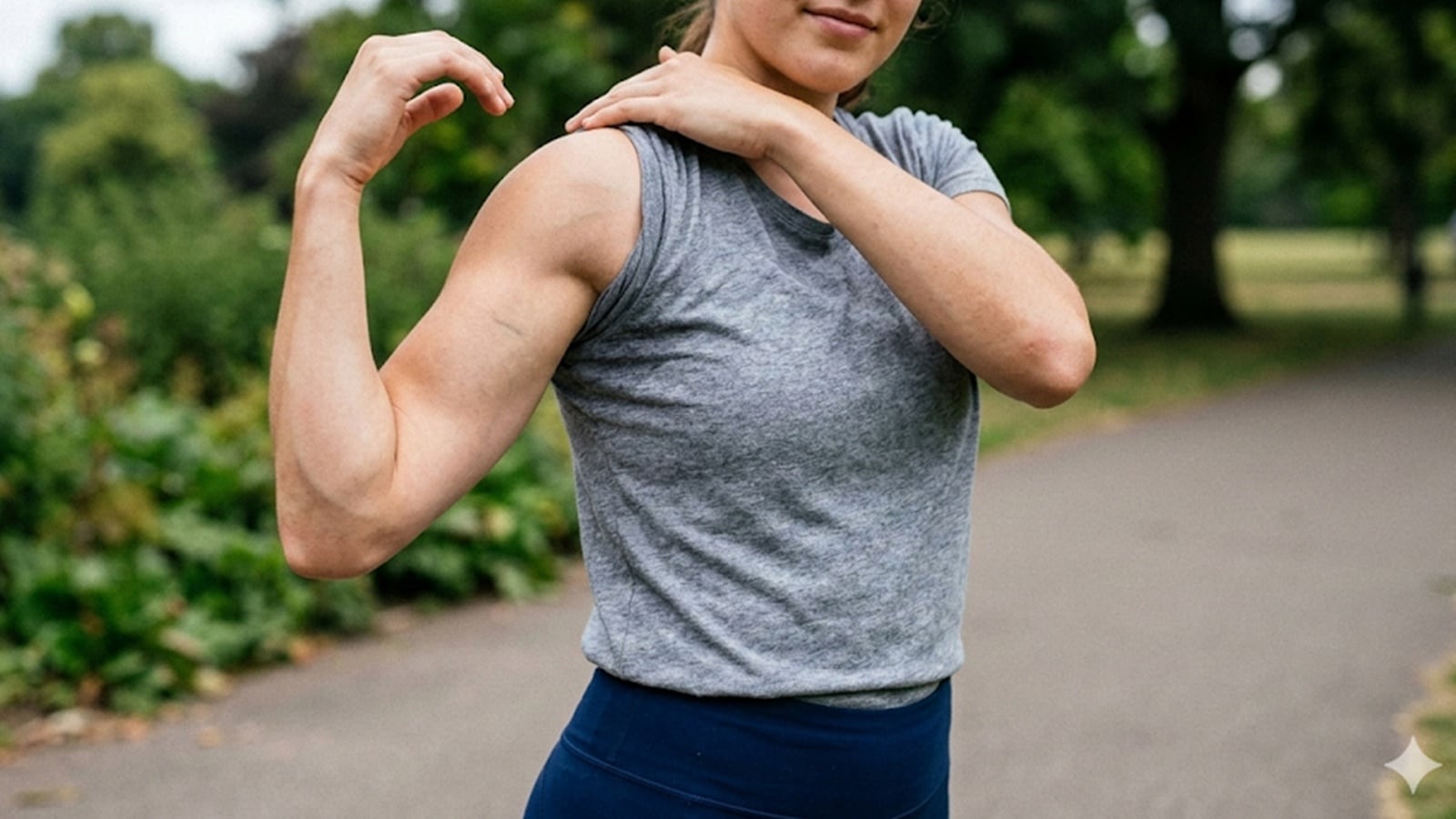
Dehydration can lead to fatigue, muscle cramps and reduced endurance during workouts. Drinking water, especially cold water, may temporarily raise the resting energy expenditure, as the body burns calories to heat the water to body temperature.
Drinking adequate water helps maintain energy levels, improves muscle performance and supports recovery after physical activity.
Another practical step is to reduce the intake of sugary beverages and artificially sweetened drinks. These drinks can add unnecessary calories to the diet and sometimes increase cravings. Choosing water, infused water or unsweetened herbal tea instead can significantly reduce daily calorie intake and support healthier habits.
Simple changes can help people stay hydrated throughout the day. Starting the morning with a glass of water, drinking water between meals and increasing fluid intake during physical activity are effective strategies. In addition, eating foods that contain a high amount of water — such as fruits, vegetables and soups — can also contribute to daily hydration.
(The author is Director, Minimal Access, Robotic and Bariatric Surgery, Max Super Speciality Hospital, Vaishali)
Written by Dr Vijay S Pandey
A 38-year-old office professional visited our clinic after months of trying to lose weight without much success. He had started exercising regularly and was making efforts to improve his diet, yet the weighing scale refused to move after the initial few weeks. Frustrated, he wondered what he was doing wrong.
During a detailed consultation, we reviewed his daily routine, including his eating habits, physical activity and hydration. That is when we discovered something surprising — he was drinking less than one litre of water a day, while consuming multiple cups of coffee and occasionally sugary beverages.
We advised him to gradually increase his water intake to about 2–2.5 litres a day, reduce sweetened drinks and develop the habit of drinking a glass of water before meals. Over the next six weeks, he noticed several changes. His constant urge to snack reduced, his digestion improved and he felt more energetic during workouts. Most importantly, his weight loss resumed at a steady pace.
While hydration was not the only factor in his weight loss journey, it played a crucial supporting role in helping his body function more efficiently and in keeping his appetite under control.
When people think about weight loss, they usually focus on diet and exercise. However, hydration is an equally important but often overlooked factor. Water helps digest food, transport nutrients, regulate body temperature and support metabolic processes. When the body does not receive enough water, these processes can slow down, affecting how efficiently calories are burnt and how the body uses stored fat.
Hydration also plays a key role in controlling hunger. Many people mistake thirst for hunger, which can lead to unnecessary snacking or overeating. Drinking water before meals can help create a feeling of fullness, making it easier to control portion sizes. For individuals trying to lose weight, this simple habit can reduce daily calorie intake without requiring major dietary changes.
Water helps break down food in the stomach and intestines and allows nutrients to be absorbed efficiently. Adequate hydration also keeps the digestive system functioning smoothly and helps prevent issues such as bloating, sluggish digestion and constipation. It impacts lipolysis, the process through which the body breaks down stored fat to produce energy. While drinking water alone does not directly cause fat loss, dehydration can slow down this metabolic process.
Dehydration can lead to fatigue, muscle cramps and reduced endurance during workouts. Drinking water, especially cold water, may temporarily raise the resting energy expenditure, as the body burns calories to heat the water to body temperature.
Drinking adequate water helps maintain energy levels, improves muscle performance and supports recovery after physical activity.
Another practical step is to reduce the intake of sugary beverages and artificially sweetened drinks. These drinks can add unnecessary calories to the diet and sometimes increase cravings. Choosing water, infused water or unsweetened herbal tea instead can significantly reduce daily calorie intake and support healthier habits.
Simple changes can help people stay hydrated throughout the day. Starting the morning with a glass of water, drinking water between meals and increasing fluid intake during physical activity are effective strategies. In addition, eating foods that contain a high amount of water — such as fruits, vegetables and soups — can also contribute to daily hydration.
(The author is Director, Minimal Access, Robotic and Bariatric Surgery, Max Super Speciality Hospital, Vaishali)