
US blockade: India says monitoring developments, calls for ‘unimpeded freedom of navigation’ through Hormuz
Free and unimpeded flow of maritime traffic through the Strait of Hormuz is critical for India.
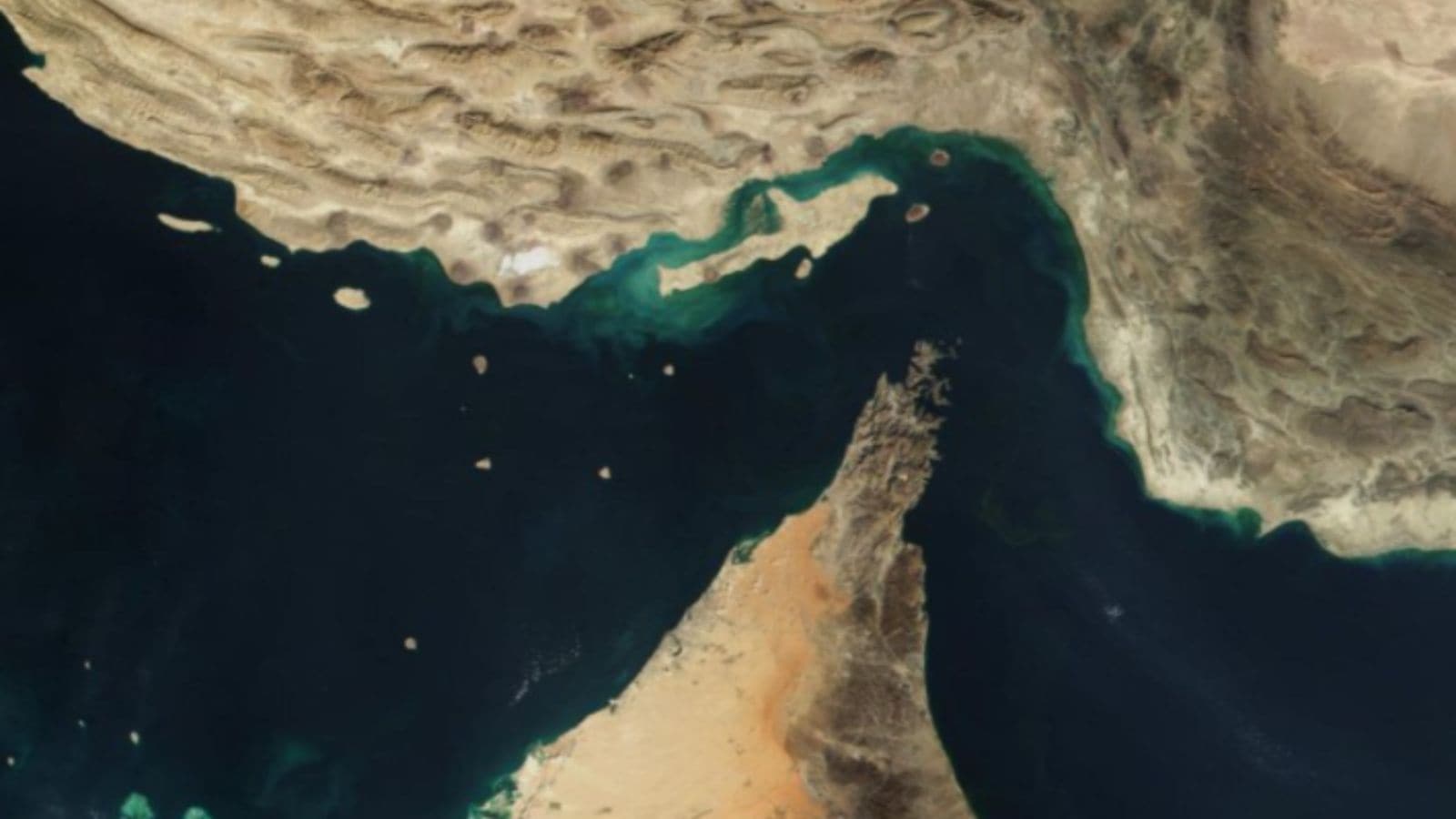
Following the announcement from the US that its forces will start blockading Iranian ports around the Strait of Hormuz from Monday, India again advocated “unimpeded freedom of navigation and global flow of commerce” through the critical maritime chokepoint, through which about a fifth of global oil and liquefied natural gas (LNG) usually transit. Vessel movements through the narrow waterway between Iran and Oman, which connects the Persian Gulf with the Arabian Sea, have effectively been halted due to the West Asia war; India has consistently pressed for free and safe navigation through the Strait.
“We are closely following the developments in the West Asia region. As we have continuously advocated earlier, de-escalation dialogue, and diplomacy are essential to bring an early end to the ongoing conflict. We expect that unimpeded freedom of navigation and global flow of commerce would prevail through the Strait of Hormuz,” Foreign Ministry Spokesperson Randhir Jaiswal said at the government’s inter-ministerial media briefing on the West Asia crisis.
After the failed Islamabad peace talks between the US and Iran over the weekend, Washington said it will commence a blockade of Iranian ports from 10:00 ET (8:30 pm India time) on Monday. Initially, US President Donald Trump had posted on Truth Social that the US Navy will “blockade any and all ships” attempting to enter or leave the Strait. The US Central Command (CENTCOM) later clarified that it will not impede vessels transiting the Strait to or from countries other than Iran. Oil prices climbed to over $100 per barrel over these fresh uncertainties and resurgent tensions pertaining to the Strait of Hormuz.
“The blockade will be enforced impartially against vessels of all nations entering or departing Iranian ports and coastal areas, including all Iranian ports on the Arabian Gulf and Gulf of Oman. CENTCOM forces will not impede freedom of navigation for vessels transiting the Strait of Hormuz to and from non-Iranian ports,” the US CENTCOM said in a statement.
“Additional information will be provided to commercial mariners through a formal notice prior to the start of the blockade. All mariners are advised to monitor Notice to Mariners broadcasts and contact U.S. naval forces on bridge-to-bridge channel 16 when operating in the Gulf of Oman and Strait of Hormuz approaches,” it added.
Throughout the war, which began on February 28, India has maintained that vessel movements through the Strait should be free and safe. Last week, when there was growing speculation that a toll system might be formalised by Iran and the US, under which Tehran would charge a toll or a transit fee from merchant vessels, India had stressed the need to have free and safe navigation through the Strait. There have been reports that Iran was already charging a “toll” from some vessels before allowing them to cross the Strait. The Indian government has categorically denied the payment of any toll or charge to the Iranians for the passage of India-flagged ships through the waterway.
Free and unimpeded flow of maritime traffic through the Strait of Hormuz is critical for India. The country depends on imports to meet over 88% of its crude oil needs, 40% of which depend on the Strait of Hormuz. As for natural gas, India’s import dependency is about 50%, and 55-60% of India’s LNG imports come via the Strait. In the case of liquefied petroleum gas (LPG), India’s reliance on imports is 60%, and a whopping 90% of those come through the critical waterway.
Before the war, around 150 vessels a day crossed the Strait of Hormuz on average; the number for the entire month of March was about 150 vessels, as per estimates. Nearly all the vessels that have crossed the Strait since early March have done so with Tehran’s nod, with reports indicating that some had to pay tolls or transit fees to safely cross the chokepoint. Iran has been saying that any vessel looking to cross the Strait should do it in coordination with the country’s armed forces.
There are questions on how exactly this US blockade will be enforced, and its efficacy. For instance, how would the US Navy be able to ascertain which vessels paid a toll to Iran? Will US forces use weapon systems to target merchant vessels or board them to take control of the ships? How will countries—to whom these vessels belong or where they may be headed with cargo—react, particularly China that buys a lot of Iranian oil? So far, the US has not provided any significant details on most of these counts.
According to some experts, whether or not the Americans achieve their objective with this blockade will hinge on how effective they are in keeping the blockade limited to Iran, while facilitating maritime traffic movement to and from non-Iranian ports in the region. Other key factors include whether Iran will respond by targeting foreign-flagged merchant vessels stranded in the region, and the risk of Yemen-based Houthi rebels targeting the Red Sea shipping route. How trade flows evolve hereon will also depend on whether ship-owners and maritime insurers would be willing to take the risk of ignoring Iran’s warnings and depending on the American blockade.
The medium-term impact of the American blockade on oil and gas prices remains to be seen. If the Iranian oil supply goes off the market due the blockade, while much of the non-Iranian Gulf oil flows also remain largely suspended through the Strait of Hormuz, global oil availability would tighten further, which could lead to higher prices. But if the Iranian flows stop but oil from other West Asian countries starts flowing more freely due to this selective blockade, supply tightness as well as prices would ease.
Following the announcement from the US that its forces will start blockading Iranian ports around the Strait of Hormuz from Monday, India again advocated “unimpeded freedom of navigation and global flow of commerce” through the critical maritime chokepoint, through which about a fifth of global oil and liquefied natural gas (LNG) usually transit. Vessel movements through the narrow waterway between Iran and Oman, which connects the Persian Gulf with the Arabian Sea, have effectively been halted due to the West Asia war; India has consistently pressed for free and safe navigation through the Strait.
“We are closely following the developments in the West Asia region. As we have continuously advocated earlier, de-escalation dialogue, and diplomacy are essential to bring an early end to the ongoing conflict. We expect that unimpeded freedom of navigation and global flow of commerce would prevail through the Strait of Hormuz,” Foreign Ministry Spokesperson Randhir Jaiswal said at the government’s inter-ministerial media briefing on the West Asia crisis.
After the failed Islamabad peace talks between the US and Iran over the weekend, Washington said it will commence a blockade of Iranian ports from 10:00 ET (8:30 pm India time) on Monday. Initially, US President Donald Trump had posted on Truth Social that the US Navy will “blockade any and all ships” attempting to enter or leave the Strait. The US Central Command (CENTCOM) later clarified that it will not impede vessels transiting the Strait to or from countries other than Iran. Oil prices climbed to over $100 per barrel over these fresh uncertainties and resurgent tensions pertaining to the Strait of Hormuz.
“The blockade will be enforced impartially against vessels of all nations entering or departing Iranian ports and coastal areas, including all Iranian ports on the Arabian Gulf and Gulf of Oman. CENTCOM forces will not impede freedom of navigation for vessels transiting the Strait of Hormuz to and from non-Iranian ports,” the US CENTCOM said in a statement.
“Additional information will be provided to commercial mariners through a formal notice prior to the start of the blockade. All mariners are advised to monitor Notice to Mariners broadcasts and contact U.S. naval forces on bridge-to-bridge channel 16 when operating in the Gulf of Oman and Strait of Hormuz approaches,” it added.
Throughout the war, which began on February 28, India has maintained that vessel movements through the Strait should be free and safe. Last week, when there was growing speculation that a toll system might be formalised by Iran and the US, under which Tehran would charge a toll or a transit fee from merchant vessels, India had stressed the need to have free and safe navigation through the Strait. There have been reports that Iran was already charging a “toll” from some vessels before allowing them to cross the Strait. The Indian government has categorically denied the payment of any toll or charge to the Iranians for the passage of India-flagged ships through the waterway.
Free and unimpeded flow of maritime traffic through the Strait of Hormuz is critical for India. The country depends on imports to meet over 88% of its crude oil needs, 40% of which depend on the Strait of Hormuz. As for natural gas, India’s import dependency is about 50%, and 55-60% of India’s LNG imports come via the Strait. In the case of liquefied petroleum gas (LPG), India’s reliance on imports is 60%, and a whopping 90% of those come through the critical waterway.
Before the war, around 150 vessels a day crossed the Strait of Hormuz on average; the number for the entire month of March was about 150 vessels, as per estimates. Nearly all the vessels that have crossed the Strait since early March have done so with Tehran’s nod, with reports indicating that some had to pay tolls or transit fees to safely cross the chokepoint. Iran has been saying that any vessel looking to cross the Strait should do it in coordination with the country’s armed forces.
There are questions on how exactly this US blockade will be enforced, and its efficacy. For instance, how would the US Navy be able to ascertain which vessels paid a toll to Iran? Will US forces use weapon systems to target merchant vessels or board them to take control of the ships? How will countries—to whom these vessels belong or where they may be headed with cargo—react, particularly China that buys a lot of Iranian oil? So far, the US has not provided any significant details on most of these counts.
According to some experts, whether or not the Americans achieve their objective with this blockade will hinge on how effective they are in keeping the blockade limited to Iran, while facilitating maritime traffic movement to and from non-Iranian ports in the region. Other key factors include whether Iran will respond by targeting foreign-flagged merchant vessels stranded in the region, and the risk of Yemen-based Houthi rebels targeting the Red Sea shipping route. How trade flows evolve hereon will also depend on whether ship-owners and maritime insurers would be willing to take the risk of ignoring Iran’s warnings and depending on the American blockade.
The medium-term impact of the American blockade on oil and gas prices remains to be seen. If the Iranian oil supply goes off the market due the blockade, while much of the non-Iranian Gulf oil flows also remain largely suspended through the Strait of Hormuz, global oil availability would tighten further, which could lead to higher prices. But if the Iranian flows stop but oil from other West Asian countries starts flowing more freely due to this selective blockade, supply tightness as well as prices would ease.