

Markets open in red; Rupee slips to 95.35 against US dollar
Rupee falls to 95.35 against the dollar as oil prices surge amid Middle East tensions and investors brace for possible US rate hikes.
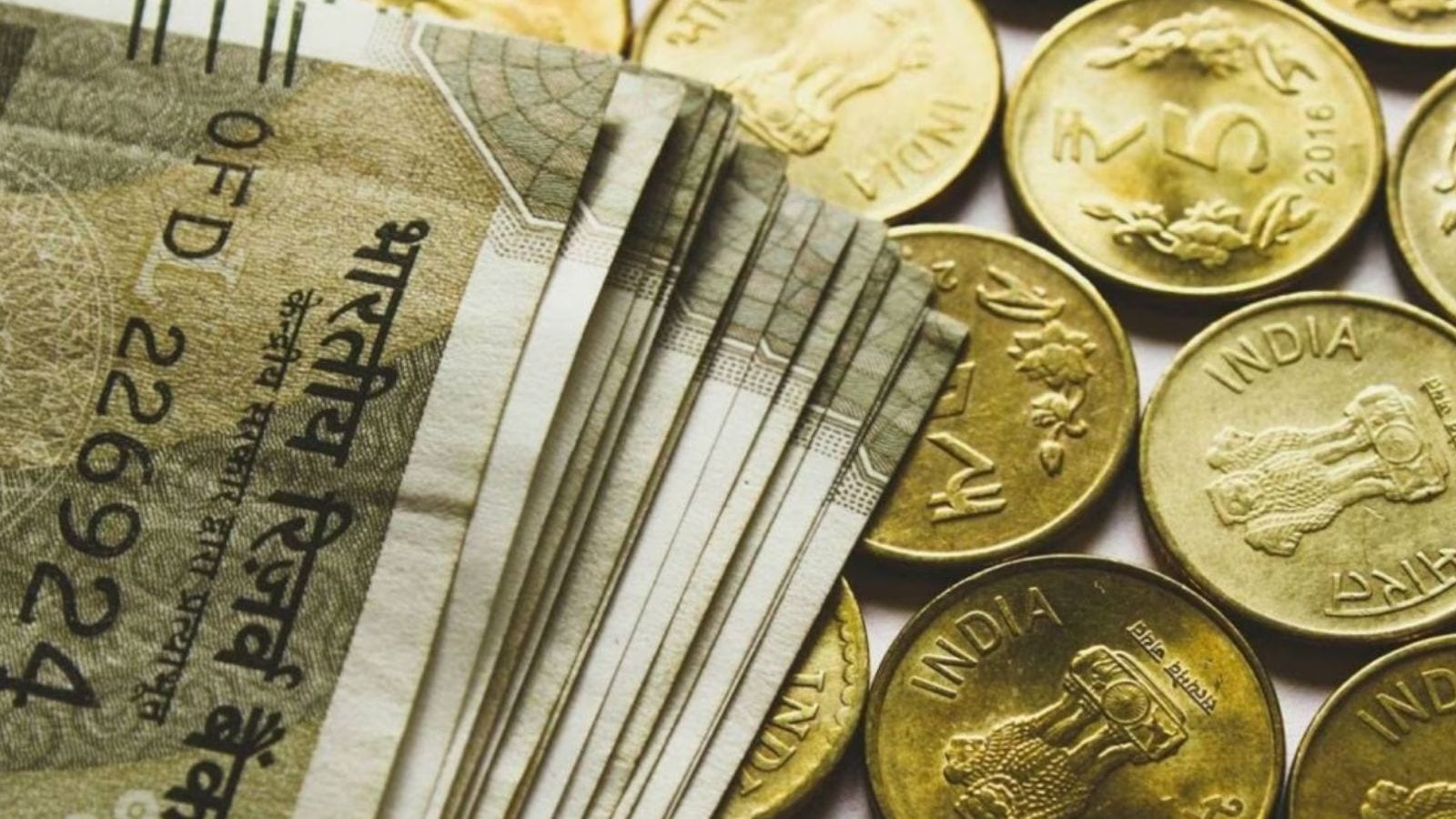
Rupee fell by 17 paise to 95.35 against US dollar on Monday. Indian stock markets opened lower on Monday, following a sharp fall in Asian markets. Nifty 50 fell 1.22% to 23,080.70, while the BSE Sensex lost 1.11% to stand at 73,421.61.
Investor sentiment has been hit by rising oil prices amid fresh tensions in the Middle East and growing fears that the US Federal Reserve could raise interest rates again.
Brent crude oil prices jumped 3.5% to $96.5 per barrel after Iran launched missiles at Israel following Israeli strikes on Beirut. The development has raised concerns about possible disruptions to global oil supplies.
GIFT Nifty futures were trading at 23,138 early on Monday, indicating that the Nifty 50 could open about 1% below Friday’s close of 23,366.70.
On Friday, the Reserve Bank of India (RBI) kept interest rates unchanged at 5.25% and announced several measures to support foreign investment and the rupee.
The RBI also raised its inflation forecast for FY27 to 5.1% from 4.6% and lowered its growth forecast to 6.6% from 6.9%. However, official data released later showed India’s economy remained strong, growing 7.8% in the January-March quarter, supported by steady domestic demand.
Asian markets also came under pressure. South Korea’s KOSPI index fell 6.9%, while Japan’s Nikkei dropped 4.4%. The broader MSCI Asia ex-Japan index declined 3.4%.
US markets had already ended lower on Friday after strong jobs data increased expectations of a possible US interest rate hike. Higher US interest rates often reduce investor interest in emerging markets such as India.
Foreign investors have already sold $28.63 billion worth of Indian shares in 2026, surpassing last year’s record outflows. Rising crude oil prices, concerns over the Iran conflict and India’s limited presence in AI-focused companies have added to investor worries.
On Friday, the Reserve Bank of India (RBI) kept interest rates unchanged and announced several measures to support foreign investment and the rupee.
The RBI also raised its inflation forecast for FY27 to 5.1% from 4.6% and lowered its growth forecast to 6.6% from 6.9%. However, official data released later showed India’s economy remained strong, growing 7.8% in the January-March quarter, supported by steady domestic demand.
The RBI introduced steps to attract more foreign investment into Indian government bonds.
These measures could bring around $50 billion into India, helping reduce pressure on the country’s finances, says Reuters.
However, gains in the bond market may be limited because of rising oil prices and higher US Treasury yields. Oil prices increased after Israel carried out fresh strikes in Lebanon, raising concerns about tensions in the Middle East.
The yield on India’s benchmark 10-year government bond closed at 6.9772% on Friday. Bond yields move in the opposite direction to bond prices.
Rupee fell by 17 paise to 95.35 against US dollar on Monday. Indian stock markets opened lower on Monday, following a sharp fall in Asian markets. Nifty 50 fell 1.22% to 23,080.70, while the BSE Sensex lost 1.11% to stand at 73,421.61.
Investor sentiment has been hit by rising oil prices amid fresh tensions in the Middle East and growing fears that the US Federal Reserve could raise interest rates again.
Brent crude oil prices jumped 3.5% to $96.5 per barrel after Iran launched missiles at Israel following Israeli strikes on Beirut. The development has raised concerns about possible disruptions to global oil supplies.
GIFT Nifty futures were trading at 23,138 early on Monday, indicating that the Nifty 50 could open about 1% below Friday’s close of 23,366.70.
On Friday, the Reserve Bank of India (RBI) kept interest rates unchanged at 5.25% and announced several measures to support foreign investment and the rupee.
The RBI also raised its inflation forecast for FY27 to 5.1% from 4.6% and lowered its growth forecast to 6.6% from 6.9%. However, official data released later showed India’s economy remained strong, growing 7.8% in the January-March quarter, supported by steady domestic demand.
Asian markets also came under pressure. South Korea’s KOSPI index fell 6.9%, while Japan’s Nikkei dropped 4.4%. The broader MSCI Asia ex-Japan index declined 3.4%.
US markets had already ended lower on Friday after strong jobs data increased expectations of a possible US interest rate hike. Higher US interest rates often reduce investor interest in emerging markets such as India.
Foreign investors have already sold $28.63 billion worth of Indian shares in 2026, surpassing last year’s record outflows. Rising crude oil prices, concerns over the Iran conflict and India’s limited presence in AI-focused companies have added to investor worries.
On Friday, the Reserve Bank of India (RBI) kept interest rates unchanged and announced several measures to support foreign investment and the rupee.
The RBI also raised its inflation forecast for FY27 to 5.1% from 4.6% and lowered its growth forecast to 6.6% from 6.9%. However, official data released later showed India’s economy remained strong, growing 7.8% in the January-March quarter, supported by steady domestic demand.
The RBI introduced steps to attract more foreign investment into Indian government bonds.
These measures could bring around $50 billion into India, helping reduce pressure on the country’s finances, says Reuters.
However, gains in the bond market may be limited because of rising oil prices and higher US Treasury yields. Oil prices increased after Israel carried out fresh strikes in Lebanon, raising concerns about tensions in the Middle East.
The yield on India’s benchmark 10-year government bond closed at 6.9772% on Friday. Bond yields move in the opposite direction to bond prices.