

RBI moots trusted-person checks, instant debit freeze to curb banking fraud
RBI proposes a trusted-person facility and stop switch to block bank debits, alongside transaction limits and digital payment controls to prevent online fraud.
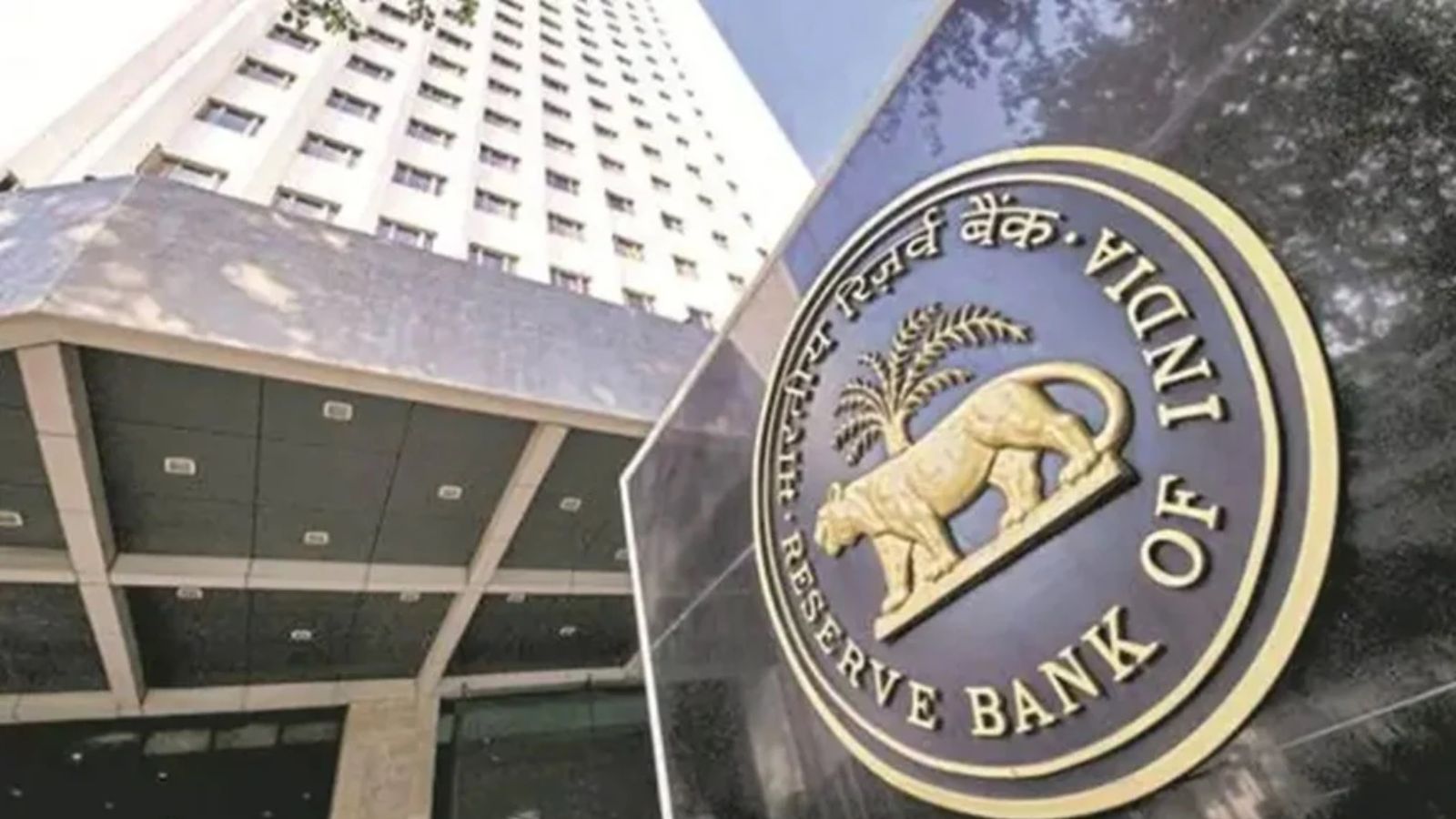
The Reserve Bank of India (RBI) has proposed a ‘trusted person’ facility for customers to authenticate high-value bank transactions and a ‘stop switch’ to immediately block all future customer-initiated debits from their accounts, as part of a new framework aimed at strengthening safeguards against digital banking frauds.
Under the proposed framework, customers will be able to register a trusted person, who will have to approve transactions exceeding a threshold set by the account holder. The RBI has also proposed giving customers greater control over digital payment channels, including the ability to disable them, set transaction limits and restrict their usage during specified time periods.
The draft Reserve Bank of India (Commercial Banks – Responsible Business Conduct) Fifth Amendment Directions, 2026, seeks to strengthen preventive safeguards against fraudulent electronic banking transactions (EBTs), building on the framework introduced earlier this year to limit customer liability in unauthorised transactions.
The trusted-person mechanism will be voluntary and will require explicit consent from both the customer and the person registered. It will apply to electronic fund transfers through physical and digital channels beyond a threshold set by the customer, but will exclude UPI payments, merchant payments and recurring payments through standing instructions, e-mandates or NACH mandates, the RBI says.
Under the mechanism, the trusted person will receive transaction details, including the amount, beneficiary information and transaction narration, and will have one hour to approve or reject the transaction. A transaction will be executed only if the trusted person provides consent. If the transaction is rejected or no response is received within the stipulated period, it will be declined.
The RBI has clarified that a trusted person will not become a joint account holder, nominee, authorised signatory or beneficiary of the account, nor will the person be allowed to independently access or operate the account. The role will be restricted to authenticating transactions, without access to the customer’s account balance, deposits, investments or insurance details.
Customers will also be able to change or remove their trusted person, modify transaction thresholds or opt out of the mechanism, subject to authentication and a 24-hour cooling period. Banks may impose additional checks, including a branch visit or tele-verification, in cases involving customers considered more vulnerable to cyber fraud.
The proposed stop-switch facility will allow customers to immediately disable all outward future debits associated with their accounts. Once activated, customers will not be able to initiate debit transactions, create new payment mandates or standing instructions, or register their account on new third-party UPI applications. However, inward credits will continue to be permitted. Existing recurring mandates, standing instructions and certain bank-initiated debits, including recovery of charges and loan instalments, will remain outside its scope.
Banks will also have to provide customers with the option of disabling individual digital payment channels, setting transaction limits for individual transactions, beneficiaries or daily aggregate payments, and restricting channel usage to specified time windows. Cardholders will be able to switch on or off transactions and set limits for domestic and international usage across ATMs, point-of-sale terminals, online and contactless payments.
The RBI has proposed that digital payment channels be disabled by default when a customer opens an account, with activation requiring explicit consent and authentication. Banks will also be required to provide these controls through branches, ATMs, internet banking, mobile banking and other available interfaces, and send immediate alerts whenever controls are activated, modified or deactivated.
The draft also expands the definition of negligence by a bank to include failure to provide or implement customer controls and the trusted-person mechanism, along with system malfunctions, security breaches and employee or third-party collusion that facilitate fraudulent transactions.
The provisions are proposed to take effect from July 1, 2027, or an earlier date decided by banks. Certain provisions relating to the expanded definition of bank negligence will come into effect from January 1, 2027.