Centre dials states to monitor fuel supplies at OMC pumps, check hoarding, mismanagement
Fuel demand, particularly of diesel, is seeing a jump in certain pockets as a large number of bulk fuel consumers have shifted to public sector OMCs retail outlets due to a wide price gap between retail prices.
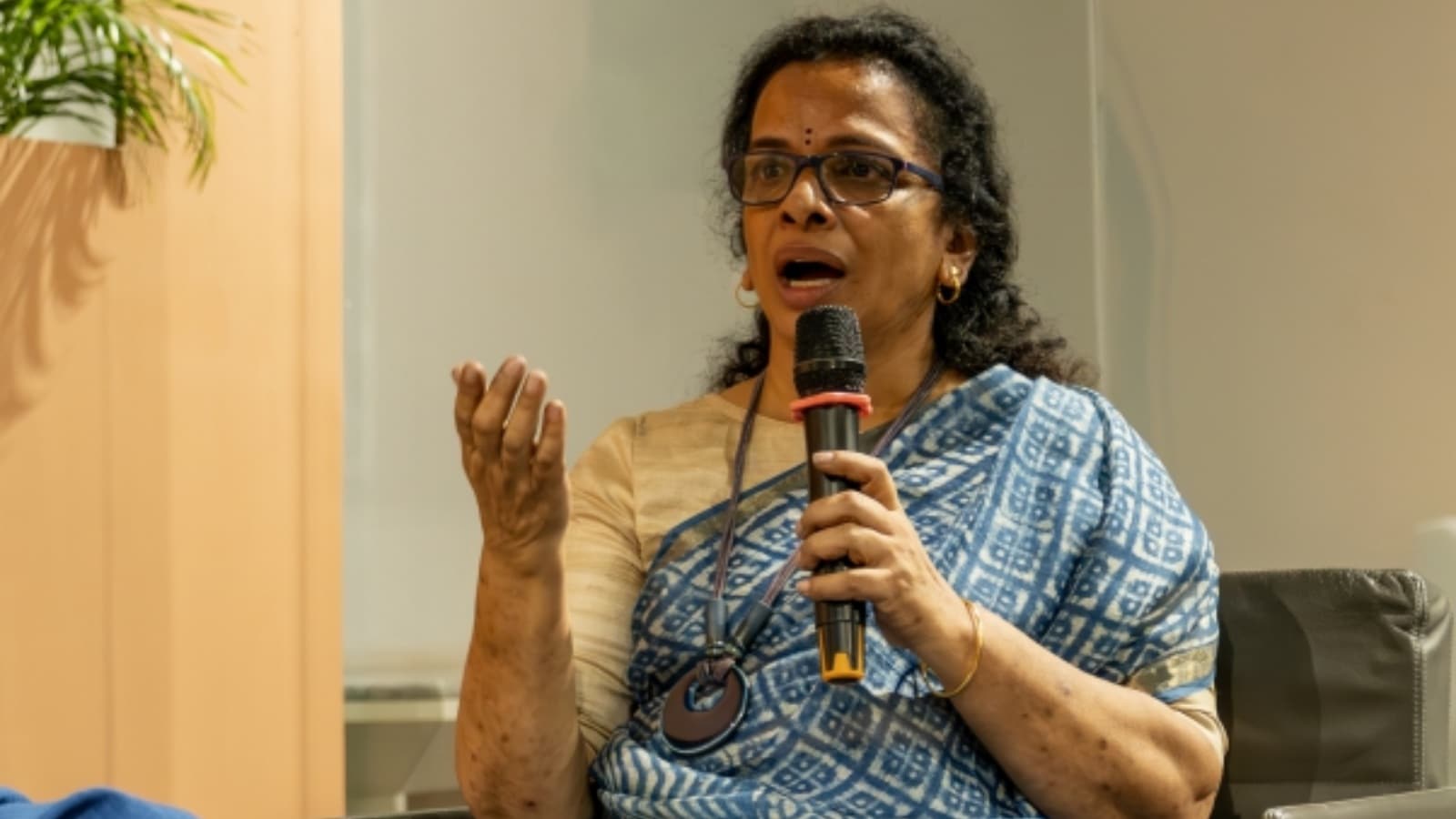
The Centre has held discussions with all states and union territories (UTs) amid instances of panic buying of petrol and diesel and reports of localised supply constraints at public sector oil marketing companies’ (OMCs) retail outlets in some pockets, a senior petroleum ministry official said Monday. In view of the situation, state governments and UT administrations have been asked to closely monitor the situation on a regular basis as well as check any hoarding or mismanagement of fuel stocks, according to Petroleum Ministry Joint Secretary Sujata Sharma.
“A VC (video conference) has been done with all states and union territories on the issue. Discussions have been held and state governments and union territories have been requested to monitor the situation. At the level of the OMCs as well as the (petroleum) ministry, all retail outlets and the fuel supply situation are being monitored closely so that if there are any intermittent dry-outs anywhere, they can be addressed immediately by quickly replenishing petrol and diesel stocks at retail outlets,” Sharma told reporters.
“If there is any hoarding or mismanagement in any part of the country, we would need the state government’s support to deal with that. This was also one of the specific points raised in the VC,” Sharma said, adding that overall, there are adequate stocks of petrol and diesel in the country and the constraints being seen in certain pockets are largely due to timely last-mile supply issues amid surging demand.
Fuel demand, particularly of diesel, is seeing a jump in certain pockets as a large number of bulk fuel consumers have shifted to public sector OMCs retail outlets due to a wide price gap between retail prices—which are still below market rates—and the market-linked bulk prices, according to the government. While retail fuel pumps usually sell fuel to two-wheelers and cars, bulk and commercial buyers like state road transport corporation buses, truckers, and diesel-powered telecom towers are supposed to get their supplies from designated points.
On top of that, certain private sector fuel retailers are retailing the fuels at higher prices than the OMCs, leading to additional pressure on the latter’s retail network as consumers are preferring to buy from them. Higher fuel demand due to the crop harvesting season is also leading to additional demand pressure. While fuel production and supply at the national level remains stable and adequate, these factors are leading to regional imbalances and last-mile logistical challenges for the OMCs to maintain 24×7 supplies, particularly in tier-2 and tier-3 cities, and rural and remote areas, according to industry executives.
Due to these developments, the OMCs’ retail outlets in some areas are running out of fuel stocks faster than usual, leading to dry-out-like situations. Industry sources said that the problem gets amplified when a supply constraint at one retail outlet leads to rumours of shortage in the area, and consumers start panic-buying from other outlets as well. According to the government, panic buying is being observed in certain parts of the country, like a few districts in Gujarat, Maharashtra, and Uttar Pradesh.
The visible migration of a large number of bulk consumers to OMCs’ retail stations, combined with higher agricultural season fuel demand, has led to a demand growth of 20% to 30% in some localised areas. The price difference between diesel for bulk sales and that available at petrol pumps is about Rs 40 per litre.
“A retail outlet usually has two-three days of stock, but (what) if they suddenly see 20-30% increase in demand…it is not that the depots and terminals that supply to retail outlets don’t have sufficient stocks. Last mile logistics sometimes give a bit of a difficulty. To manage that, the entire fuel retail network is being monitored daily and efforts are being made to replenish stocks in the minimum amount of time,” Sharma said.
Amid the global oil and fuel price surge due to the West Asia crisis, only a part of the higher price has been passed on for the retail petrol and diesel sales in India by the OMCs; the price hikes have been much higher in the bulk and industrial segments. While the OMCs, being government-owned, have kept prices artificially lower, some private sector fuel retailers have hiked retail fuel prices. The three OMCs together have a share of 90% in the fuel retail market.
On Saturday, the country’s largest OMC Indian Oil Corporation assured consumers that there is no “overall shortage” of the two automobile fuels and the issues being faced at certain retail outlets are “highly localised and temporary”. Indian oil also said that the three OMCs—Bharat Petroleum and Hindustan Petroleum being the other two—are continuously monitoring the situation and taking the necessary measures to address such “isolated situations”.
“Indian Oil would also like to highlight that during the period from 1–22 May 2026, the company recorded substantial growth in fuel sales over the corresponding period last year, with petrol sales increasing by 14% and diesel sales by around 18%. Despite this sustained and exceptionally high growth in demand, Indian Oil continues to consistently meet customer requirements across the country,” the refiner-cum-fuel retailer said, adding that instances of fuel supply disruption are limited to “a very small number” of its over 42,000 retail outlets.
On Friday, Bharat Petroleum had said that it initiated operational measures across locations to augment supplies and strengthen replenishment efficiency, including enhanced tanker movement planning, depot-level inventory optimisation, round-the-clock monitoring and closer coordination between regional operations teams, distributors and retail outlets. A day earlier, it had said that while metropolitan centres continue to remain adequately supplied, special operational focus was placed on “maintaining seamless supplies across tier-2, tier-3 and remote markets, where localised demand spikes and precautionary buying tendencies have been observed in recent days”.
The Centre has held discussions with all states and union territories (UTs) amid instances of panic buying of petrol and diesel and reports of localised supply constraints at public sector oil marketing companies’ (OMCs) retail outlets in some pockets, a senior petroleum ministry official said Monday. In view of the situation, state governments and UT administrations have been asked to closely monitor the situation on a regular basis as well as check any hoarding or mismanagement of fuel stocks, according to Petroleum Ministry Joint Secretary Sujata Sharma.
“A VC (video conference) has been done with all states and union territories on the issue. Discussions have been held and state governments and union territories have been requested to monitor the situation. At the level of the OMCs as well as the (petroleum) ministry, all retail outlets and the fuel supply situation are being monitored closely so that if there are any intermittent dry-outs anywhere, they can be addressed immediately by quickly replenishing petrol and diesel stocks at retail outlets,” Sharma told reporters.
“If there is any hoarding or mismanagement in any part of the country, we would need the state government’s support to deal with that. This was also one of the specific points raised in the VC,” Sharma said, adding that overall, there are adequate stocks of petrol and diesel in the country and the constraints being seen in certain pockets are largely due to timely last-mile supply issues amid surging demand.
Fuel demand, particularly of diesel, is seeing a jump in certain pockets as a large number of bulk fuel consumers have shifted to public sector OMCs retail outlets due to a wide price gap between retail prices—which are still below market rates—and the market-linked bulk prices, according to the government. While retail fuel pumps usually sell fuel to two-wheelers and cars, bulk and commercial buyers like state road transport corporation buses, truckers, and diesel-powered telecom towers are supposed to get their supplies from designated points.
On top of that, certain private sector fuel retailers are retailing the fuels at higher prices than the OMCs, leading to additional pressure on the latter’s retail network as consumers are preferring to buy from them. Higher fuel demand due to the crop harvesting season is also leading to additional demand pressure. While fuel production and supply at the national level remains stable and adequate, these factors are leading to regional imbalances and last-mile logistical challenges for the OMCs to maintain 24×7 supplies, particularly in tier-2 and tier-3 cities, and rural and remote areas, according to industry executives.
Due to these developments, the OMCs’ retail outlets in some areas are running out of fuel stocks faster than usual, leading to dry-out-like situations. Industry sources said that the problem gets amplified when a supply constraint at one retail outlet leads to rumours of shortage in the area, and consumers start panic-buying from other outlets as well. According to the government, panic buying is being observed in certain parts of the country, like a few districts in Gujarat, Maharashtra, and Uttar Pradesh.
The visible migration of a large number of bulk consumers to OMCs’ retail stations, combined with higher agricultural season fuel demand, has led to a demand growth of 20% to 30% in some localised areas. The price difference between diesel for bulk sales and that available at petrol pumps is about Rs 40 per litre.
“A retail outlet usually has two-three days of stock, but (what) if they suddenly see 20-30% increase in demand…it is not that the depots and terminals that supply to retail outlets don’t have sufficient stocks. Last mile logistics sometimes give a bit of a difficulty. To manage that, the entire fuel retail network is being monitored daily and efforts are being made to replenish stocks in the minimum amount of time,” Sharma said.
Amid the global oil and fuel price surge due to the West Asia crisis, only a part of the higher price has been passed on for the retail petrol and diesel sales in India by the OMCs; the price hikes have been much higher in the bulk and industrial segments. While the OMCs, being government-owned, have kept prices artificially lower, some private sector fuel retailers have hiked retail fuel prices. The three OMCs together have a share of 90% in the fuel retail market.
On Saturday, the country’s largest OMC Indian Oil Corporation assured consumers that there is no “overall shortage” of the two automobile fuels and the issues being faced at certain retail outlets are “highly localised and temporary”. Indian oil also said that the three OMCs—Bharat Petroleum and Hindustan Petroleum being the other two—are continuously monitoring the situation and taking the necessary measures to address such “isolated situations”.
“Indian Oil would also like to highlight that during the period from 1–22 May 2026, the company recorded substantial growth in fuel sales over the corresponding period last year, with petrol sales increasing by 14% and diesel sales by around 18%. Despite this sustained and exceptionally high growth in demand, Indian Oil continues to consistently meet customer requirements across the country,” the refiner-cum-fuel retailer said, adding that instances of fuel supply disruption are limited to “a very small number” of its over 42,000 retail outlets.
On Friday, Bharat Petroleum had said that it initiated operational measures across locations to augment supplies and strengthen replenishment efficiency, including enhanced tanker movement planning, depot-level inventory optimisation, round-the-clock monitoring and closer coordination between regional operations teams, distributors and retail outlets. A day earlier, it had said that while metropolitan centres continue to remain adequately supplied, special operational focus was placed on “maintaining seamless supplies across tier-2, tier-3 and remote markets, where localised demand spikes and precautionary buying tendencies have been observed in recent days”.