

Domestic LPG production up by 25% due to recent emergency measures, no need for panic booking, says Govt
Given the crisis, the government has invoked the Essential Commodities Act to prioritise LPG supplies to households over commercial and industrial consumers.
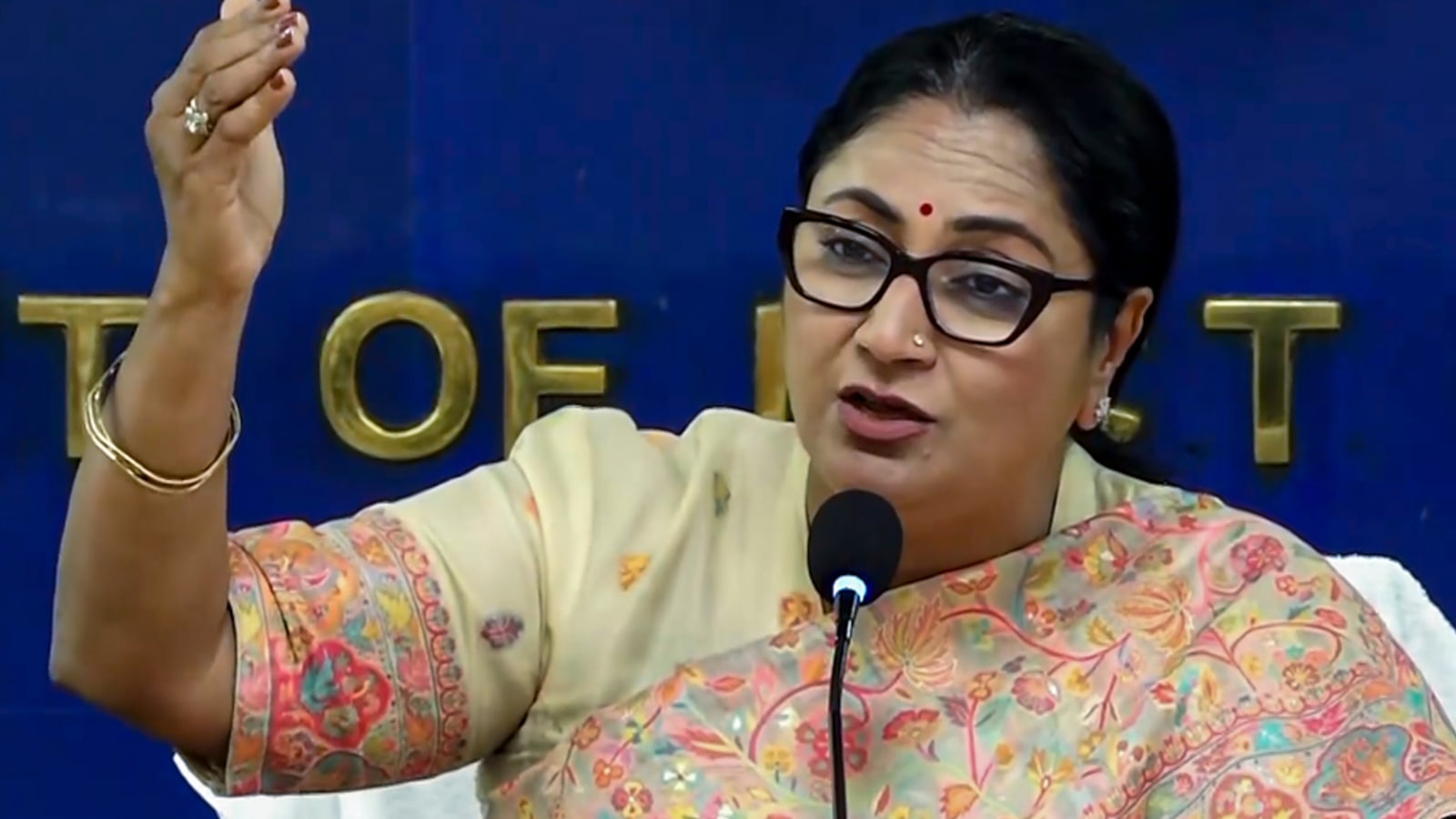
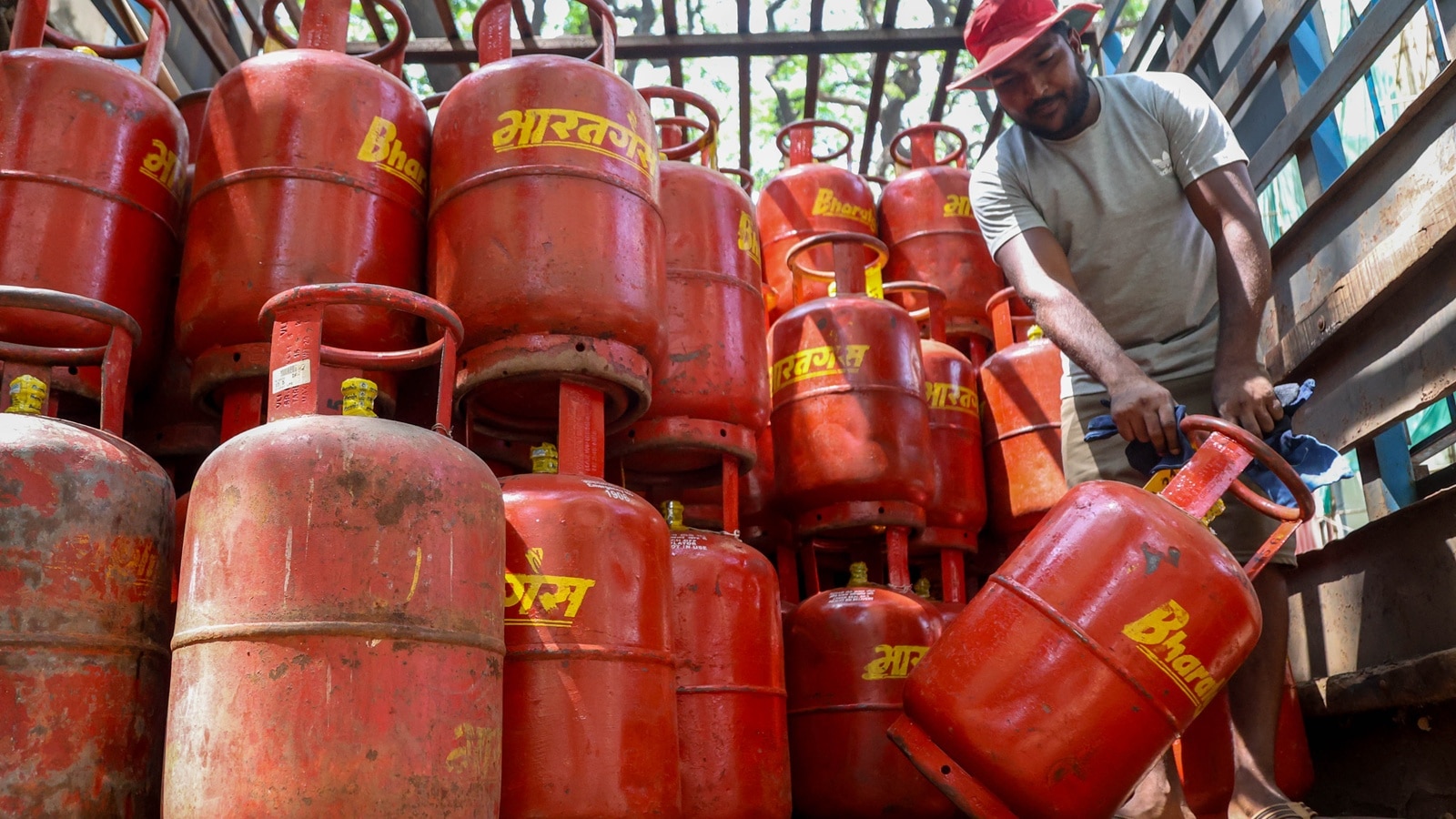
Recent measures taken by the government for maintaining continuous liquefied petroleum gas (LPG), or cooking gas, supplies to households amid the West Asia conflict have led to a 25% increase in domestic LPG production, and there is no need for panic booking of LPG cylinders by households, a senior Petroleum Ministry official said Wednesday. According to Sujata Sharma, Joint Secretary in the Ministry of Petroleum and Natural Gas (MoPNG), some panic booking and hoarding behaviour has been observed due to “misinformation”. She added that the normal LPG delivery cycle—two-and-a-half days from time of booking—is being maintained, and appealed to consumers to not rush-book cylinders.
The comments come amid growing concerns on cooking gas availability from different parts of the country. Commercial entities are facing a shortage of LPG as the government has decided to prioritise household supplies of the fuel. There are also reports of black-marketing of LPG cylinders.
The effective halt in maritime traffic through the crucial chokepoint of the Strait of Hormuz has significantly impacted India’s LPG imports. The country depends on imports to meet around 60% of its LPG requirement, and 90% of the LPG imports come from West Asia through the Strait. This effectively means that roughly 55% of India’s LPG consumption volumes are currently unavailable.
Given the crisis, the government has invoked the Essential Commodities Act to prioritise LPG supplies to households over commercial and industrial consumers, ordered refiners to maximise LPG production, and directed them to divert propane, butane, and other streams from petrochemical production to LPG production. India has over 33 crore domestic LPG consumers. This has led to some supply disruption in the commercial LPG segment—hotels and restaurants, for instance—and the MoPNG has formed a panel to consider requests from commercial consumers for LPG allocation. The minimum waiting period for booking a domestic LPG cylinder refill has been increased from 21 days to 25 days to prevent hoarding and creation of artificial scarcity in the market.
According to Sharma, measures to augment LPG supplies have already led to a 25% increase in domestic LPG output vis-à-vis the pre-conflict levels, and all of it is being diverted to meet household consumption demand. But given that domestic LPG output accounted for just 40% of India’s LPG consumption, a 25% increase translates to only about 10% of the overall consumption pie. Moreover, the government and Indian refiners are scouting for additional LPG cargoes from non-Hormuz regions, and some cargoes have been secured over the past few days, officials said. LPG stocks in India are relatively lower than oil, petrol, and diesel—which are estimated to be sufficient for six-eight weeks—and alternative suppliers are in faraway geographies like North America.
Amid concerns about diversion of LPG supplies at the level of the distributor, the coverage of the delivery authentication code system—which required one-time password authentication for delivery—is being expanded rapidly to cover 90% of LPG consumers, Sharma said. “Oil marketing companies and enforcement teams are coordinating at the field level to clear distributor backlogs and ensure smooth deliveries,” she added.
“The Union Home Secretary held a meeting with the Chief Secretaries and Directors General of Police of all States and Union Territories. States and Union Territories were advised to take strict measures against hoarding of essential commodities and ensure uninterrupted availability of essential supplies. States and UTs were advised to nominate a state-level spokesperson to provide regular and credible updates to the public,” the government said in a release on Wednesday.
Recent measures taken by the government for maintaining continuous liquefied petroleum gas (LPG), or cooking gas, supplies to households amid the West Asia conflict have led to a 25% increase in domestic LPG production, and there is no need for panic booking of LPG cylinders by households, a senior Petroleum Ministry official said Wednesday. According to Sujata Sharma, Joint Secretary in the Ministry of Petroleum and Natural Gas (MoPNG), some panic booking and hoarding behaviour has been observed due to “misinformation”. She added that the normal LPG delivery cycle—two-and-a-half days from time of booking—is being maintained, and appealed to consumers to not rush-book cylinders.
The comments come amid growing concerns on cooking gas availability from different parts of the country. Commercial entities are facing a shortage of LPG as the government has decided to prioritise household supplies of the fuel. There are also reports of black-marketing of LPG cylinders.
The effective halt in maritime traffic through the crucial chokepoint of the Strait of Hormuz has significantly impacted India’s LPG imports. The country depends on imports to meet around 60% of its LPG requirement, and 90% of the LPG imports come from West Asia through the Strait. This effectively means that roughly 55% of India’s LPG consumption volumes are currently unavailable.
Given the crisis, the government has invoked the Essential Commodities Act to prioritise LPG supplies to households over commercial and industrial consumers, ordered refiners to maximise LPG production, and directed them to divert propane, butane, and other streams from petrochemical production to LPG production. India has over 33 crore domestic LPG consumers. This has led to some supply disruption in the commercial LPG segment—hotels and restaurants, for instance—and the MoPNG has formed a panel to consider requests from commercial consumers for LPG allocation. The minimum waiting period for booking a domestic LPG cylinder refill has been increased from 21 days to 25 days to prevent hoarding and creation of artificial scarcity in the market.
According to Sharma, measures to augment LPG supplies have already led to a 25% increase in domestic LPG output vis-à-vis the pre-conflict levels, and all of it is being diverted to meet household consumption demand. But given that domestic LPG output accounted for just 40% of India’s LPG consumption, a 25% increase translates to only about 10% of the overall consumption pie. Moreover, the government and Indian refiners are scouting for additional LPG cargoes from non-Hormuz regions, and some cargoes have been secured over the past few days, officials said. LPG stocks in India are relatively lower than oil, petrol, and diesel—which are estimated to be sufficient for six-eight weeks—and alternative suppliers are in faraway geographies like North America.
Amid concerns about diversion of LPG supplies at the level of the distributor, the coverage of the delivery authentication code system—which required one-time password authentication for delivery—is being expanded rapidly to cover 90% of LPG consumers, Sharma said. “Oil marketing companies and enforcement teams are coordinating at the field level to clear distributor backlogs and ensure smooth deliveries,” she added.
“The Union Home Secretary held a meeting with the Chief Secretaries and Directors General of Police of all States and Union Territories. States and Union Territories were advised to take strict measures against hoarding of essential commodities and ensure uninterrupted availability of essential supplies. States and UTs were advised to nominate a state-level spokesperson to provide regular and credible updates to the public,” the government said in a release on Wednesday.