

War risk insurance costs spiral upwards as West Asia conflict escalates
The sudden escalation of the situation, with strikes by Israel and the US on Iran and the retaliation by Iran, has changed the scenario.
War-risk insurance premiums for ships operating in West Asia have surged sharply, following continuing US and Israeli strikes on Iran. The rates for a seven-day cover are now estimated to be around ten times higher than before the attacks, having more than doubled in the past week. The spike in premiums is expected to significantly raise the cost of goods transported through the shipping corridor.
High-risk voyages were being quoted at around 7.5% of the value of the ship, likely to reach 10% or more soon, according to Lloyd’s List. Before the offensive launched by the US and Israel against Iran on February 27, additional premiums (AP) for voyages through the Middle East Gulf (MEG) typically ranged within 0.15% to 0.25%.
“Premium would have already touched 10% or even more. The charterer will end up paying the rise in the cover and will pass it on to customers,” an insurance official said. Meanwhile, Brent crude oil has climbed above $100 per barrel.
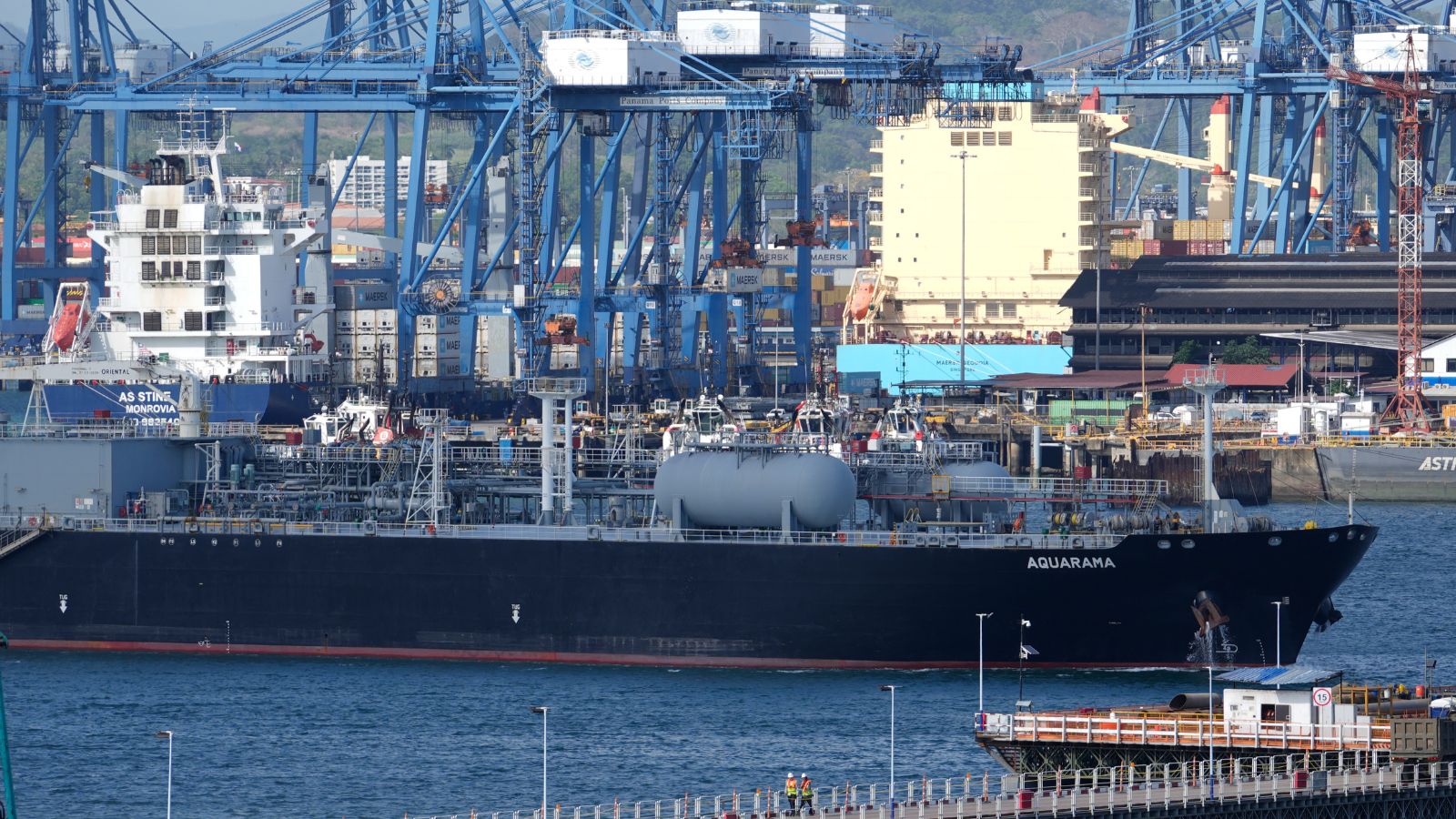
For a five-year-old VLCC (very large crude carrier) on charter to the US interests valued at around $140 million, insurers could charge anything from $10 million to $14 million to cover a voyage through the Strait of Hormuz as against $0.21-$0.35 million ($210,000 to $350,000) before the war began. The cost will be borne by the charterers rather than owners of the vessel.
“Among those being asked for the most money are US nexus tankers, which have attracted the nickname of missile magnets,” Lloyd’s List said.
Adding to the woes, bunker fuel prices are also rising fast. The average price of very low sulphur fuel oil across the top 20 bunkering hubs was $1,005 per tonne on Thursday, according to data from Ship & Bunker. That is double the cost prior to the war and the highest price since July 2022 after Russia’s invasion of Ukraine.
Bunkering is the process of supplying fuel to ships for their operations. The fuel used by ships is called bunker fuel.
The escalating war in West Asia has resulted in attacks on three container ships recently. As many as 56 container ships from the top 10 global carriers are currently stuck in the region, with analysts estimating the total number of trapped vessels across all operators to be close to 140 ships, Lloyd’s List Intelligence data shows.
According to Balasundaram R, Head of Marine Insurance at Policybazaar, “the Middle East, especially the Red Sea, has been under close scrutiny for some time by the war risk underwriters. In fact, many ports in the region were already identified as high-risk areas (HRA) wherein the conventional war risks were no longer included under the marine hull and cargo Insurance, which could be purchased only by paying extra premiums.”
The sudden escalation of the situation, with strikes by Israel and the US on Iran and the retaliation by Iran, has changed the scenario. “With the active engagement already underway, the war risks premiums, which were previously charged, are found to be grossly inadequate,” Balasundaram said.
The Strait of Hormuz, which is under Iran’s control, plays a vital role in the oil export business. It facilitates export of almost 20% global oil, not only from Iran but also from the upstream oil producers such as the UAE, Qatar, Kuwait, Saudi Arabia and Iraq. The risk exposure for vessels, whether laden or empty, operating in the Persian Gulf and at ports, due to the missile attacks, is massive, he said. “For shipowners and cargo interests, the decision to secure cover, at whatever high cost, may be a critical one in the face of rapidly escalating geopolitical uncertainty.”
Insurance underwriters recently said commercial shipping through the strait has effectively halted, not due to a lack of insurance coverage, but because shipowners and operators have suspended transits amid growing safety and security concerns.
“Most prominent is shipping in the Strait of Hormuz where trade has been halted, not by a lack of available insurance, but by obvious safety concerns,” said Chris Jones, Chief Executive of the International Underwriting Association.
War-risk insurance premiums for ships operating in West Asia have surged sharply, following continuing US and Israeli strikes on Iran. The rates for a seven-day cover are now estimated to be around ten times higher than before the attacks, having more than doubled in the past week. The spike in premiums is expected to significantly raise the cost of goods transported through the shipping corridor.
High-risk voyages were being quoted at around 7.5% of the value of the ship, likely to reach 10% or more soon, according to Lloyd’s List. Before the offensive launched by the US and Israel against Iran on February 27, additional premiums (AP) for voyages through the Middle East Gulf (MEG) typically ranged within 0.15% to 0.25%.
“Premium would have already touched 10% or even more. The charterer will end up paying the rise in the cover and will pass it on to customers,” an insurance official said. Meanwhile, Brent crude oil has climbed above $100 per barrel.
For a five-year-old VLCC (very large crude carrier) on charter to the US interests valued at around $140 million, insurers could charge anything from $10 million to $14 million to cover a voyage through the Strait of Hormuz as against $0.21-$0.35 million ($210,000 to $350,000) before the war began. The cost will be borne by the charterers rather than owners of the vessel.
“Among those being asked for the most money are US nexus tankers, which have attracted the nickname of missile magnets,” Lloyd’s List said.
Adding to the woes, bunker fuel prices are also rising fast. The average price of very low sulphur fuel oil across the top 20 bunkering hubs was $1,005 per tonne on Thursday, according to data from Ship & Bunker. That is double the cost prior to the war and the highest price since July 2022 after Russia’s invasion of Ukraine.
Bunkering is the process of supplying fuel to ships for their operations. The fuel used by ships is called bunker fuel.
The escalating war in West Asia has resulted in attacks on three container ships recently. As many as 56 container ships from the top 10 global carriers are currently stuck in the region, with analysts estimating the total number of trapped vessels across all operators to be close to 140 ships, Lloyd’s List Intelligence data shows.
According to Balasundaram R, Head of Marine Insurance at Policybazaar, “the Middle East, especially the Red Sea, has been under close scrutiny for some time by the war risk underwriters. In fact, many ports in the region were already identified as high-risk areas (HRA) wherein the conventional war risks were no longer included under the marine hull and cargo Insurance, which could be purchased only by paying extra premiums.”
The sudden escalation of the situation, with strikes by Israel and the US on Iran and the retaliation by Iran, has changed the scenario. “With the active engagement already underway, the war risks premiums, which were previously charged, are found to be grossly inadequate,” Balasundaram said.
The Strait of Hormuz, which is under Iran’s control, plays a vital role in the oil export business. It facilitates export of almost 20% global oil, not only from Iran but also from the upstream oil producers such as the UAE, Qatar, Kuwait, Saudi Arabia and Iraq. The risk exposure for vessels, whether laden or empty, operating in the Persian Gulf and at ports, due to the missile attacks, is massive, he said. “For shipowners and cargo interests, the decision to secure cover, at whatever high cost, may be a critical one in the face of rapidly escalating geopolitical uncertainty.”
Insurance underwriters recently said commercial shipping through the strait has effectively halted, not due to a lack of insurance coverage, but because shipowners and operators have suspended transits amid growing safety and security concerns.
“Most prominent is shipping in the Strait of Hormuz where trade has been halted, not by a lack of available insurance, but by obvious safety concerns,” said Chris Jones, Chief Executive of the International Underwriting Association.