

Industrial growth rises to 7.3% in June, highest in 23 months
While a favourable base effect helped drive a large rise in industrial production in June, economists say growth has been solid and broad-based.
India’s industrial output increased by 7.3% in June – the most in almost two years – on the back of a favourable base amid what economists say was a “broad-based acceleration in growth”, data released Tuesday by the Ministry of Statistics and Programme Implementation (MoSPI) showed.
In May, industrial growth as per the Index of Industrial Production (IIP) was 5%. In June 2025, it was 2.2%. The last time IIP growth was higher was in July 2024, when it came in at 7.8%.
June saw the manufacturing sector post a robust growth of 7.8%, up from 5.2% in May and 2.4% in the same month last year. As the sector makes up three-fourth of the entire IIP, its performance is the driving force behind the entire industry’s growth.
According to Aditi Nayar, Chief Economist at ICRA, the rise in manufacturing output was responsible for 199 basis points (bps) of the 235 bps rise in overall industrial growth from May.
Within manufacturing, 19 of the 23 industry groups posted higher output on a year-on-year basis in June, up from 17 in April and 16 in May, pointed out Megha Arora, Director at India Ratings & Research. This, Arora said, suggested the industrial recovery is “slowly finding its feet and getting generalised”.
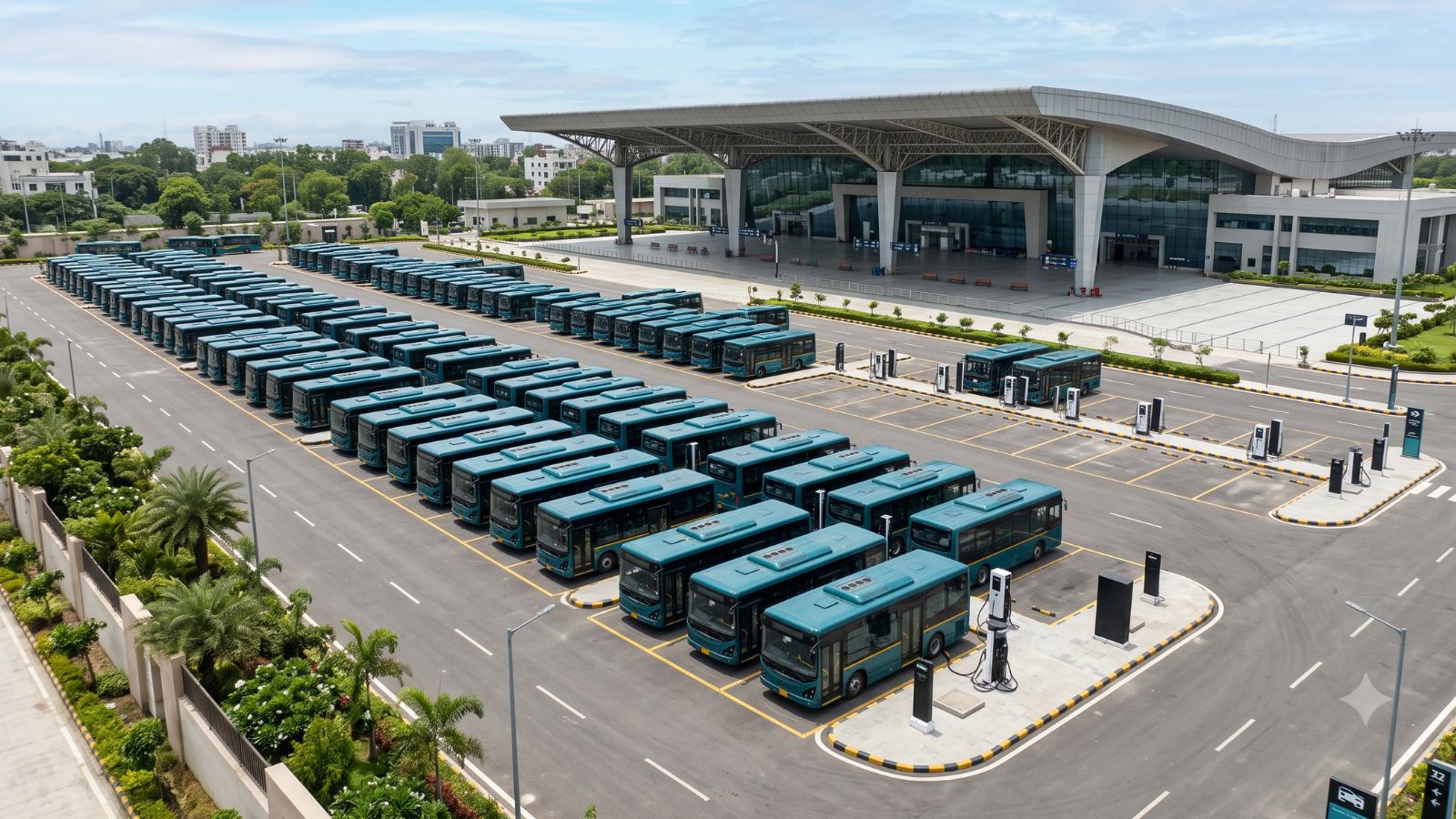
Production of electrical equipment continued to rise rapidly, posting a growth of 34% in June. This was followed by ‘motor vehicles, trailers and semi-trailers’, where the output rose 17.5%.
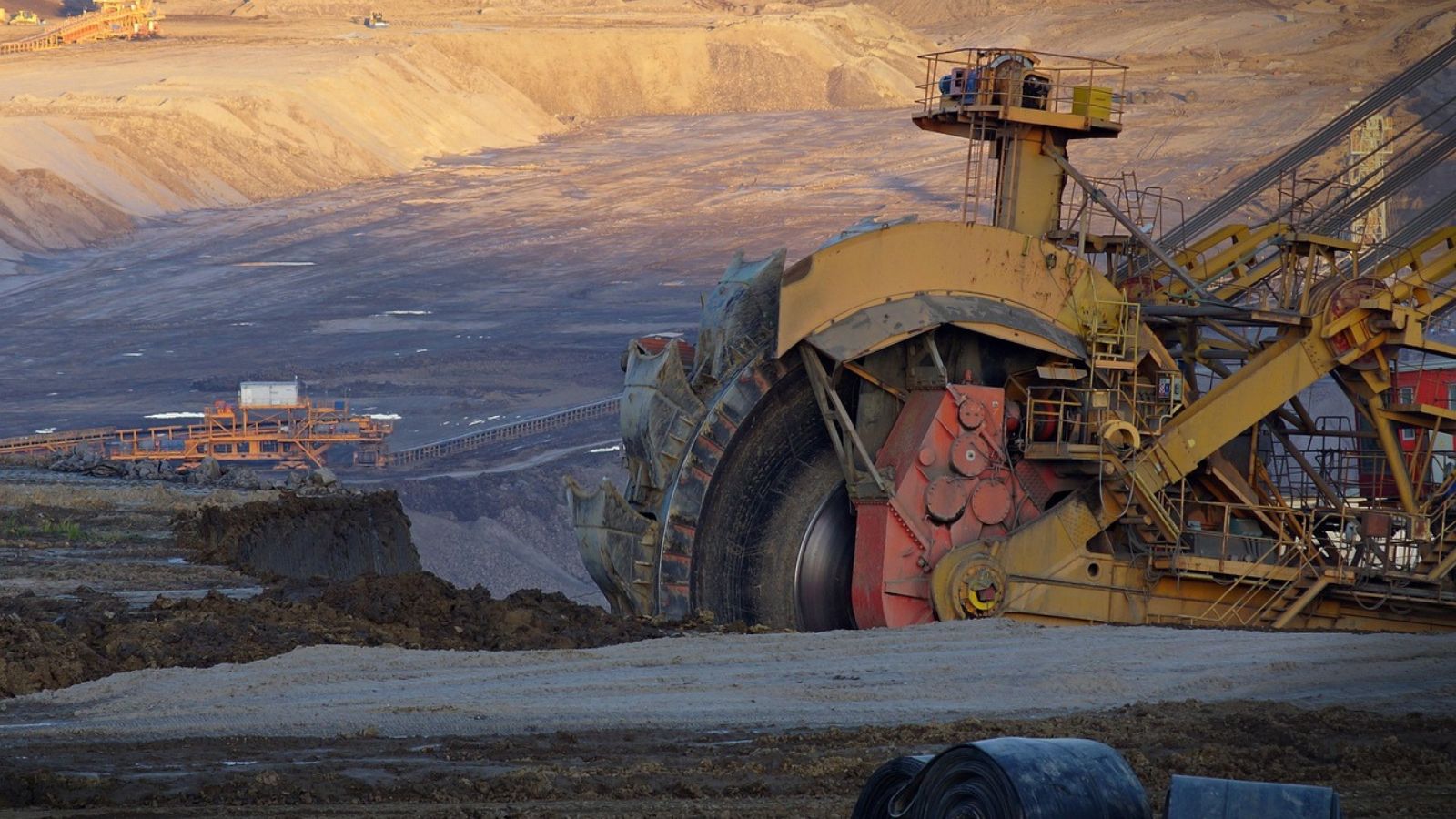
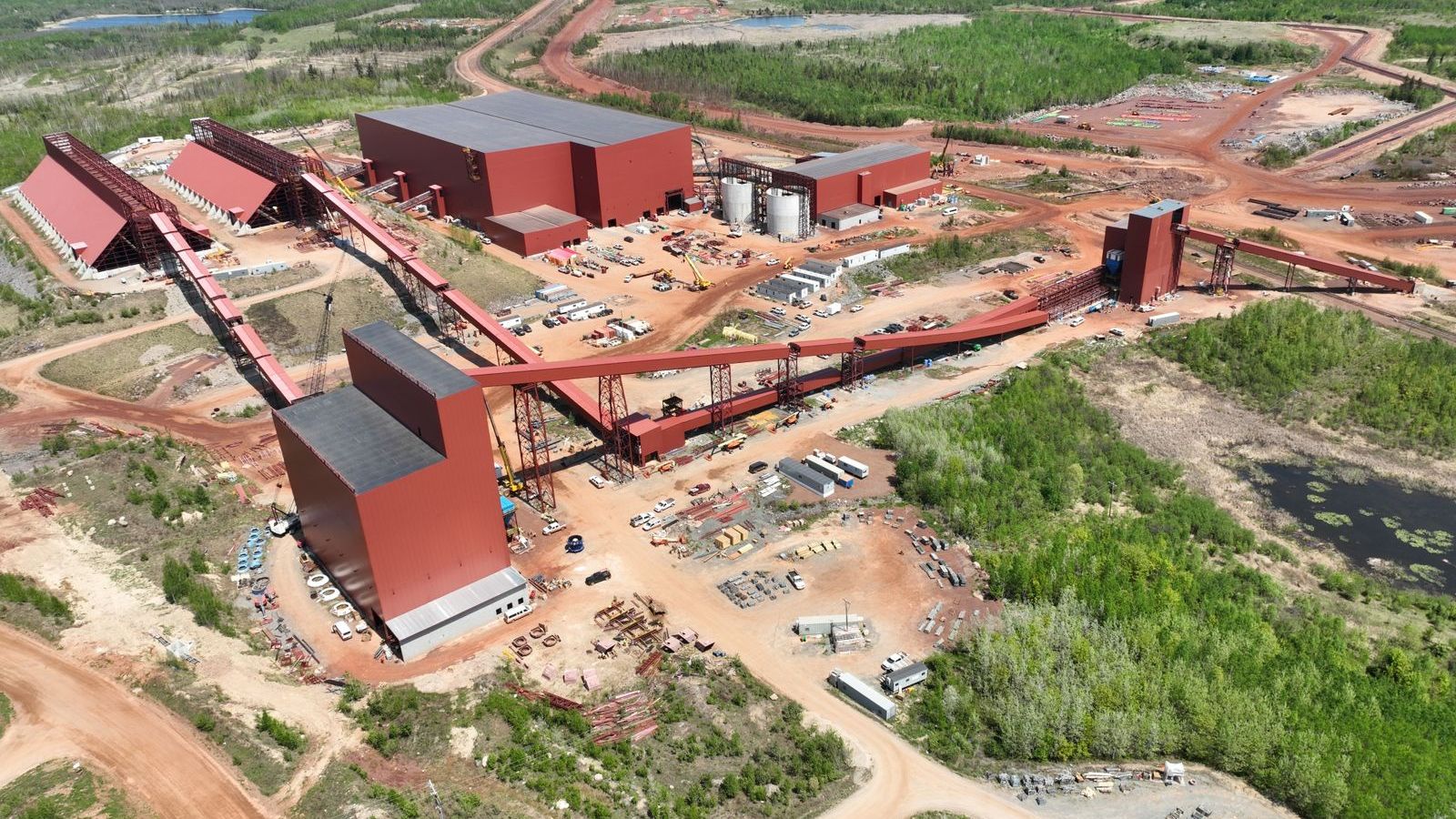
While a low base pushed up manufacturing and overall IIP growth sharply higher in June, it also helped mining growth edge up to 1% from a 1.4% contraction in May. Within ‘mining and quarrying’, metallic minerals including rare earth minerals continued to see very rapid growth, with the output in June estimated to have expanded by 38.9%. However, this was countered by a 13.4% contraction in the output of ‘non-metallic minerals including minor mineral’, which has a higher weight in the IIP.
Output of the ‘electricity and gas supply’ segment jumped 10.6%, primarily due to a 13% rise in electricity generation from non-renewable sources. According to Barclays economists, electricity production from non-renewables, mostly coal, has picked up as hydro power output within renewables scaled down in June owing to lower reservoir levels.
Overall electricity generation was 11.4% higher year-on-year in June and 9.3% in April-June on account of the high temperatures and delayed monsoon.
‘Water supply, sewerage & waste management’, the fourth and smallest sector in the IIP and a new addition under the new 2022-23 base year series that was released in May, saw steady expansion of 6.1%.
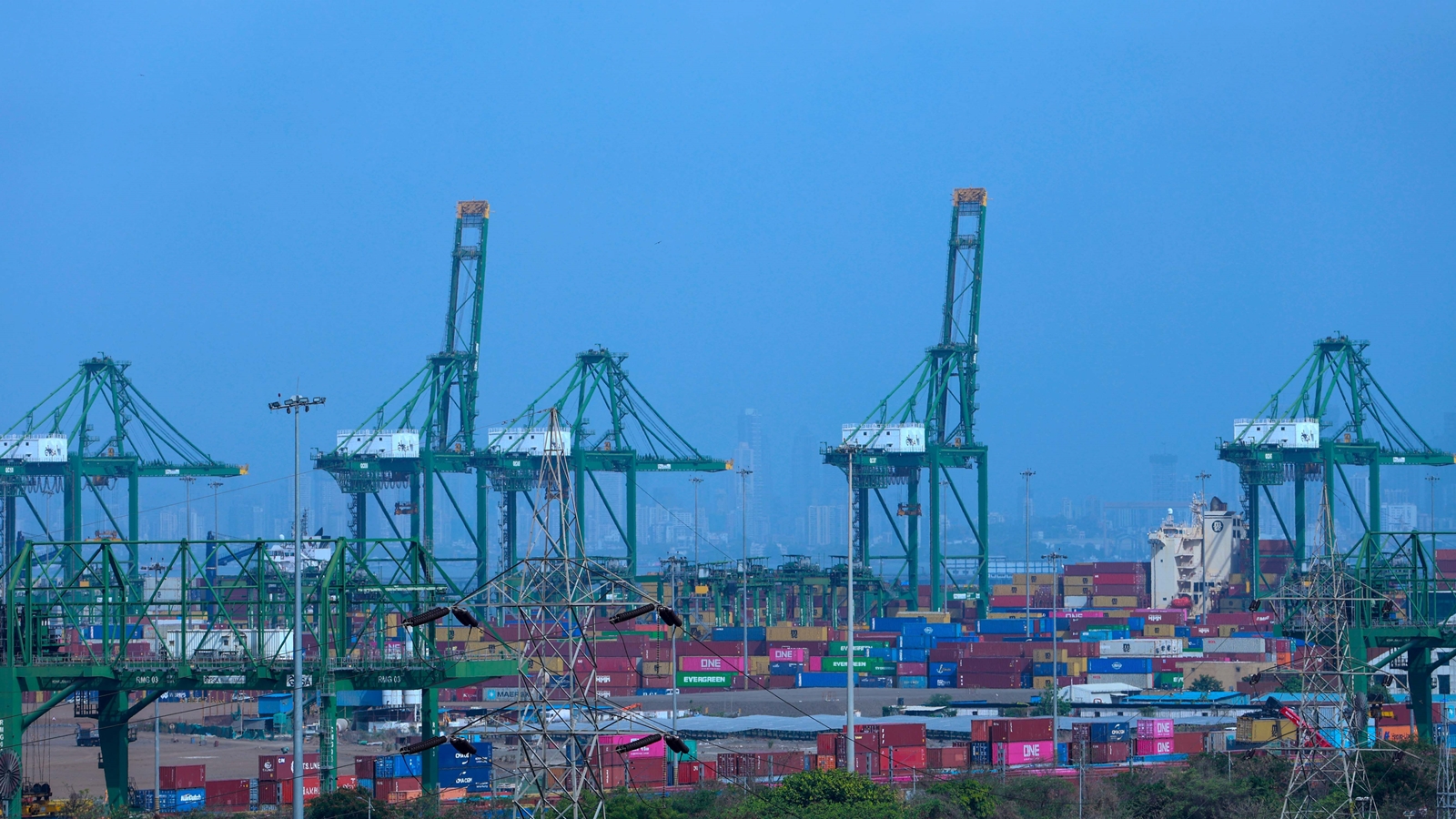
In terms of the use-based classification of the goods produced, the production of capital goods (up 14.2%) rose the most despite the absence of a favourable base. Intermediate goods’ output rose 9.3%, while that of construction goods was 7.5% higher. According to Nayar of ICRA, this suggests investment activity remained robust in June, “benefitting from the easing of tensions in West Asia as well as the large rainfall deficit seen in June that offered extended period for activity”.
Consumer goods also saw a respectable increase in their output. Durable goods rose 7.7%, broadly steady at May’s 8% growth, while production of non-durables rose 4.9% after shrinking by 0.4% the previous month.
However, Vikrant Chaturvedi, Associate Director at Brickwork Ratings, warned the sub-par rains “threatens rural consumption” while also posing upside risks to inflation.
“Furthermore, although active military engagement in the Middle East has paused, persistent regional tensions continue to drive troubling oil price volatility. For corporate credit profiles, these overlapping headwinds signal potential margin compression in the second half of the fiscal year. Sustaining the current industrial trajectory will increasingly depend on domestic investment durability to offset these mounting macroeconomic pressures,” Chaturvedi added.
India’s industrial output increased by 7.3% in June – the most in almost two years – on the back of a favourable base amid what economists say was a “broad-based acceleration in growth”, data released Tuesday by the Ministry of Statistics and Programme Implementation (MoSPI) showed.
In May, industrial growth as per the Index of Industrial Production (IIP) was 5%. In June 2025, it was 2.2%. The last time IIP growth was higher was in July 2024, when it came in at 7.8%.
June saw the manufacturing sector post a robust growth of 7.8%, up from 5.2% in May and 2.4% in the same month last year. As the sector makes up three-fourth of the entire IIP, its performance is the driving force behind the entire industry’s growth.
According to Aditi Nayar, Chief Economist at ICRA, the rise in manufacturing output was responsible for 199 basis points (bps) of the 235 bps rise in overall industrial growth from May.
Within manufacturing, 19 of the 23 industry groups posted higher output on a year-on-year basis in June, up from 17 in April and 16 in May, pointed out Megha Arora, Director at India Ratings & Research. This, Arora said, suggested the industrial recovery is “slowly finding its feet and getting generalised”.
Production of electrical equipment continued to rise rapidly, posting a growth of 34% in June. This was followed by ‘motor vehicles, trailers and semi-trailers’, where the output rose 17.5%.
While a low base pushed up manufacturing and overall IIP growth sharply higher in June, it also helped mining growth edge up to 1% from a 1.4% contraction in May. Within ‘mining and quarrying’, metallic minerals including rare earth minerals continued to see very rapid growth, with the output in June estimated to have expanded by 38.9%. However, this was countered by a 13.4% contraction in the output of ‘non-metallic minerals including minor mineral’, which has a higher weight in the IIP.
Output of the ‘electricity and gas supply’ segment jumped 10.6%, primarily due to a 13% rise in electricity generation from non-renewable sources. According to Barclays economists, electricity production from non-renewables, mostly coal, has picked up as hydro power output within renewables scaled down in June owing to lower reservoir levels.
Overall electricity generation was 11.4% higher year-on-year in June and 9.3% in April-June on account of the high temperatures and delayed monsoon.
‘Water supply, sewerage & waste management’, the fourth and smallest sector in the IIP and a new addition under the new 2022-23 base year series that was released in May, saw steady expansion of 6.1%.
In terms of the use-based classification of the goods produced, the production of capital goods (up 14.2%) rose the most despite the absence of a favourable base. Intermediate goods’ output rose 9.3%, while that of construction goods was 7.5% higher. According to Nayar of ICRA, this suggests investment activity remained robust in June, “benefitting from the easing of tensions in West Asia as well as the large rainfall deficit seen in June that offered extended period for activity”.
Consumer goods also saw a respectable increase in their output. Durable goods rose 7.7%, broadly steady at May’s 8% growth, while production of non-durables rose 4.9% after shrinking by 0.4% the previous month.
However, Vikrant Chaturvedi, Associate Director at Brickwork Ratings, warned the sub-par rains “threatens rural consumption” while also posing upside risks to inflation.
“Furthermore, although active military engagement in the Middle East has paused, persistent regional tensions continue to drive troubling oil price volatility. For corporate credit profiles, these overlapping headwinds signal potential margin compression in the second half of the fiscal year. Sustaining the current industrial trajectory will increasingly depend on domestic investment durability to offset these mounting macroeconomic pressures,” Chaturvedi added.