

Two Indian-flagged LPG tankers safely cross Strait of Hormuz, efforts on for safe passage for remaining Indian ships in region
Shivalik’s crossing came a day after Prime Minister Narendra Modi spoke with Iran’s President Masoud Pezeshkian; Modi mentioned “unhindered transit of goods and energy” as one of India’s top priorities.
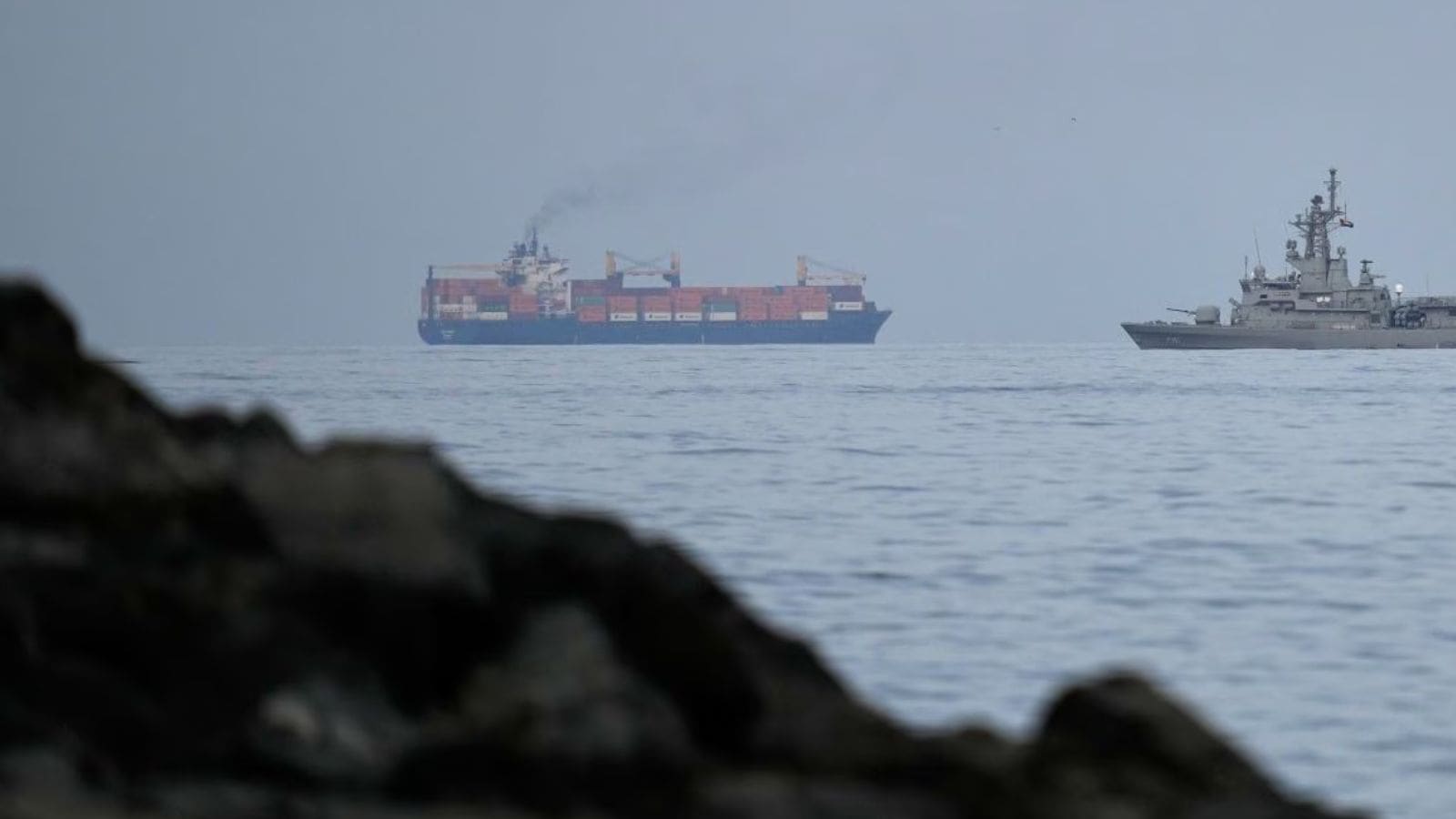
Two Indian-flagged liquefied petroleum gas (LPG) tankers headed to Indian ports transited the critical maritime chokepoint of the Strait of Hormuz safely between Friday night and Saturday, the government announced on Saturday, adding that diplomatic efforts are on to facilitate safe passage for the remaining 22 Indian vessels—many of which are carrying hydrocarbons—that are stuck in the Persian Gulf, which is to the west of the war-hit Strait.
Sources had earlier indicated that India was in discussions with Iran to facilitate safe passage of vessels destined for India, particularly energy tankers, through the Strait. Maritime traffic through the Strait of Hormuz—which usually accounts for a fifth of global oil and liquefied natural gas (LNG) flows and bulk of India’s energy imports—has effectively come to halt since the West Asia military conflict started on February 28. A number of merchant vessels have come under attack in the region in recent days. The conflict began on February 28 with the US and Israel launching military strikes against Iran, and Tehran retaliating by targeting neighbouring Gulf states that house American assets.
The two LPG tankers of the state-owned Shipping Corporation of India (SCI) that crossed the Strait of Hormuz—the narrow waterway between Iran and Oman that connects the Persian Gulf with the Gulf of Oman and the Arabian Sea—are very large gas carriers (VLGCs) Shivalik and Nanda Devi. They are cumulatively carrying 92,700 tonnes of LPG, of which there is short supply in India. The country’s LPG imports have been severely hit by the effective closure of the Strait of Hormuz, forcing New Delhi to cut LPG supplies to commercial and industrial consumers to meet the kitchen fuel needs of over 33 crore households.
Shivalik crossed the fraught waters of the Strait of Hormuz late Friday, as per ship tracking data, and is on its way to Gujarat’s Mundra port, where it is expected to arrive on Monday. Shipping Ministry Special Secretary Rajesh Kumar Sinha informed that Nanda Devi, too, crossed the Strait on Saturday morning, and is likely to reach Kandla port in Gujarat on Tuesday. Both the VLGCs were chartered by government-owned refiner and fuel retailer Indian Oil Corporation, according to industry sources.
Prime Minister Narendra Modi had spoken with Iran’s President Masoud Pezeshkian on Thursday; Modi mentioned “unhindered transit of goods and energy” as one of India’s top priorities. Foreign Minister S Jaishankar has also had multiple conversations with his Iranian counterpart Abbas Araghchi over the past few days, and energy shipments to India from West Asia have featured in those conversations. Ministry of External Affairs (MEA) spokesperson Randhir Jaiswal told reporters that the government continues to be in constant contact with all relevant governments at various political and diplomatic levels and is making efforts to ensure that Indian vessels can achieve safe and unhindered transit to maintain the country’s energy security.
The effective closure of the Strait of Hormuz has created a major headache for India, which depends on imports to meet a bulk of its energy needs. Around 40% of India’s crude oil imports, over 50% of its LNG imports, and a whopping 90% of its LPG imports transited the Strait, making the chokepoint particularly critical for India’s LPG supplies. India’s annual LPG consumption stands at a little over 33 million tonnes, with an import dependency level of 60%. With 90% of India’s LPG imports coming from West Asia, the Strait of Hormuz effectively sees the movement of around 54% of India’s LPG consumption.
Reports had indicated that Iran was earlier allowing only its own oil tankers—headed to China—and Chinese vessels to cross the Strait. But between Wednesday and Thursday, two crude oil tankers—cumulatively carrying roughly 3 million barrels of Saudi Arabian and Iraqi oil—arrived in Indian waters after transiting the Strait of Hormuz. These marked the first known instances of non-Iranian crude oil tankers transiting the critical chokepoint. Now with the crossings by Shivalik and Nanda Devi, there is growing hope of more vessels carrying energy supplies and other important cargo making their way to India, even as the situation in West Asia remains highly volatile and dangerous.
Majority of the Indian vessels that are waiting to cross the Strait of Hormuz to get to India are oil and gas tankers. According to data provided by Sinha, there are six LPG tankers, four crude oil tankers, one liquefied LNG carrier, and one chemical or petroleum products tanker among the 22 Indian vessels in the Persian Gulf. All of these are loaded with energy cargoes. The remaining Indian vessels include three container ships, two bulk carriers, one dredger, and one empty vessel; three other vessels are on dry docks for routine maintenance. In all, these 22 vessels have 611 seafarers, according to Sinha. Three vessels—with 76 seafarers—are also stuck to the east of the Strait of Hormuz.
All Indian seafarers in the region are reported safe, with no untoward incidents reported in the last 24 hours, Sinha said. The Shipping Ministry and the Directorate General of Shipping are closely monitoring the situation in coordination with the MEA, the Indian Navy, and Indian missions. A total of 78 Indian seafarers were on ships that came under attack in the region in recent days; 70 were rescued unharmed, four were injured and are now stable, three died, while one was missing. All these Indian seafarers were on board foreign-flagged vessels, Sinha had informed on Thursday.
Two Indian-flagged liquefied petroleum gas (LPG) tankers headed to Indian ports transited the critical maritime chokepoint of the Strait of Hormuz safely between Friday night and Saturday, the government announced on Saturday, adding that diplomatic efforts are on to facilitate safe passage for the remaining 22 Indian vessels—many of which are carrying hydrocarbons—that are stuck in the Persian Gulf, which is to the west of the war-hit Strait.
Sources had earlier indicated that India was in discussions with Iran to facilitate safe passage of vessels destined for India, particularly energy tankers, through the Strait. Maritime traffic through the Strait of Hormuz—which usually accounts for a fifth of global oil and liquefied natural gas (LNG) flows and bulk of India’s energy imports—has effectively come to halt since the West Asia military conflict started on February 28. A number of merchant vessels have come under attack in the region in recent days. The conflict began on February 28 with the US and Israel launching military strikes against Iran, and Tehran retaliating by targeting neighbouring Gulf states that house American assets.
The two LPG tankers of the state-owned Shipping Corporation of India (SCI) that crossed the Strait of Hormuz—the narrow waterway between Iran and Oman that connects the Persian Gulf with the Gulf of Oman and the Arabian Sea—are very large gas carriers (VLGCs) Shivalik and Nanda Devi. They are cumulatively carrying 92,700 tonnes of LPG, of which there is short supply in India. The country’s LPG imports have been severely hit by the effective closure of the Strait of Hormuz, forcing New Delhi to cut LPG supplies to commercial and industrial consumers to meet the kitchen fuel needs of over 33 crore households.
Shivalik crossed the fraught waters of the Strait of Hormuz late Friday, as per ship tracking data, and is on its way to Gujarat’s Mundra port, where it is expected to arrive on Monday. Shipping Ministry Special Secretary Rajesh Kumar Sinha informed that Nanda Devi, too, crossed the Strait on Saturday morning, and is likely to reach Kandla port in Gujarat on Tuesday. Both the VLGCs were chartered by government-owned refiner and fuel retailer Indian Oil Corporation, according to industry sources.
Prime Minister Narendra Modi had spoken with Iran’s President Masoud Pezeshkian on Thursday; Modi mentioned “unhindered transit of goods and energy” as one of India’s top priorities. Foreign Minister S Jaishankar has also had multiple conversations with his Iranian counterpart Abbas Araghchi over the past few days, and energy shipments to India from West Asia have featured in those conversations. Ministry of External Affairs (MEA) spokesperson Randhir Jaiswal told reporters that the government continues to be in constant contact with all relevant governments at various political and diplomatic levels and is making efforts to ensure that Indian vessels can achieve safe and unhindered transit to maintain the country’s energy security.
The effective closure of the Strait of Hormuz has created a major headache for India, which depends on imports to meet a bulk of its energy needs. Around 40% of India’s crude oil imports, over 50% of its LNG imports, and a whopping 90% of its LPG imports transited the Strait, making the chokepoint particularly critical for India’s LPG supplies. India’s annual LPG consumption stands at a little over 33 million tonnes, with an import dependency level of 60%. With 90% of India’s LPG imports coming from West Asia, the Strait of Hormuz effectively sees the movement of around 54% of India’s LPG consumption.
Reports had indicated that Iran was earlier allowing only its own oil tankers—headed to China—and Chinese vessels to cross the Strait. But between Wednesday and Thursday, two crude oil tankers—cumulatively carrying roughly 3 million barrels of Saudi Arabian and Iraqi oil—arrived in Indian waters after transiting the Strait of Hormuz. These marked the first known instances of non-Iranian crude oil tankers transiting the critical chokepoint. Now with the crossings by Shivalik and Nanda Devi, there is growing hope of more vessels carrying energy supplies and other important cargo making their way to India, even as the situation in West Asia remains highly volatile and dangerous.
Majority of the Indian vessels that are waiting to cross the Strait of Hormuz to get to India are oil and gas tankers. According to data provided by Sinha, there are six LPG tankers, four crude oil tankers, one liquefied LNG carrier, and one chemical or petroleum products tanker among the 22 Indian vessels in the Persian Gulf. All of these are loaded with energy cargoes. The remaining Indian vessels include three container ships, two bulk carriers, one dredger, and one empty vessel; three other vessels are on dry docks for routine maintenance. In all, these 22 vessels have 611 seafarers, according to Sinha. Three vessels—with 76 seafarers—are also stuck to the east of the Strait of Hormuz.
All Indian seafarers in the region are reported safe, with no untoward incidents reported in the last 24 hours, Sinha said. The Shipping Ministry and the Directorate General of Shipping are closely monitoring the situation in coordination with the MEA, the Indian Navy, and Indian missions. A total of 78 Indian seafarers were on ships that came under attack in the region in recent days; 70 were rescued unharmed, four were injured and are now stable, three died, while one was missing. All these Indian seafarers were on board foreign-flagged vessels, Sinha had informed on Thursday.