

India-UK trade pact to come into force on July 15; moves ahead after steel row settled
India, UK have reached a ‘consensus’ to safeguard steel trade, says the Commerce and Industry Ministry
The India-UK trade deal is set to come into effect on July 15 after both countries, during last-minute talks in London this week, resolved differences over the terms of steel trade, which had delayed the implementation of the trade deal. The UK had announced fresh steel curbs in March this year, much after India and the UK had concluded the negotiations last year in July, which added a layer of complexity in trade ties.
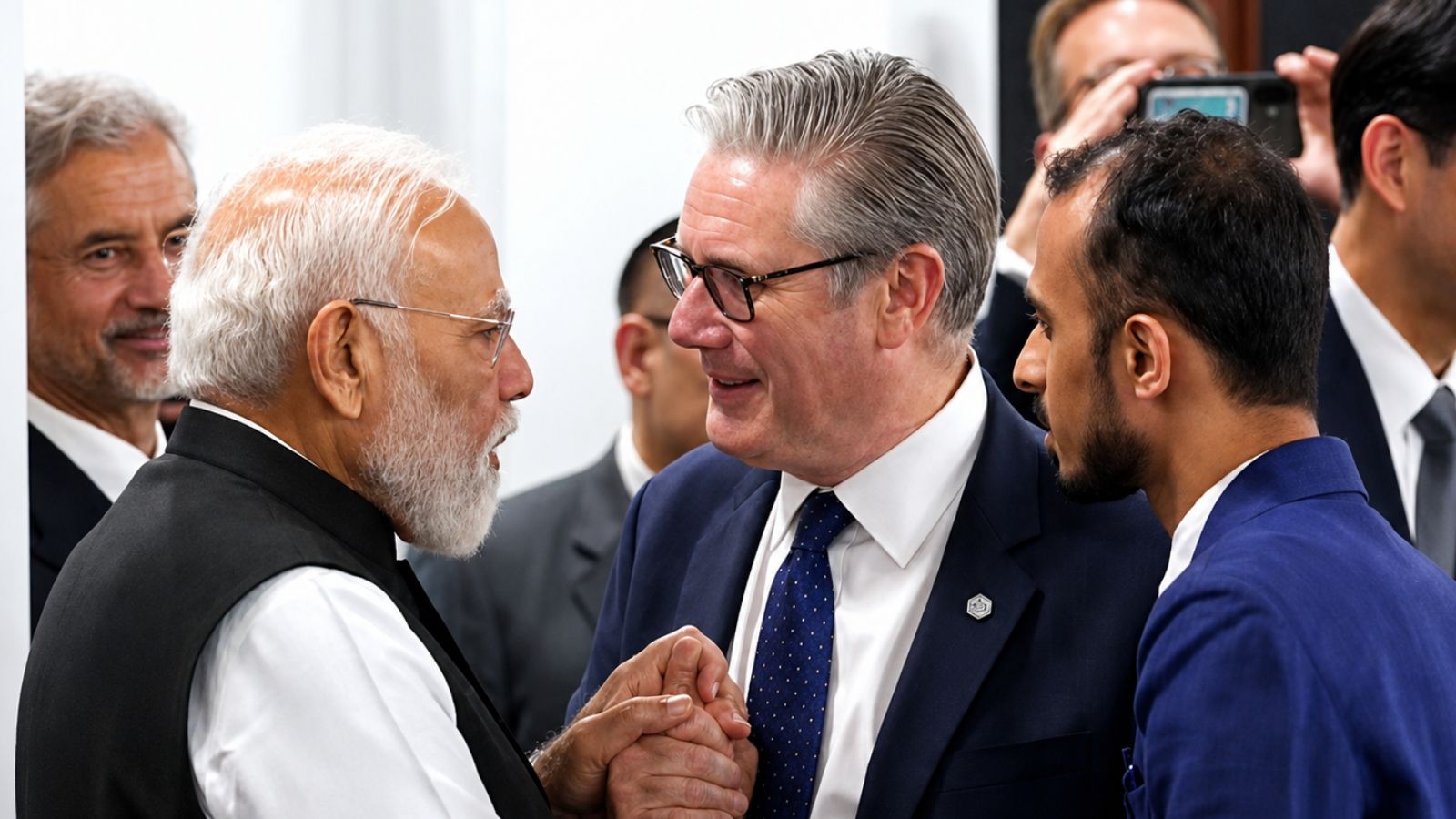
Prime Minister Narendra Modi said the agreement will significantly boost our bilateral trade and investment and will unlock numerous opportunities for Indian farmers, workers and MSMEs. Commerce Minister Piyush Goyal said the deal leverages the country’s manufacturing prowess, service capabilities, and grassroots production directly into one of the world’s premier consumer markets.
On the logjam over steel, the Commerce and Industry Ministry said India and the UK have reached a “consensus” to safeguard steel trade and that India’s steel and steel product exports would be protected through a carveout under three categories — country-specific quota (CSQ), residual quota and Authorised Use Scheme (AUS).
“India and the UK have successfully reached a landmark consensus to safeguard and promote bilateral steel trade. Following constructive deliberations regarding the UK’s upcoming steel measures effective July 1, 2026, both sides mutually agreed to protect commercial interests, minimise market disruptions, and ensure an overall balanced and stable trading environment for exporters. About 85% of India’s exports are out of the steel measures. On the lines under the steel measures, India’s interest has been protected through a mix of CSQ, residual quota and access under AUS,” the ministry said in a statement on Wednesday.
This arrangement means that steel shipments would be allowed in three buckets: one where a dedicated quota would be given to India, under which Indian steel products will not be competing with other countries, a second where goods will face competition and a third where certain specialised steel items required by the UK get quicker access.
The resolution over the UK’s steel curbs assumes significance as the steel industry has told the government that Indian steel exports would decline despite the free trade agreement (FTA). Indian officials had said they would move to restrict UK whiskey exports if Indian interests were hurt due to the curbs. Indian negotiators were in London for steel related negotiations this week, Commerce Secretary Rajesh Agrawal.
UK steel curbs mirror US, EU moves; India seeks export protection
Following similar steps announced by the EU and US, the UK said starting July 1, it would limit tariff-free steel imports by reducing overall quota volumes by 60% for all countries, including those with which it signed an FTA. “Any imports above these levels will then face a 50% tariff. The measure will apply to imports of steel products that can also be made in the UK,” the UK said.
London said that domestic steelmaking is essential to the resilience and security of the UK’s critical national infrastructure and defence supply chains. “Like many other countries, the UK steel industry has been severely impacted by persistent global overcapacity,” the UK said, indicating that the measures were primarily enforced to target China.
The Indian Express on Tuesday reported that India is pushing for a quota which will ensure that India’s steel exports do not fall below $900 million, which is roughly the three-year average Indian exports to the UK.
Industrial exports to the UK were facing two major regulatory impediments, even after concluding the trade negotiations. Officials said the immediate worry is the steel quota because it comes into effect on July 1. It will be followed by the UK’s Carbon Border Adjustment Mechanism (CBAM), set to come into effect on January 1, 2027.
India’s exports of iron and steel and their products to the UK stood at $893.4 million in 2025-26, accounting for a significant share of $13.4 billion in total merchandise exports to the UK.
Trade experts said such measures are typically announced to curb trade diversion from other countries, particularly the EU and the US. Both the EU and the US have also raised tariffs on steel outside quotas to 50%. However, experts pointed out that the UK has limited steel manufacturing capacity
The UK steel sector only accounted for 0.1% of UK economic output in 2024 but supported 37,000 jobs, many in the heartlands of the governing Labour Party, which grew from a trade union movement deeply rooted in Britain’s industrial heritage, as per Reuters. Fresh political challenges have been brewing for Prime Minister Keir Starmer after his Labour Party suffered steep losses in local elections across the country.
The India-UK trade deal is set to come into effect on July 15 after both countries, during last-minute talks in London this week, resolved differences over the terms of steel trade, which had delayed the implementation of the trade deal. The UK had announced fresh steel curbs in March this year, much after India and the UK had concluded the negotiations last year in July, which added a layer of complexity in trade ties.
Prime Minister Narendra Modi said the agreement will significantly boost our bilateral trade and investment and will unlock numerous opportunities for Indian farmers, workers and MSMEs. Commerce Minister Piyush Goyal said the deal leverages the country’s manufacturing prowess, service capabilities, and grassroots production directly into one of the world’s premier consumer markets.
On the logjam over steel, the Commerce and Industry Ministry said India and the UK have reached a “consensus” to safeguard steel trade and that India’s steel and steel product exports would be protected through a carveout under three categories — country-specific quota (CSQ), residual quota and Authorised Use Scheme (AUS).
“India and the UK have successfully reached a landmark consensus to safeguard and promote bilateral steel trade. Following constructive deliberations regarding the UK’s upcoming steel measures effective July 1, 2026, both sides mutually agreed to protect commercial interests, minimise market disruptions, and ensure an overall balanced and stable trading environment for exporters. About 85% of India’s exports are out of the steel measures. On the lines under the steel measures, India’s interest has been protected through a mix of CSQ, residual quota and access under AUS,” the ministry said in a statement on Wednesday.
This arrangement means that steel shipments would be allowed in three buckets: one where a dedicated quota would be given to India, under which Indian steel products will not be competing with other countries, a second where goods will face competition and a third where certain specialised steel items required by the UK get quicker access.
The resolution over the UK’s steel curbs assumes significance as the steel industry has told the government that Indian steel exports would decline despite the free trade agreement (FTA). Indian officials had said they would move to restrict UK whiskey exports if Indian interests were hurt due to the curbs. Indian negotiators were in London for steel related negotiations this week, Commerce Secretary Rajesh Agrawal.
UK steel curbs mirror US, EU moves; India seeks export protection
Following similar steps announced by the EU and US, the UK said starting July 1, it would limit tariff-free steel imports by reducing overall quota volumes by 60% for all countries, including those with which it signed an FTA. “Any imports above these levels will then face a 50% tariff. The measure will apply to imports of steel products that can also be made in the UK,” the UK said.
London said that domestic steelmaking is essential to the resilience and security of the UK’s critical national infrastructure and defence supply chains. “Like many other countries, the UK steel industry has been severely impacted by persistent global overcapacity,” the UK said, indicating that the measures were primarily enforced to target China.
The Indian Express on Tuesday reported that India is pushing for a quota which will ensure that India’s steel exports do not fall below $900 million, which is roughly the three-year average Indian exports to the UK.
Industrial exports to the UK were facing two major regulatory impediments, even after concluding the trade negotiations. Officials said the immediate worry is the steel quota because it comes into effect on July 1. It will be followed by the UK’s Carbon Border Adjustment Mechanism (CBAM), set to come into effect on January 1, 2027.
India’s exports of iron and steel and their products to the UK stood at $893.4 million in 2025-26, accounting for a significant share of $13.4 billion in total merchandise exports to the UK.
Trade experts said such measures are typically announced to curb trade diversion from other countries, particularly the EU and the US. Both the EU and the US have also raised tariffs on steel outside quotas to 50%. However, experts pointed out that the UK has limited steel manufacturing capacity
The UK steel sector only accounted for 0.1% of UK economic output in 2024 but supported 37,000 jobs, many in the heartlands of the governing Labour Party, which grew from a trade union movement deeply rooted in Britain’s industrial heritage, as per Reuters. Fresh political challenges have been brewing for Prime Minister Keir Starmer after his Labour Party suffered steep losses in local elections across the country.