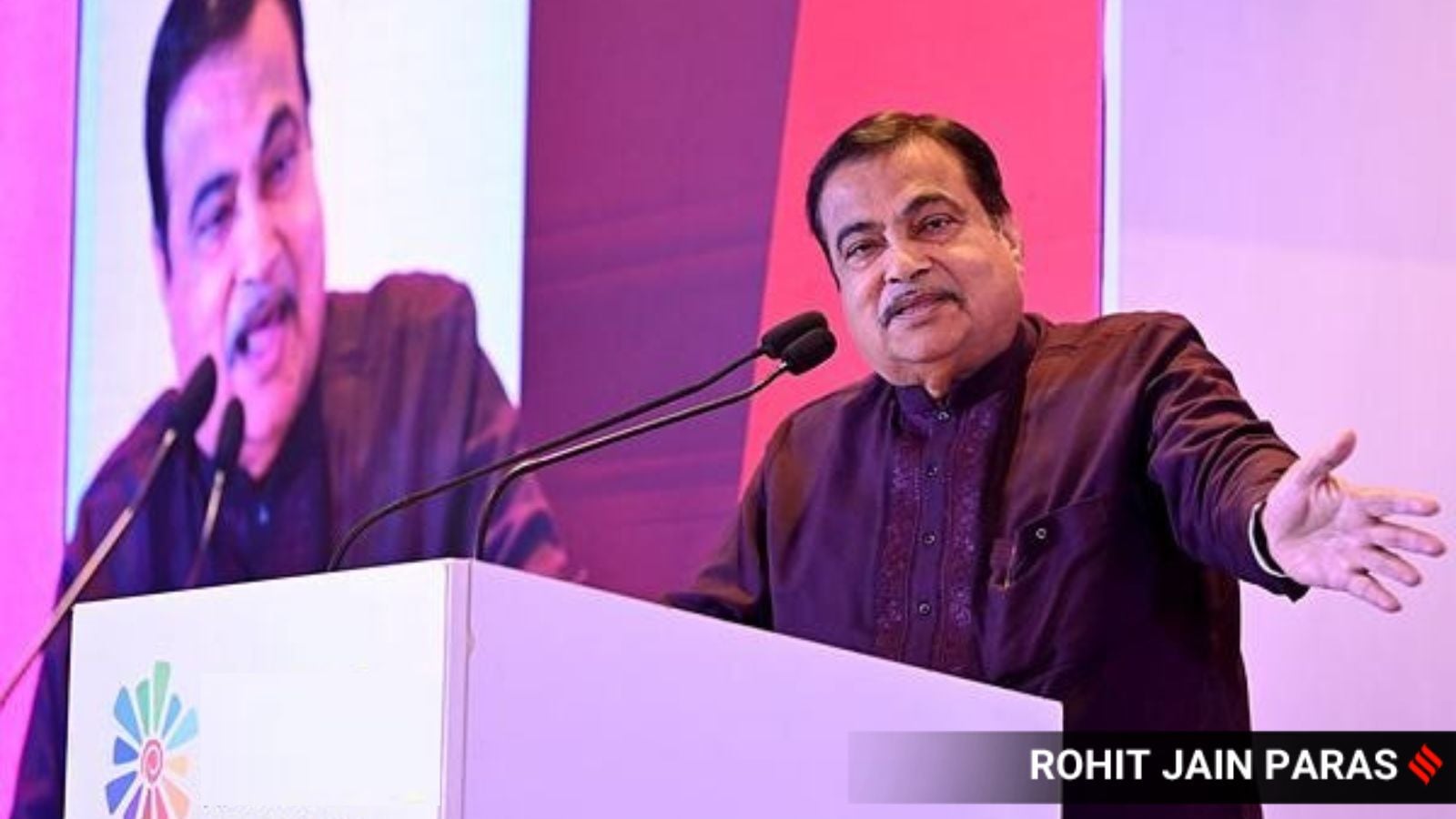


Nitin Gadkari blames faulty DPRs, poor civil engineering for increasing road accidents
Highways Minister Nitin Gadkari said even though there are mistakes, no one is held accountable. "Even small things like the road signages and marking system are very poor in the country."
Union Road Transport and Highways Minister Nitin Gadkari on Thursday said that road accidents and fatalities in India are increasing and “the most important culprits are civil engineers”, substandard detailed project reports (DPRs), consultants, and concessionaires .
In his address at the two-day Global Road Infratech Summit & Expo (GRIS), Gadkari said: “The most important culprits are civil engineers. I do not blame everybody, but after 10 years of my experience, I have come to this conclusion. Culprit are those who are making DPRs. Because of small civil engineering mistakes, there are hundreds of deaths.”
He further said that even though there are mistakes, no one is held accountable. “Even small things like the road signages and marking system are very poor in the country. These can be copied from countries like Spain, Austria and Switzerland and implemented here,” Gadkari said.
He also said that the Indian Road Congress (IRC), the premier body for road & highway standards in India, has become a “pleasure trip organisation”.
“Our people are taking advantage of IRC. It is just a part-time organisation, pleasure trip organisation. You need continuous research and find out what is best available in the world and on the basis of that you have to recommend us. Now my target is how many person I am going to suspend, how many contractors to blacklist…Nobody is ready to rectify the mistakes,” said Gadkari.
He said that the industry and the government should collaborate to find solutions for building safer infrastructure in place of just holding seminars and discussions.
KK Kapila, president-emeritus, International Road Federation (IRF), said that the theme of the summit- “Vision Zero: Sustainable Infratech and Policy for Safer Roads”- represents a holistic approach to road safety, combining the latest technological advancements with innovative practices to create safer roads for everyone.
“By prioritising safety in every aspect of road design, construction, and management, this theme seeks to move towards a future where road accidents become a rarity, ultimately aiming for zero fatalities,” said Kapila.