

Centre likely to remove 11% duty on cotton as prices soar amid West Asia crisis
The duty was last removed between August and September 2025 when steep US tariffs had begun hurting manufacturing and investments
The union government is set to remove the 11% duty on cotton till October to offer relief to the textile manufacturers facing increased input cost from fuel to polyesters in the backdrop of the West Asia crisis, sources aware of the development told The Indian Express.
The duty was last removed between August and September 2025 when steep US tariffs had begun hurting manufacturing and investments.
Industry executives said the price of cotton has surged nearly 10-15% during the last month alone due to hoarding as cotton demand picked up in line with other input materials, particularly polyester. Domestic fuel prices have also begun to rise as the oil marketing companies have started passing on the surge in global crude oil prices to consumers.
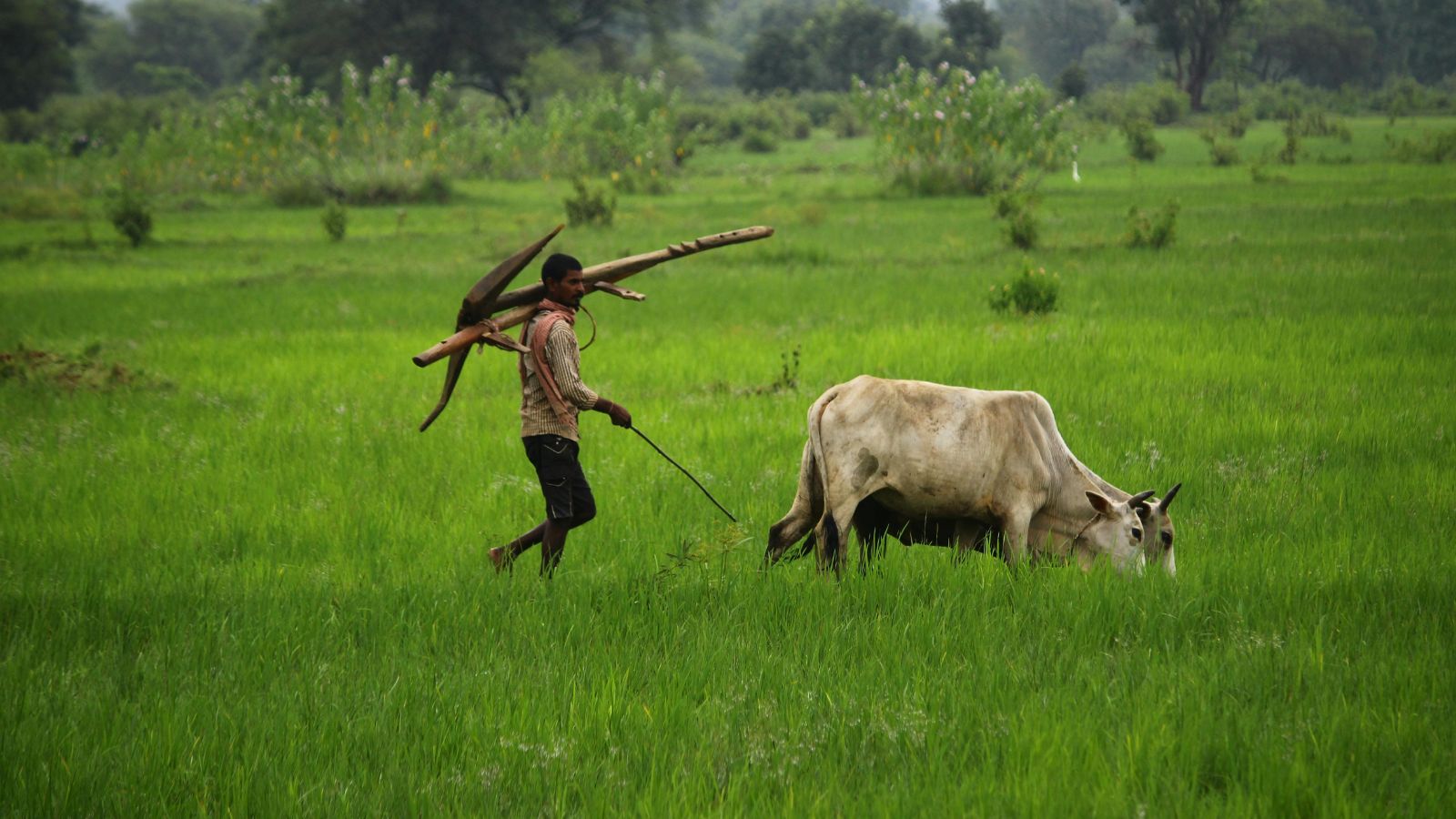
India is the second-largest cotton producer after China, but relies on imports for about 15% of its raw cotton and about 20% of its yarn to meet demand. However, India’s cotton production has been declining due to a range of policy failures. Experts said that cotton production has stagnated for years largely due to a lack of new seeds, modern irrigation facilities, and frequent pest attacks and diseases.
Apparel Export Promotion Council (AEPC) A. Sakthivel had earlier this month asked the government to eliminate the duty due to high cotton prices and rising input costs. In a presentation made to the Finance, Commerce and Industry and Textile Ministry, AEPC said that India has recently entered into several Free Trade Agreements (FTAs), but competing countries have lower input costs.
“Competing apparel exporting nations can access cotton at internationally competitive prices, whereas Indian manufacturers continue to face higher raw material costs due to the prevailing import duty structure. The delegation stated that a reduction in import duty on cotton is essential to help the Indian apparel industry secure greater business opportunities from FTA partner countries and enhance India’s competitiveness in the global market,” AEPC Chairman said in a statement.
Unlike several other competitors, such as Bangladesh and Vietnam, India is one of the largest producers of cotton and farmers’ interests weigh on the duty-related decision. Apparel manufacturers have said some investment that had begun going out of the country due to tariffs has started to come back.
An industry executive who did not wish to be named said the sector is also seeing European investments coming into India as they are trying to diversify away from Bangladesh. “Bangladesh has signed an FTA with the US and is also seeking a deal with the EU, as India’s duty disadvantage will be eliminated soon when the deal comes into effect,” the executive said.
AEPC said that the textile industry’s cotton requirement for the current year is projected at around 337 lakh bales, while cotton arrivals for the 2025-26 season are estimated at only 292.15 lakh bales, resulting in a supply-demand gap of nearly 45 lakh bales. The shortfall is expected to increase pressure on spinning mills and downstream textile industries due to rising input costs and limited availability of quality raw material, the Export Promotion Council said.