

No assessment done on percentage of vehicles fully compliant with E20 petrol, says government
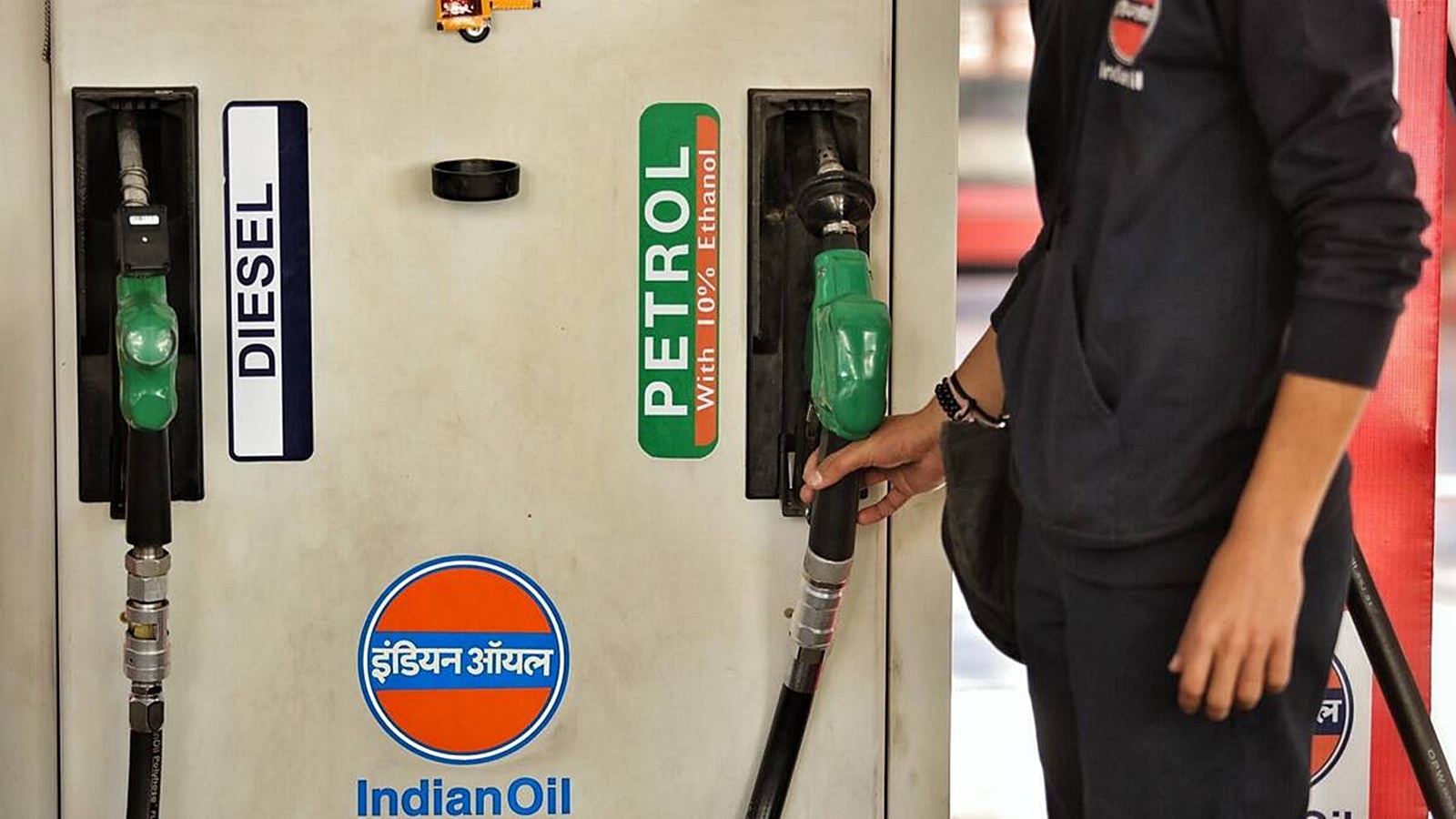
The country achieved 20% ethanol blending in petrol last year and at present, the E20 fuel — 80 parts petrol and 20 parts ethanol — is the standard petrol variant across the country.
No assessment has been done on the percentage of petrol vehicles in India that are fully compliant with E20 fuel, petrol blended with 20% ethanol, the government informed the Parliament on Monday. The information was provided by Minister of State for Petroleum and Natural Gas Suresh Gopi in response to a question in the Rajya Sabha. This comes amid a public backlash on ethanol-blended petrol.
“Ministry of Heavy Industries (MHI) have informed that no such assessment has been done by them,” Gopi said in a written response to a question in the Upper House. The Ministry of Heavy Industries is the nodal ministry for the automobile sector in India.
The country achieved 20% ethanol blending in petrol last year and at present, the E20 fuel — 80 parts petrol and 20 parts ethanol — is the standard petrol variant across the country. There has been a public backlash over the E20 fuel, with claims ranging from notable reduction in mileage and engine component wear and tear in older vehicles whose engines were not designed for higher ethanol blends.
According to auto industry insiders, petrol vehicles manufactured and sold after April 2023 are considered fully E20-compliant as this was mandated under the Bharat Stage 6 (BS6) phase two emission norms. This means that all vehicles currently being sold by manufacturers are fully compliant with E20, but most vehicles that were sold prior to 2023 are not. The permissible life of a petrol vehicle in the National Capital Region (NCR) is 15 years, which means that cars manufactured in 2022 can be in use till 2037, as per the current norms.
According to the government, the E20 fuel can reduce fuel economy by 3-5% in older vehicles whose engines are not designed for this blend, it is cleaner and superior in other performance parameters vis-a-vis pure petrol and lower ethanol-petrol blends.
On its part, the government has been trying to allay fears, saying that the drop in mileage in older vehicles would be marginal, and would be outweighed by the benefits like higher octane rating, superior anti-knock characteristics, faster combustion, better pickup, smoother acceleration and cleaner engine operation. The government has also consistently rejected claims that E20 fuel could damage engine components. Questions were also raised on why motorists aren’t being offered the choice of pure petrol, E10, and E20 fuels, as is the practice in some countries.
Meanwhile, amid the backlash, the government announced that no decision has been taken on raising blending levels beyond the current 20%, and any decision to raise the blending levels will be taken only after detailed studies and stakeholder consultations. There is also no plan to make lower ethanol-petrol blends and pure petrol available at fuel stations.
“With regard to mileage, studies by Government agencies and automobile manufacturers indicate that fuel efficiency is influenced by several factors, including driving conditions, driving habits and vehicle maintenance. Any reduction in fuel economy in certain E10-designed vehicles is generally limited to about 3-5%, while E20 offers a higher-octane rating, superior anti-knock characteristics, cleaner combustion and smoother engine performance,” Gopi said.
“E20 fuel provides better acceleration, improved ride quality and approximately 30% lower carbon emissions compared to E10 fuel. Higher ethanol blends also enable cleaner and more complete combustion, resulting in near-zero particulate matter emissions and improved urban air quality,” the minister added.
India achieved 20% ethanol blending in petrol five years ahead of schedule. The ethanol-petrol blending programme dates back over two decades, but after languishing for about a decade, the programme gathered pace over the past few years as the present government made concerted efforts to ensure sufficient ethanol availability. Average blending rose from about 1.5% in ethanol supply year 2013-14 to 10% in 2021-22, and further to 20% in the 2025-26.
“Ethanol is not a new fuel. It has been used globally for over a century, with countries such as Brazil operating higher ethanol blends for decades. In India, the Ethanol Blended Petrol (EBP) Programme commenced with a pilot in 2001, E5 was introduced in 2006, and although blending remained around 1.53% in 2013-14, it has since been increased progressively in a calibrated manner after creating the necessary production capacity, infrastructure and regulatory framework,” Gopi said.
According to the government, extensive laboratory studies and field trials conducted by the Automotive Research Association of India (ARAI), society of Society of Indian Automobile Manufacturers (SIAM), Indian Oil Corporation (IOC), Indian Institute of Petroleum (IIP) and automobile manufacturers covering parameters such as engine durability, drivability, startability, corrosion resistance, material compatibility, emissions and fuel efficiency confirmed that E20 is safe for use under prescribed standards.
Gopi said that the E20 fuel was rolled out only after successful validation of fuel systems, engine durability, drivability, reasonable material compatibility and emissions performance. These studies also established that legacy vehicles do not exhibit any significant variation in performance or abnormal wear and tear due to E20 fuel usage.
“A leading OEM (original equipment manufacturer) serviced 2.84 crore vehicles during FY 2025-26, including approximately 1.5 crore vehicles that were not originally certified as E20-compatible, and reported no E20-linked corrosion, abnormal wear or reduction in component life. A leading 2-wheeler company has reported similar field experience. One OEM recently stated that data from 1.4 crore E20-operated vehicles tracked over an extended period showed no evidence of ethanol-induced corrosion,” Gopi said.
No assessment has been done on the percentage of petrol vehicles in India that are fully compliant with E20 fuel, petrol blended with 20% ethanol, the government informed the Parliament on Monday. The information was provided by Minister of State for Petroleum and Natural Gas Suresh Gopi in response to a question in the Rajya Sabha. This comes amid a public backlash on ethanol-blended petrol.
“Ministry of Heavy Industries (MHI) have informed that no such assessment has been done by them,” Gopi said in a written response to a question in the Upper House. The Ministry of Heavy Industries is the nodal ministry for the automobile sector in India.
The country achieved 20% ethanol blending in petrol last year and at present, the E20 fuel — 80 parts petrol and 20 parts ethanol — is the standard petrol variant across the country. There has been a public backlash over the E20 fuel, with claims ranging from notable reduction in mileage and engine component wear and tear in older vehicles whose engines were not designed for higher ethanol blends.
According to auto industry insiders, petrol vehicles manufactured and sold after April 2023 are considered fully E20-compliant as this was mandated under the Bharat Stage 6 (BS6) phase two emission norms. This means that all vehicles currently being sold by manufacturers are fully compliant with E20, but most vehicles that were sold prior to 2023 are not. The permissible life of a petrol vehicle in the National Capital Region (NCR) is 15 years, which means that cars manufactured in 2022 can be in use till 2037, as per the current norms.
According to the government, the E20 fuel can reduce fuel economy by 3-5% in older vehicles whose engines are not designed for this blend, it is cleaner and superior in other performance parameters vis-a-vis pure petrol and lower ethanol-petrol blends.
On its part, the government has been trying to allay fears, saying that the drop in mileage in older vehicles would be marginal, and would be outweighed by the benefits like higher octane rating, superior anti-knock characteristics, faster combustion, better pickup, smoother acceleration and cleaner engine operation. The government has also consistently rejected claims that E20 fuel could damage engine components. Questions were also raised on why motorists aren’t being offered the choice of pure petrol, E10, and E20 fuels, as is the practice in some countries.
Meanwhile, amid the backlash, the government announced that no decision has been taken on raising blending levels beyond the current 20%, and any decision to raise the blending levels will be taken only after detailed studies and stakeholder consultations. There is also no plan to make lower ethanol-petrol blends and pure petrol available at fuel stations.
“With regard to mileage, studies by Government agencies and automobile manufacturers indicate that fuel efficiency is influenced by several factors, including driving conditions, driving habits and vehicle maintenance. Any reduction in fuel economy in certain E10-designed vehicles is generally limited to about 3-5%, while E20 offers a higher-octane rating, superior anti-knock characteristics, cleaner combustion and smoother engine performance,” Gopi said.
“E20 fuel provides better acceleration, improved ride quality and approximately 30% lower carbon emissions compared to E10 fuel. Higher ethanol blends also enable cleaner and more complete combustion, resulting in near-zero particulate matter emissions and improved urban air quality,” the minister added.
India achieved 20% ethanol blending in petrol five years ahead of schedule. The ethanol-petrol blending programme dates back over two decades, but after languishing for about a decade, the programme gathered pace over the past few years as the present government made concerted efforts to ensure sufficient ethanol availability. Average blending rose from about 1.5% in ethanol supply year 2013-14 to 10% in 2021-22, and further to 20% in the 2025-26.
“Ethanol is not a new fuel. It has been used globally for over a century, with countries such as Brazil operating higher ethanol blends for decades. In India, the Ethanol Blended Petrol (EBP) Programme commenced with a pilot in 2001, E5 was introduced in 2006, and although blending remained around 1.53% in 2013-14, it has since been increased progressively in a calibrated manner after creating the necessary production capacity, infrastructure and regulatory framework,” Gopi said.
According to the government, extensive laboratory studies and field trials conducted by the Automotive Research Association of India (ARAI), society of Society of Indian Automobile Manufacturers (SIAM), Indian Oil Corporation (IOC), Indian Institute of Petroleum (IIP) and automobile manufacturers covering parameters such as engine durability, drivability, startability, corrosion resistance, material compatibility, emissions and fuel efficiency confirmed that E20 is safe for use under prescribed standards.
Gopi said that the E20 fuel was rolled out only after successful validation of fuel systems, engine durability, drivability, reasonable material compatibility and emissions performance. These studies also established that legacy vehicles do not exhibit any significant variation in performance or abnormal wear and tear due to E20 fuel usage.
“A leading OEM (original equipment manufacturer) serviced 2.84 crore vehicles during FY 2025-26, including approximately 1.5 crore vehicles that were not originally certified as E20-compatible, and reported no E20-linked corrosion, abnormal wear or reduction in component life. A leading 2-wheeler company has reported similar field experience. One OEM recently stated that data from 1.4 crore E20-operated vehicles tracked over an extended period showed no evidence of ethanol-induced corrosion,” Gopi said.