

A year after AI 171 crash, no final report; AAIB says probe still underway
AAIB assured that it was committed to a “thorough, independent, objective, and evidence-based” investigation, but didn’t comment on when the final report would be released
The wait for answers to what really caused the Air India flight AI 171 to crash in Ahmedabad last year has grown longer. The investigation into the deadly Boeing 787-8 accident that claimed 260 lives has not concluded yet and the analysis of the gathered evidence and various tests is still on, the Aircraft Accident Investigation Bureau (AAIB) said on Friday, the first anniversary of one of India’s worst-ever aviation disasters. The probe agency also assured that it was committed to a “thorough, independent, objective, and evidence-based” investigation, but didn’t comment on when the final report would be released.
On Friday, the AAIB issued an interim statement on the progress of the probe, which is prescribed under international norms if the final investigation report is not ready within a year of the accident. Shortly before the AAIB statement, Civil Aviation Minister Ram Mohan Naidu posted on X that the probe was still on, confirming that the final report was still elusive, something that had been indicated by sources in recent weeks. According to officials in the know, the final report may take a few months more. Complex air crash investigations can, in some cases, take multiple years.
“Over the past year, the investigation team has undertaken an extensive and rigorous examination of all relevant technical, operational, organisational and human factors associated with the accident. This effort has been supported by accredited representatives, technical advisers and subject matter experts from relevant organisations. Significant progress has been made in the examination and analysis of aircraft systems, flight recorder data, engine-related components, maintenance and operational records, and other evidence relevant to the investigation,” the AAIB said, without going into specifics.
“The evidence gathered and the results of various examinations are currently being analysed in a comprehensive and integrated manner. Additional technical evaluations and specialist examinations, wherever considered necessary, will continue to be undertaken to ensure that all findings and conclusions are supported by verified evidence and sound scientific analysis. The AAIB remains firmly committed to conducting a thorough, independent, objective and evidence-based investigation,” it added.
According to the agency, the final report will be released upon “completion of all investigative activities and the requisite international review and consultation processes prescribed under” International Civil Aviation Organization (ICAO) Annex 13, but did not provide a timeline for the final report. ICAO Annex 13 lists international standards and recommended practices for aircraft accident investigations.
“Today, as we mark one year since the tragic Air India Flight AI-171 accident, we remember with profound sorrow those who lost their lives and extend our heartfelt condolences to their families and loved ones. The investigation continues with diligence and professionalism in accordance with established national and international procedures. We remain committed to a thorough and objective determination of the causes of the accident and to further enhancing aviation safety,” Naidu posted on X.
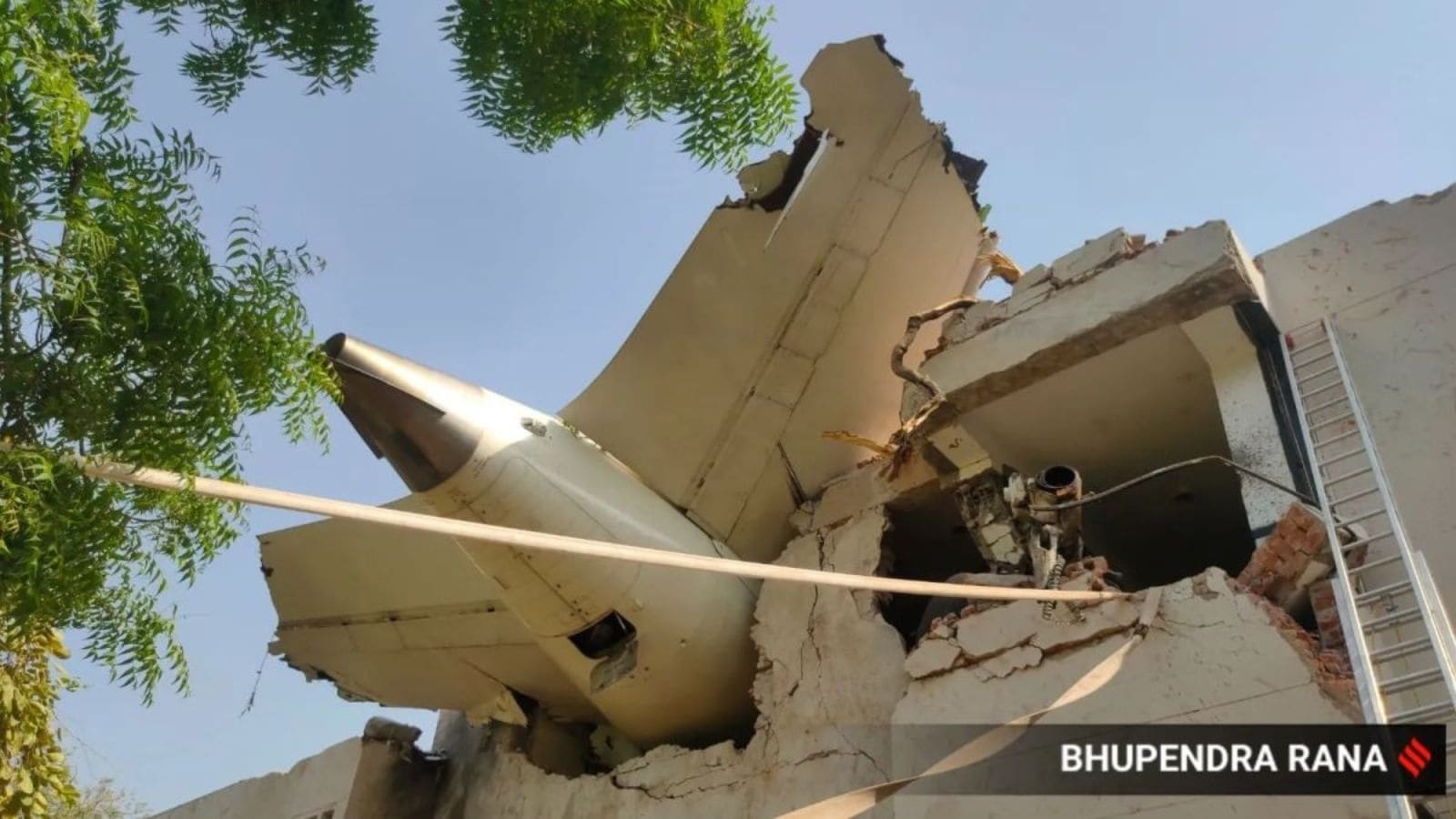
On June 12, 2025, an Air India Boeing 787-8—registered as VT-ANB—operating flight AI 171 from Ahmedabad to London Gatwick, crashed shortly after take-off, claiming the lives of 241 of the 242 people on board and another 19 on the ground. It was the worst aviation disaster involving an Indian airliner in four decades.
International guidelines prescribe that final reports in air crash probes should be released, if possible, within a year of the accident. If that is not possible, the “State conducting the investigation shall make an interim statement publicly available on each anniversary of the occurrence, detailing the progress of the investigation and any safety issues raised,” says ICAO Annex 13.
The two primary theories about the likely causes of the Boeing 787-8 crash include pilot action—first widely reported in Western media—and a catastrophic electrical or systems failure, which has found support among India’s pilot community, a section of aviation safety experts, and even a few Boeing whistleblowers. The trigger for the crash, as identified in the AAIB’s preliminary report released after a month of the accident, was the transitioning of both the engine fuel control switches from RUN to CUTOFF position almost immediately after liftoff from the Ahmedabad airport runway.
How did the switches—which control the flow of jet fuel to the engines—transition and whether this was done by a pilot, or happened due to a major electrical or systems issue, are the critical questions that are on the minds of the victims’ kin, the global aviation community and stakeholders, and the travelling public at large.
The preliminary report mentioned that in the cockpit voice recording, one of the pilots was heard asking the other why did he cut off, to which the other pilot responded saying he did not. There has been speculation on whether the switches were flipped by one of the pilots—inadvertently or otherwise—or whether the transition signal to the system was due to a technical, mechanical or software issue. The AAIB report did not actually state that either of the pilots physically flipped the switches, just that they transitioned from RUN to CUTOFF.
As the preliminary report didn’t include the detailed transcript of the pilots’ conversation, the paraphrased selective exchange it quoted had many believing that it implicitly pointed a finger at the flight crew, particularly the flight’s captain Sumeet Sabharwal, a highly experienced pilot. Pilot suicide theories also started doing rounds, despite assurances from the AAIB and the government that all aspects and possible causes were being thoroughly examined.
Even months after the crash and the publication of the preliminary report, some Western news outlets reported that the probe is purportedly zeroing in on deliberate action by one of the pilots. As recently as February, the AAIB pushed back publicly against the narrative that it has sufficiently established deliberate pilot action as the cause of the crash. On the first anniversary of the crash, the AAIB reiterated its appeal against speculation over the crash’s cause.
“The sole purpose of an accident investigation is to enhance aviation safety through the identification of lessons and safety recommendations, and not to apportion blame or liability. Accordingly, AAIB urges all stakeholders, including the media and the public, to refrain from speculation or premature conclusions while the investigation remains in progress,” the AAIB said.
In fact, amid speculation that the AAIB could come out with an interim report with additional details about the accident on the first crash anniversary, pilots’ body Federation of Indian Pilots (FIP) urged the probe agency to not issue any interim report and only issue the final report when it is ready. The pilots’ association felt that an interim report, while the investigation is still on, could fuel conspiracy theories and speculation, something that was evident after the preliminary report was released last July.
“It is earnestly requested that the ICAO Annex 13 does not stipulate that the investigative agency needs to submit an ‘INTERIM REPORT’. The INTERIM REPORT will lead to greater confusion and speculations. Such an action could be detrimental to the investigations being done by the AAIB. Moreover, such a report cannot be conclusive due to further investigations being carried out. Thus, please do not take out the INTERIM REPORT in the overall interest of SAFETY,” FIP President CS Randhawa wrote in a June 5 letter to AAIB Director General GVG Yugandhar.
Pilot bodies raised strong objections to the preliminary report and the insinuations that followed, as did some aviation experts. The FIP and Sumeet Sabharwal’s father Pushkar Raj Sabharwal even filed a writ petition in the Supreme Court, challenging the fairness of the AAIB probe, apart from demanding that the government should initiate a judicial investigation into the crash, instead of relying on the AAIB probe.
Some aviation safety experts and pilot associations have said that the accident appeared to be a result of a catastrophic electrical or systems failure, and those possibilities must be investigated thoroughly. Some safety experts have claimed that their independent analysis suggests that the aircraft may have suffered a major electrical failure as it took off, which could have shut fuel supply to the engines, and the flight data recorder would have recorded it as the fuel control switches moving to the CUTOFF position even if they didn’t actually move physically.
The wait for answers to what really caused the Air India flight AI 171 to crash in Ahmedabad last year has grown longer. The investigation into the deadly Boeing 787-8 accident that claimed 260 lives has not concluded yet and the analysis of the gathered evidence and various tests is still on, the Aircraft Accident Investigation Bureau (AAIB) said on Friday, the first anniversary of one of India’s worst-ever aviation disasters. The probe agency also assured that it was committed to a “thorough, independent, objective, and evidence-based” investigation, but didn’t comment on when the final report would be released.
On Friday, the AAIB issued an interim statement on the progress of the probe, which is prescribed under international norms if the final investigation report is not ready within a year of the accident. Shortly before the AAIB statement, Civil Aviation Minister Ram Mohan Naidu posted on X that the probe was still on, confirming that the final report was still elusive, something that had been indicated by sources in recent weeks. According to officials in the know, the final report may take a few months more. Complex air crash investigations can, in some cases, take multiple years.
“Over the past year, the investigation team has undertaken an extensive and rigorous examination of all relevant technical, operational, organisational and human factors associated with the accident. This effort has been supported by accredited representatives, technical advisers and subject matter experts from relevant organisations. Significant progress has been made in the examination and analysis of aircraft systems, flight recorder data, engine-related components, maintenance and operational records, and other evidence relevant to the investigation,” the AAIB said, without going into specifics.
“The evidence gathered and the results of various examinations are currently being analysed in a comprehensive and integrated manner. Additional technical evaluations and specialist examinations, wherever considered necessary, will continue to be undertaken to ensure that all findings and conclusions are supported by verified evidence and sound scientific analysis. The AAIB remains firmly committed to conducting a thorough, independent, objective and evidence-based investigation,” it added.
According to the agency, the final report will be released upon “completion of all investigative activities and the requisite international review and consultation processes prescribed under” International Civil Aviation Organization (ICAO) Annex 13, but did not provide a timeline for the final report. ICAO Annex 13 lists international standards and recommended practices for aircraft accident investigations.
“Today, as we mark one year since the tragic Air India Flight AI-171 accident, we remember with profound sorrow those who lost their lives and extend our heartfelt condolences to their families and loved ones. The investigation continues with diligence and professionalism in accordance with established national and international procedures. We remain committed to a thorough and objective determination of the causes of the accident and to further enhancing aviation safety,” Naidu posted on X.
On June 12, 2025, an Air India Boeing 787-8—registered as VT-ANB—operating flight AI 171 from Ahmedabad to London Gatwick, crashed shortly after take-off, claiming the lives of 241 of the 242 people on board and another 19 on the ground. It was the worst aviation disaster involving an Indian airliner in four decades.
International guidelines prescribe that final reports in air crash probes should be released, if possible, within a year of the accident. If that is not possible, the “State conducting the investigation shall make an interim statement publicly available on each anniversary of the occurrence, detailing the progress of the investigation and any safety issues raised,” says ICAO Annex 13.
The two primary theories about the likely causes of the Boeing 787-8 crash include pilot action—first widely reported in Western media—and a catastrophic electrical or systems failure, which has found support among India’s pilot community, a section of aviation safety experts, and even a few Boeing whistleblowers. The trigger for the crash, as identified in the AAIB’s preliminary report released after a month of the accident, was the transitioning of both the engine fuel control switches from RUN to CUTOFF position almost immediately after liftoff from the Ahmedabad airport runway.
How did the switches—which control the flow of jet fuel to the engines—transition and whether this was done by a pilot, or happened due to a major electrical or systems issue, are the critical questions that are on the minds of the victims’ kin, the global aviation community and stakeholders, and the travelling public at large.
The preliminary report mentioned that in the cockpit voice recording, one of the pilots was heard asking the other why did he cut off, to which the other pilot responded saying he did not. There has been speculation on whether the switches were flipped by one of the pilots—inadvertently or otherwise—or whether the transition signal to the system was due to a technical, mechanical or software issue. The AAIB report did not actually state that either of the pilots physically flipped the switches, just that they transitioned from RUN to CUTOFF.
As the preliminary report didn’t include the detailed transcript of the pilots’ conversation, the paraphrased selective exchange it quoted had many believing that it implicitly pointed a finger at the flight crew, particularly the flight’s captain Sumeet Sabharwal, a highly experienced pilot. Pilot suicide theories also started doing rounds, despite assurances from the AAIB and the government that all aspects and possible causes were being thoroughly examined.
Even months after the crash and the publication of the preliminary report, some Western news outlets reported that the probe is purportedly zeroing in on deliberate action by one of the pilots. As recently as February, the AAIB pushed back publicly against the narrative that it has sufficiently established deliberate pilot action as the cause of the crash. On the first anniversary of the crash, the AAIB reiterated its appeal against speculation over the crash’s cause.
“The sole purpose of an accident investigation is to enhance aviation safety through the identification of lessons and safety recommendations, and not to apportion blame or liability. Accordingly, AAIB urges all stakeholders, including the media and the public, to refrain from speculation or premature conclusions while the investigation remains in progress,” the AAIB said.
In fact, amid speculation that the AAIB could come out with an interim report with additional details about the accident on the first crash anniversary, pilots’ body Federation of Indian Pilots (FIP) urged the probe agency to not issue any interim report and only issue the final report when it is ready. The pilots’ association felt that an interim report, while the investigation is still on, could fuel conspiracy theories and speculation, something that was evident after the preliminary report was released last July.
“It is earnestly requested that the ICAO Annex 13 does not stipulate that the investigative agency needs to submit an ‘INTERIM REPORT’. The INTERIM REPORT will lead to greater confusion and speculations. Such an action could be detrimental to the investigations being done by the AAIB. Moreover, such a report cannot be conclusive due to further investigations being carried out. Thus, please do not take out the INTERIM REPORT in the overall interest of SAFETY,” FIP President CS Randhawa wrote in a June 5 letter to AAIB Director General GVG Yugandhar.
Pilot bodies raised strong objections to the preliminary report and the insinuations that followed, as did some aviation experts. The FIP and Sumeet Sabharwal’s father Pushkar Raj Sabharwal even filed a writ petition in the Supreme Court, challenging the fairness of the AAIB probe, apart from demanding that the government should initiate a judicial investigation into the crash, instead of relying on the AAIB probe.
Some aviation safety experts and pilot associations have said that the accident appeared to be a result of a catastrophic electrical or systems failure, and those possibilities must be investigated thoroughly. Some safety experts have claimed that their independent analysis suggests that the aircraft may have suffered a major electrical failure as it took off, which could have shut fuel supply to the engines, and the flight data recorder would have recorded it as the fuel control switches moving to the CUTOFF position even if they didn’t actually move physically.