

Air India CEO targets Rs 6,000 crore in cost savings, plans deeper integration with Air India Express
The new CEO also indicated plans for Air India to enter the dedicated freighter business to capitalise on air cargo opportunities, and even an in-house tour operator unit to offer package tours.
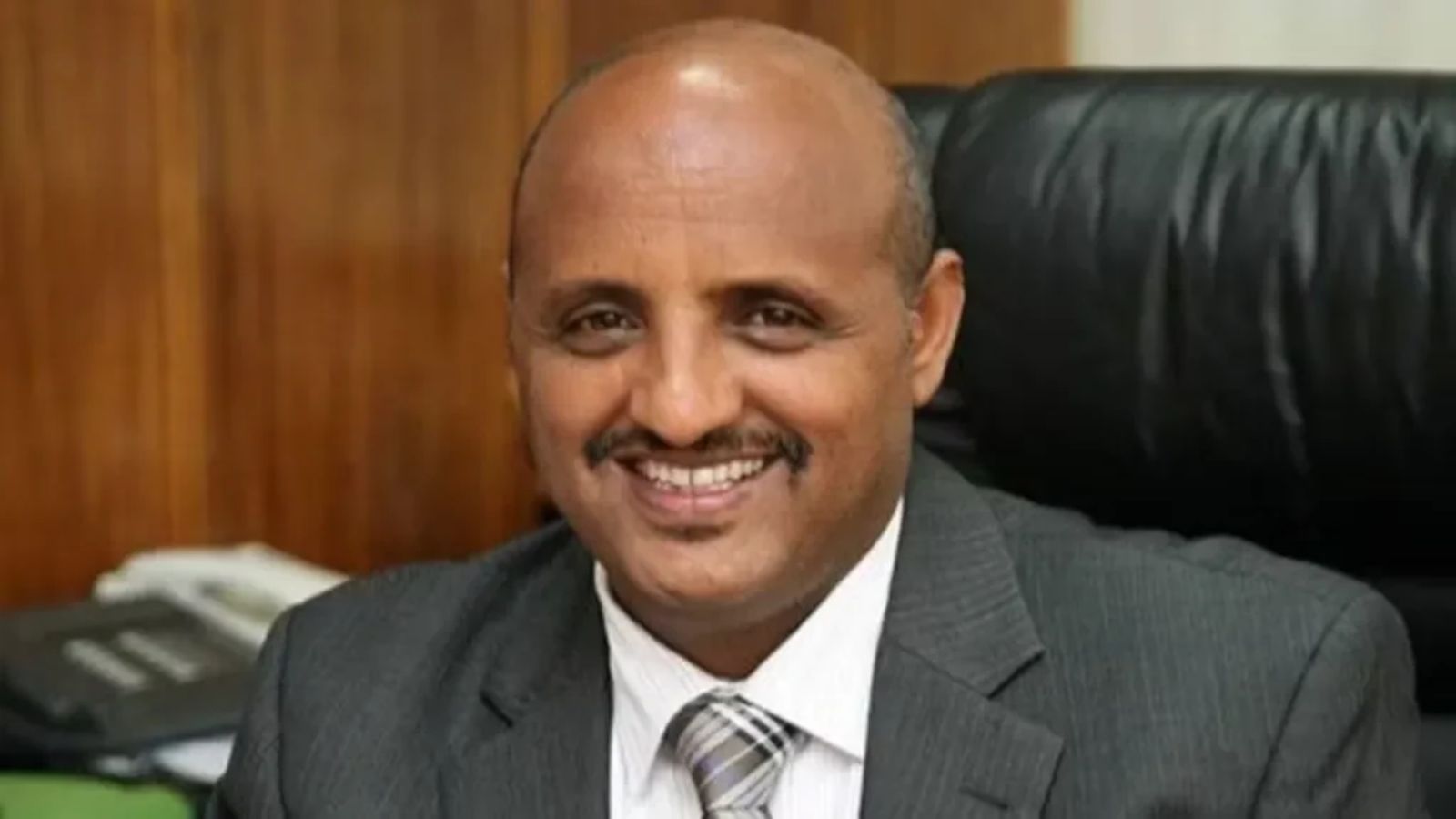
Emphasising that achieving profitability is the top priority for the Air India group amid industry-wise cost pressures, Air India MD and CEO Tewolde Gebremariam told employees that the group is targeting Rs 6,000 crore in cost savings and has made significant progress on cutting costs and improving revenues in recent months, according to sources in the know.
Addressing employees across the Air India group during a townhall on Wednesday, Gebremariam — who took charge as Air India CEO on October 1 — outlined progress made over the past three months and set out the airline’s priorities for improving operations, profitability, growth, and enhancing integration between Air India and Air India Express, as per sources.
The new CEO also indicated plans for Air India to enter the dedicated freighter business to capitalise on air cargo opportunities, and even an in-house tour operator unit to offer package tours. According to Gebremariam, both the endeavours have the potential to become sizable businesses in their own right.
Cost optimisation and savings have been a top agenda item for Gebremariam, who is focussed on making the loss-making airline profitable. He is learnt to have told staff that the airline has established a dedicated cost transformation programme led by a team of senior leaders and has already received more than 1,500 employee suggestions on improving efficiency and reducing costs.
“Cost discipline is not a one-time exercise. It must become part of our culture,” he is learnt to have told employees, noting that meaningful savings can come from both major initiatives and everyday operational decisions. Meanwhile, the airline continues to focus on growing revenue through network optimisation, improved product offerings, and new business opportunities.
Speaking on the Rs 6,000-crore cost-saving aim, Gebremariam told employees that potential cost savings worth Rs 3,500 have been identified and the group has already achieved about Rs 1,500 crore worth of cost savings, as per sources. He told staff that while results are encouraging, there is still a long way to go for the Air India group to become profitable.
“October and November have been encouraging. In some areas, load factors have grown, while in others yields have improved. Overall, RASK (revenue per available seat kilometre) is increasing. We are making progress,” he is learnt to have said.
In the face of various challenges — which include external headwinds like airspace closures and surging jet fuel prices, as well as the impact of last year’s devastating crash of flight AI 171 — Air India posted a consolidated loss of over Rs 22,000 crore in 2025-26, more than double of its loss in the previous financial year. Amid the crises, Air India is also seeking about $1.5 billion from shareholders Tata Sons and Singapore Airlines, it is learnt.
Since taking charge, Gebremariam has already set up a cross-functional cost-savings team and announced some cost-optimisation measures. He is also actively pursuing deeper integration and operational synergy between Air India and its budget airline arm Air India Express to curb widening financial losses.
Gebremariam told staff that Air India and Air India Express would increasingly operate as one airline at the back-end, to the extent possible, while operating as two separate airlines with different Air Operator Certificates (AOCs), according to sources in the know. This would mean that customer-facing, operational, and regulatory functions will remain separate — as required by separate AOCs — while back-office functions like finance, human resources, information technology will be a lot more integrated at the group level.
Speaking to employees, Tewolde is learnt to have said that Air India’s focus remains on delivering the fundamentals of airline operations consistently — safe and clean aircraft, on-time departures and arrivals, reliable baggage handling, and customer-friendly service. He also noted that over the past three months, Air India has significantly improved its operational performance, particularly the on-time performance (OTP) of its flights.
Given the Pakistani airspace closure and airspace disruptions in the Gulf region due to the West Asia war, Air India is looking to rebalance its network and flight distribution between its Delhi and Mumbai hubs. Delhi is Air India’s primary hub, but has been impacted due to the airspace-related issues to the west of India. According to Gebremariam, the airline is now looking to have a larger concentration of flights to Europe and North America from Mumbai, as routes from there are not as significantly impacted by airspace disruptions. On the other hand, geographies unaffected by airspace issues — like Southeast Asia, East Asia, Australia — could see growth in operations from Delhi. Air India is also looking at building Bengaluru as a third hub.
Gebremariam has taken over the reins at Air India at a crucial juncture for the airline, which faces various challenges while pursuing a highly ambitious transformation programme. Earlier in his career, the aviation veteran oversaw one of most successful long-term transformations in the industry. Under his leadership, Ethiopian Airlines transformed into a global airline and the largest carrier in Africa, and turned Addis Ababa into a major aviation hub.
Gebremariam has a track record of driving sustained profitability while navigating complex economic cycles and dynamic and challenging global markets — experience that is particularly relevant for Air India. He will be steering the loss-laden airline through the next phase of its transformation programme. Under outgoing CEO Campbell Wilson — Air India’s first post-privatisation chief executive — the carrier embarked upon a journey to shrug off its legacy image of a rundown government-owned airline.
Despite numerous challenges, the foundational parts of its transformation plan have already been executed under Wilson’s watch. A new brand identity is in place, group airlines have been consolidated into two from four, synergies in their networks and operations has gone up considerably, massive aircraft orders are in place to ensure a steady stream of new jets, a large number of its legacy jets have been given modern cabins and more are being retrofitted, heavy investments have been made in technology and other key areas, and hiring for key operational roles is being done on a continuous basis.