

Hours after ceasefire, Indian Embassy in Iran asks its nationals to leave country
This is the second advisory issued by the embassy since April 7, after US President Donald Trump had vowed to bomb Iran's power plants and bridges.
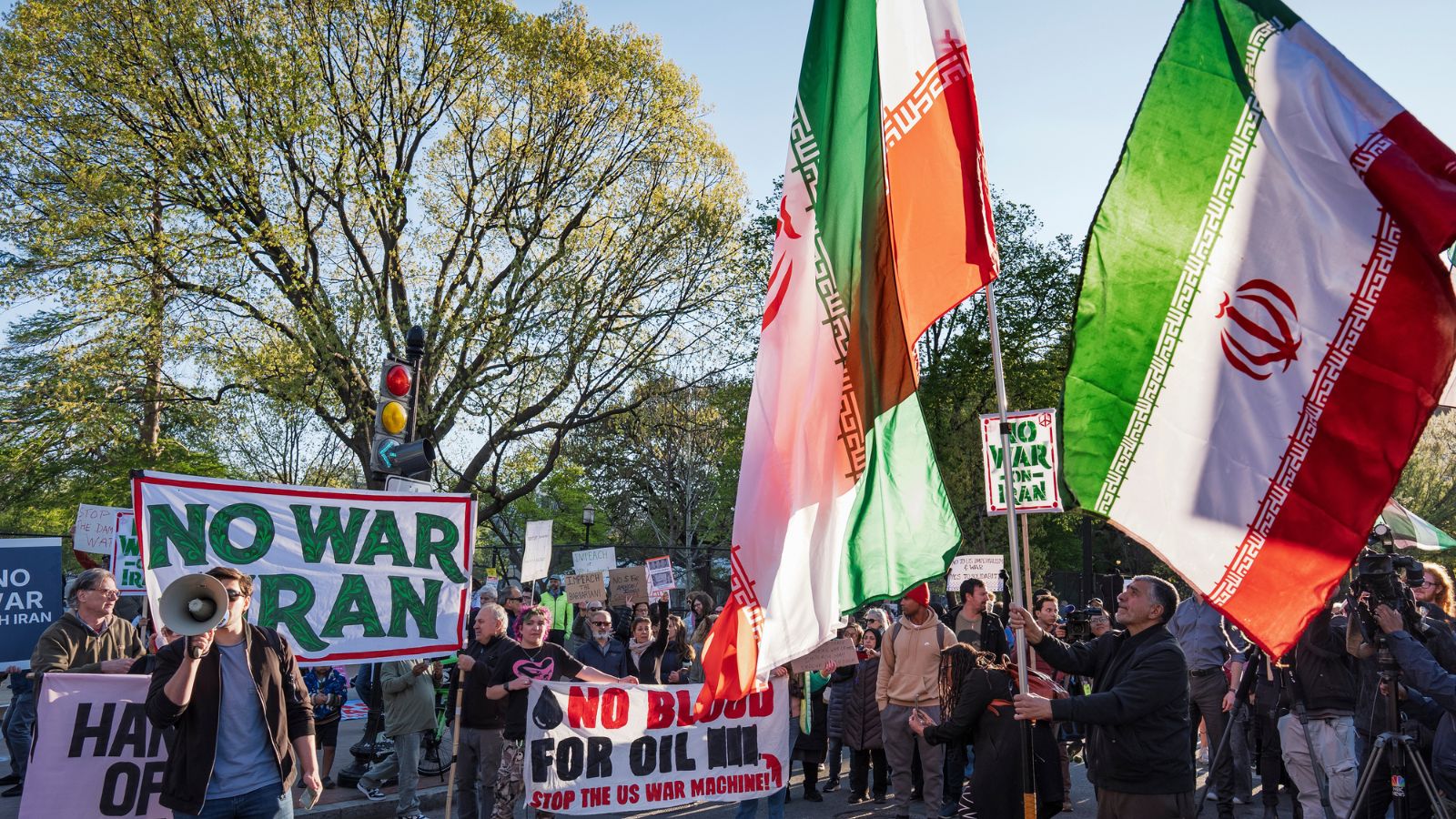
Hours after the ceasefire announcement, the Indian Embassy in Tehran on Wednesday issued a fresh advisory, its 7th since February 28 when the war began, asking its nationals to “expeditiously” leave the war-torn country. It also launched a new helpline number to accelerate the process. The sense, as per those monitoring the developments, is to use the window of ceasefire to exit in case things flare up again.
Officials said around 7,500 Indian nationals still remain in Iran. As of yesterday, the Embassy has facilitated the exit of 1,864 Indians (935 students and 472 fishermen) from Iran through the land border with Armenia and Azerbaijan.
Meanwhile, many of those who have returned from Iran are circumspect about the possibility of returning any time soon. “We want to be sure the conflict is over and it’s safe to live in Tehran once again,” said a 22-year-old student from Bandipora who returned last week. The student added that since colleges are shut anyway, there is no point seeking to go back to Tehran.
As per the new advisory, the embassy stressed that nationals must coordinate closely with officials and use only the designated routes suggested for safe evacuation.
The new advisory also has strict instructions on movement, asking Indian citizens not to approach any international land border on their own without prior approval.
“All movement must be coordinated with the embassy to ensure safety,” officials said, highlighting the risks still present despite the ceasefire announcement.
In fact, after India worked out arrangements with neighbouring Armenia and Azerbaijan to help its nationals exit Iran, there has been a steady trickle of Indians coming back via commercial flights from Baku and Yerevan.
As per Nasir Khuehami, convener of the J&K students association, around 1,900 of the 2,200 Indian students have returned over the last three weeks. “On Wednesday, 12 students had returned from Armenia, while some more are in the transit corridors in Iran,” he adds.
The first batch of Indian nationals stranded in Iran had arrived in New Delhi on March 15, on a special commercial flight via Armenia. The flight carried 70 students — mostly from J&K — and some pilgrims.
Around 9,000 Indian citizens, mostly students, were present in Iran when the conflict started on February 28. Most of them come from J&K, while some are from Uttar Pradesh and other states. They were primarily located in two Iranian cities — Tehran, which has come under heavy attack over the last few days, and Qom, about 150 km from the capital.
The Ministry of External Affairs and the Indian Embassy in Tehran had coordinated the evacuation of the stranded students via land routes, taking care of their transport and lodging at specific locations.
Just last week, as many as 345 Indian fishermen employed in Iran also returned to Chennai, after being evacuated from Iran via Armenia. Over 1,000 Indian fishermen — mostly from Tamil Nadu — are estimated by the state government to be presently employed in Iran.
This latest advisory comes just 16 hours after India had advised all its nationals in Iran to remain indoors for 48 hours, in the wake of a deadline given by the United States to Iran.
The embassy had warned people to avoid military and electrical installations, stay away from upper floors of buildings, and limit movement and follow official instructions strictly.
It also said that Indians staying in embassy-arranged accommodations have been told to remain inside their rooms and maintain regular contact with embassy teams stationed at those locations. Any travel, especially on highways, must be done only after informing and coordinating with officials, it said.
Meanwhile, another 25-year-old student from Tehran University of Medical Sciences, who returned on April 1, said, “My parents shelled out over Rs 1 lakh for my return flight. They would let me go back only when the situation normalises a bit. It was an arduous 20-hour road trip to cross over to Armenia … It’s still not easy to return even if we want to.”
Stay updated with the latest - Click here to follow us on Instagram
Hours after the ceasefire announcement, the Indian Embassy in Tehran on Wednesday issued a fresh advisory, its 7th since February 28 when the war began, asking its nationals to “expeditiously” leave the war-torn country. It also launched a new helpline number to accelerate the process. The sense, as per those monitoring the developments, is to use the window of ceasefire to exit in case things flare up again.
Officials said around 7,500 Indian nationals still remain in Iran. As of yesterday, the Embassy has facilitated the exit of 1,864 Indians (935 students and 472 fishermen) from Iran through the land border with Armenia and Azerbaijan.
Meanwhile, many of those who have returned from Iran are circumspect about the possibility of returning any time soon. “We want to be sure the conflict is over and it’s safe to live in Tehran once again,” said a 22-year-old student from Bandipora who returned last week. The student added that since colleges are shut anyway, there is no point seeking to go back to Tehran.
As per the new advisory, the embassy stressed that nationals must coordinate closely with officials and use only the designated routes suggested for safe evacuation.
The new advisory also has strict instructions on movement, asking Indian citizens not to approach any international land border on their own without prior approval.
“All movement must be coordinated with the embassy to ensure safety,” officials said, highlighting the risks still present despite the ceasefire announcement.
In fact, after India worked out arrangements with neighbouring Armenia and Azerbaijan to help its nationals exit Iran, there has been a steady trickle of Indians coming back via commercial flights from Baku and Yerevan.
As per Nasir Khuehami, convener of the J&K students association, around 1,900 of the 2,200 Indian students have returned over the last three weeks. “On Wednesday, 12 students had returned from Armenia, while some more are in the transit corridors in Iran,” he adds.
The first batch of Indian nationals stranded in Iran had arrived in New Delhi on March 15, on a special commercial flight via Armenia. The flight carried 70 students — mostly from J&K — and some pilgrims.
Around 9,000 Indian citizens, mostly students, were present in Iran when the conflict started on February 28. Most of them come from J&K, while some are from Uttar Pradesh and other states. They were primarily located in two Iranian cities — Tehran, which has come under heavy attack over the last few days, and Qom, about 150 km from the capital.
The Ministry of External Affairs and the Indian Embassy in Tehran had coordinated the evacuation of the stranded students via land routes, taking care of their transport and lodging at specific locations.
Just last week, as many as 345 Indian fishermen employed in Iran also returned to Chennai, after being evacuated from Iran via Armenia. Over 1,000 Indian fishermen — mostly from Tamil Nadu — are estimated by the state government to be presently employed in Iran.
This latest advisory comes just 16 hours after India had advised all its nationals in Iran to remain indoors for 48 hours, in the wake of a deadline given by the United States to Iran.
The embassy had warned people to avoid military and electrical installations, stay away from upper floors of buildings, and limit movement and follow official instructions strictly.
It also said that Indians staying in embassy-arranged accommodations have been told to remain inside their rooms and maintain regular contact with embassy teams stationed at those locations. Any travel, especially on highways, must be done only after informing and coordinating with officials, it said.
Meanwhile, another 25-year-old student from Tehran University of Medical Sciences, who returned on April 1, said, “My parents shelled out over Rs 1 lakh for my return flight. They would let me go back only when the situation normalises a bit. It was an arduous 20-hour road trip to cross over to Armenia … It’s still not easy to return even if we want to.”