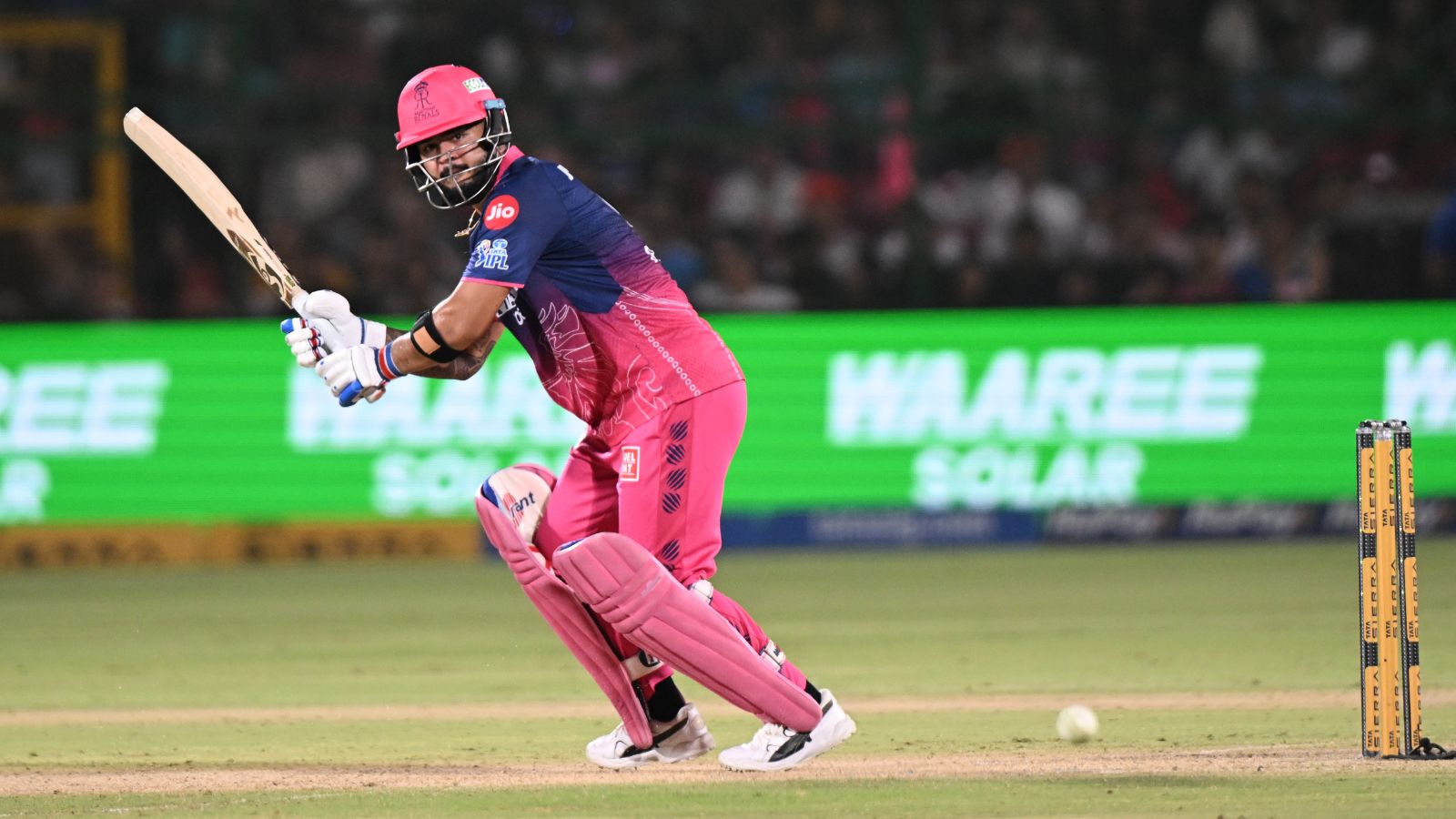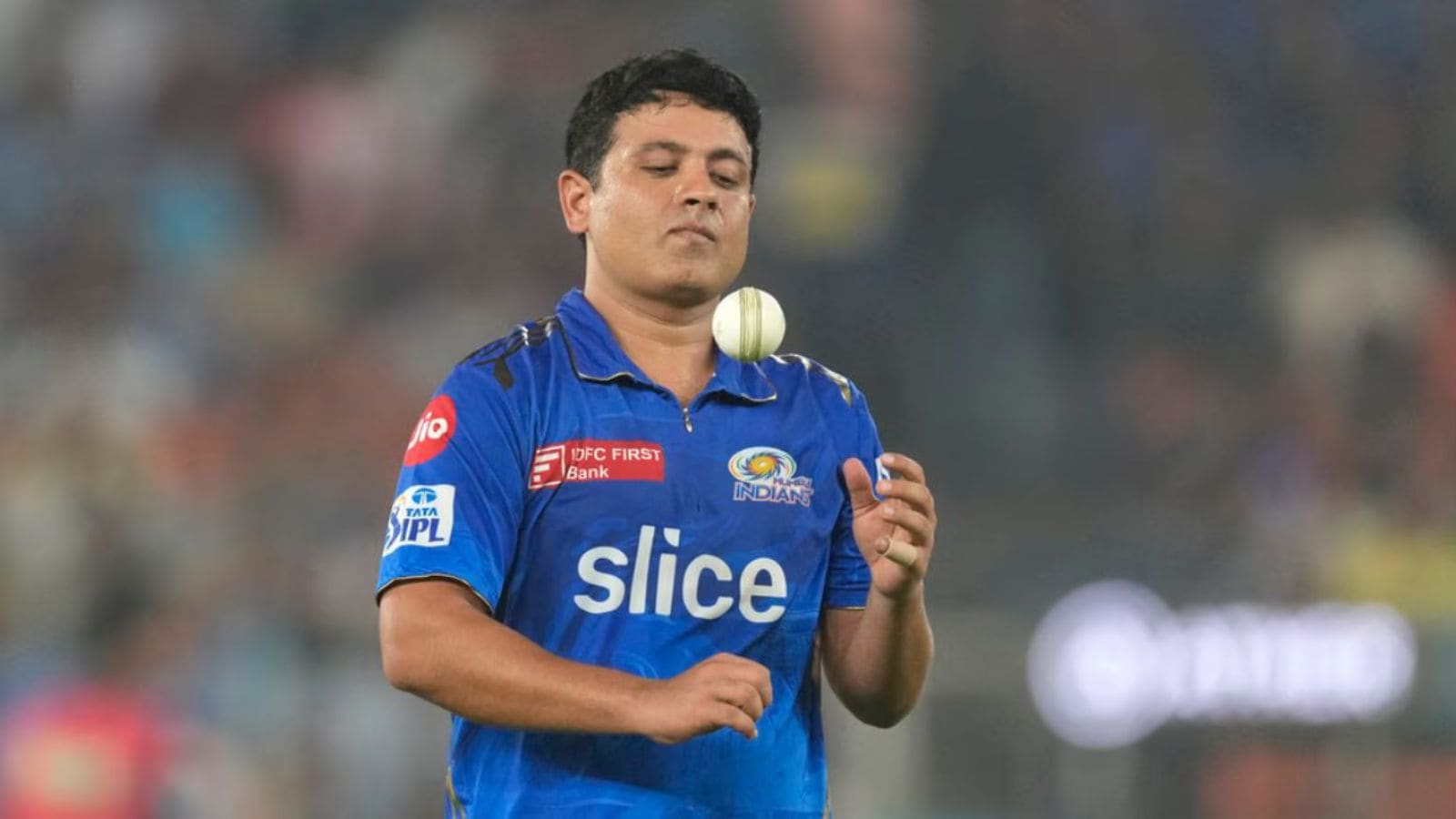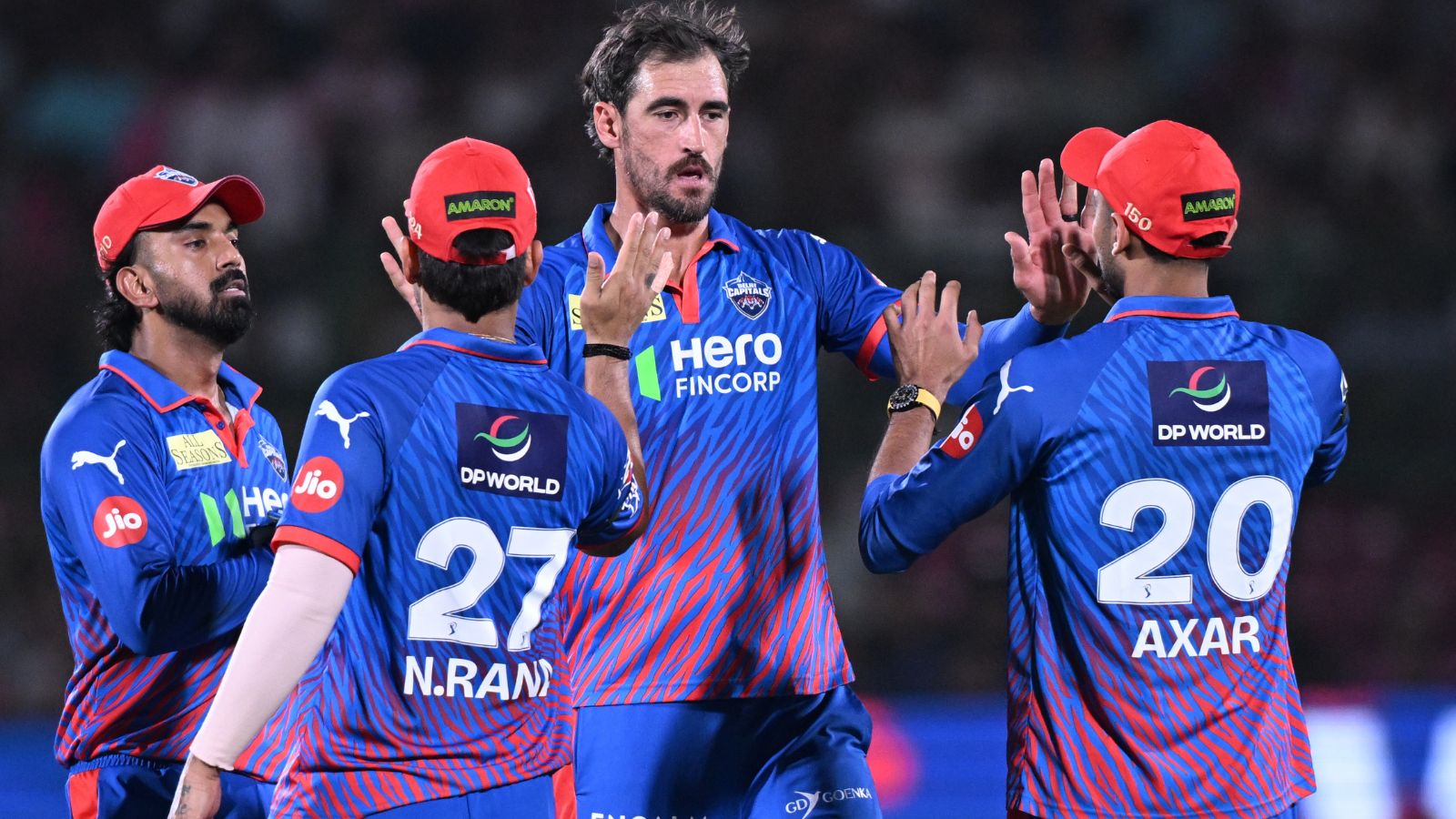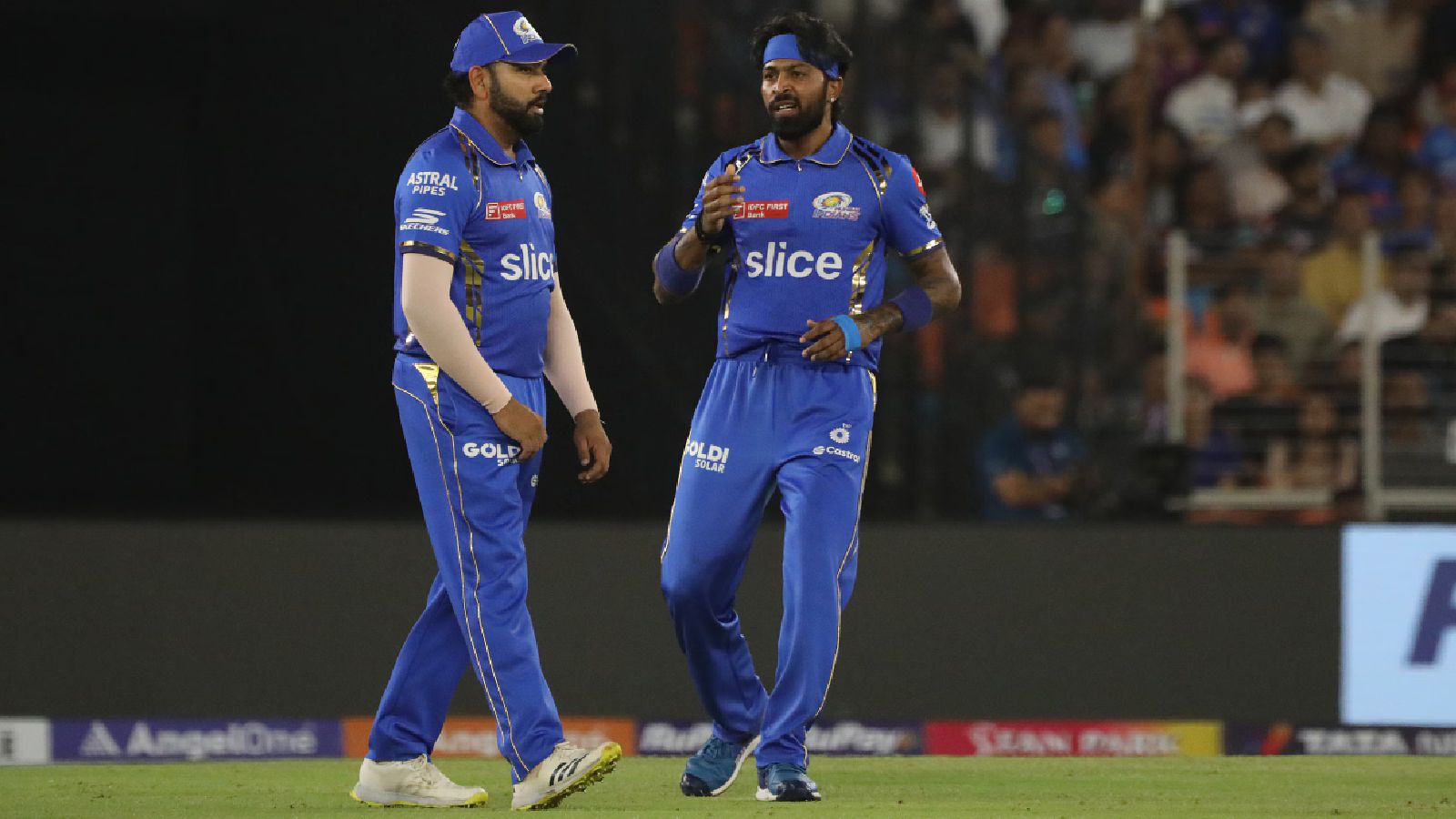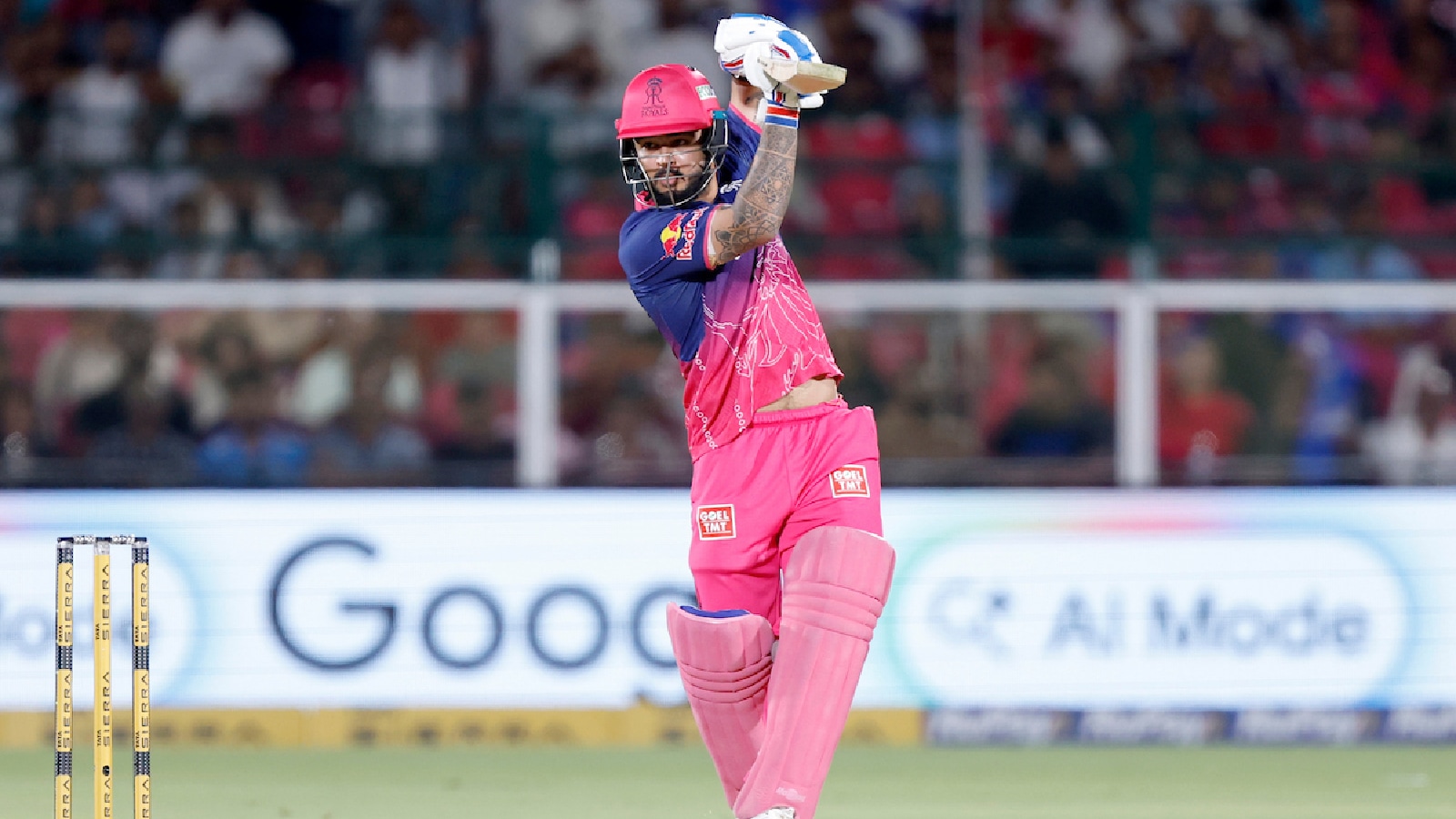


Riyan Parag vape row: It’s not the smoking, it’s the culture at Rajasthan Royals
There was a time when cricket's dressing rooms smelled of cigarettes and no one cared but now when a captain vapes in the dressing room as casually as players sip tea this is a certain red flag.
Smoking is injurious to health. Disclaimer out of the way, now about the Riyan Parag vape video, BCCI’s rap on his knuckle for what the press release called “conduct that brings the game into disrepute” and how with time perceptions change. What was once a casual act that mostly went unnoticed or made heads turn is now an eye-raising scandalous taboo.
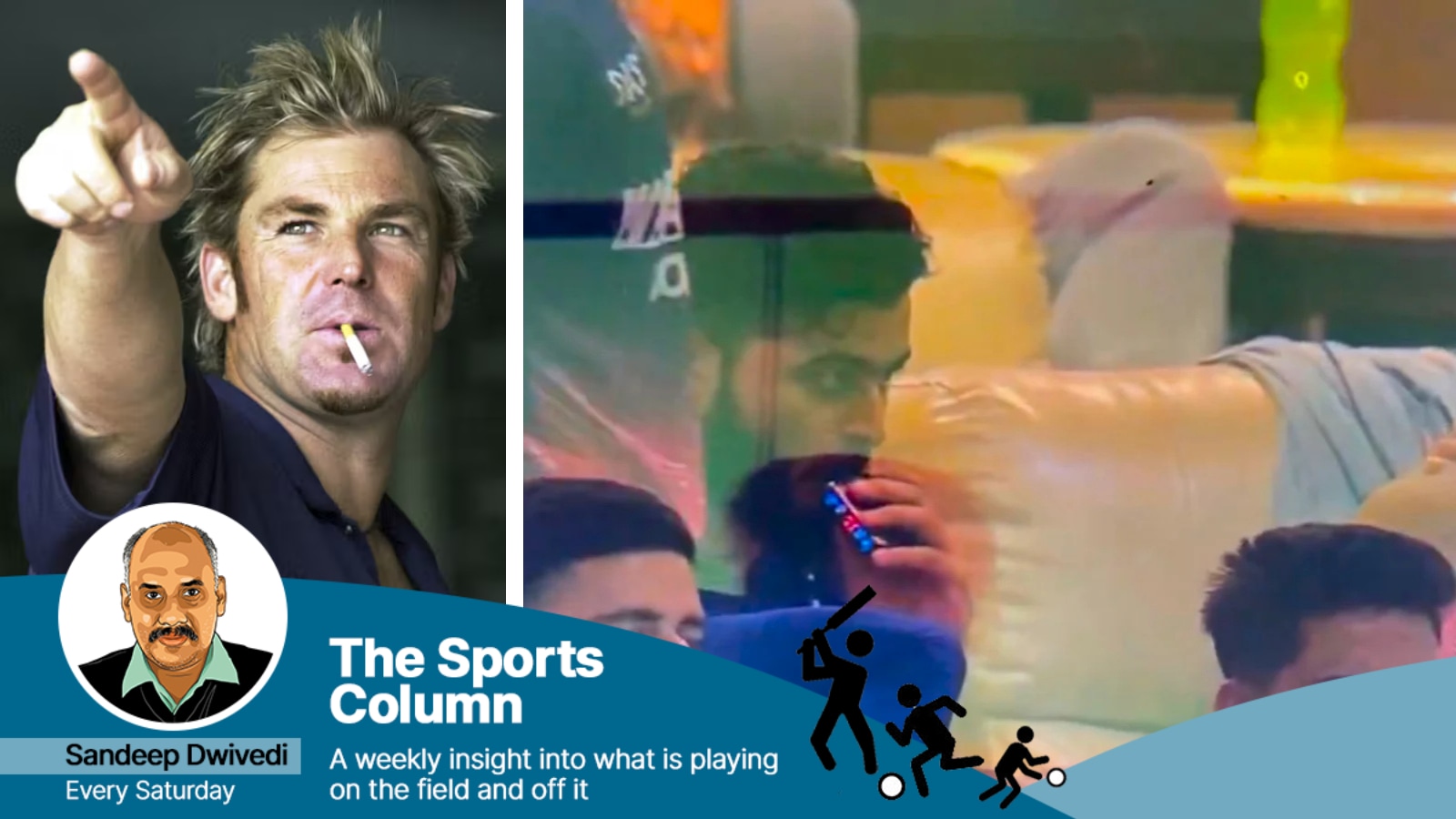
This IPL week, there was outrage, and also virtue-signaling, when the camera caught Parag smoking in the dressing room. This wasn’t how it used to be.
Back in the day, cigarette companies poured money into cricket, Wills and Benson & Hedges billboards dotted stadiums and a player seen smoking in public inadvertently multiplied his machismo and mystique. Those were the days when the Marlboro man and Clint Eastwood — with their cowboy hats, half-shut squint eyes and a cigarette dangling from their pursed lips — defined coolness.
ALSO READ | BCCI reacts to Riyan Parag vape video: ‘We’ll seek an explanation…’
In India, superstar Dev Anand would spread the unscientific virtues of smoking. Drawing circles in the air with his hands, like only he could, and that trademark carefree gait in place, he would sing about blowing every worry up in smoke. The world believed whatever he said and sang — even if it was “har fikr ko dhuen mein udata chala gaya”. When he exhaled a plume of smoke, there was no tobacco warning on the silver screen.
Back then, cigarettes were seen as a way to ease stress, and that almost made it acceptable for top players, already under huge pressure to perform, to take a deep drag after a game. So when Krishnamachari Srikkanth smoked like a chimney, while standing not too far from Kapil Dev with the 1983 World Cup in hand on the Lord’s balcony, TV didn’t draw red circles around him. No one was bringing disrepute to the game.
Later in the mid-90s, it was the tobacco companies that powered the growth of the game in the sub-continent and laid the foundation of India’s present day rise as cricketing superpower. For the 1996 World Cup in India, Pakistan and Sri Lanka, Indian Tobacco Company signed a record-breaking title sponsorship deal. The cherry on the cake was the £5 million promotional campaign. Cricket popularity would go through the roof and the age of commercialisation was well and truly upon India.
In his seminal book War Minus The Shooting, the late Mike Marqusee records for posterity the sport’s complex dilemma. ITC’s Wills World Cup manager Hemant Malik told him: “We are not converting anyone to smoking. Our market is expanding all the time — because people are being converted from bidis to cigarettes.” The anti-smoking lobby had been reminding people that two thousand two hundred Indians die each day from smoking-related illnesses. Indian cricket’s coffers were never empty after that while rural India had switched to cigarettes in hordes. But wasn’t sport, a proven healthy pursuit, promoting an unhealthy habit?
ALSO READ | Vape video: Hefty fine for Riyan Parag as RR captain admits offence, stringent action against team expected
Not just cricket, sport in general had no qualms. Cigarette brand Winston sponsored the 1982 FIFA World Cup and four years later in Mexico it was Camel. Before FIFA signed up for WHO’s Tobacco Free Sports campaign, footballer locker rooms smelled like bars. Such was tobacco’s acceptability that cigarettes defined the personalities of players. There was a ring of romance around smokers with magical ball skills.
Probably the most celebrated was Brazilian Socrates — spiritual, philosophical, found in the company of intellectuals between games. Socrates idolised Che Guevara and Castro — men who, like him, rarely put down a cigarette. Cruyff, who redefined football, smoked at half-time, showered, and lit another before the second half. His addiction complimented his image of a moody artist, a creative genius, a product of the liberal Dutch culture and a rebel who defied conventions. A coach once objected to his routine. Soon he was looking for a new job.
Cricket’s equivalent was Shane Warne. In his biography My Spin, Warne recalled the days when Benson & Hedges sponsored the Aussie team. “By the way, half the side smoked regularly … Boony, Geoff Marsh, Bruce Reid, Greg Matthews, AB when he was having a drink, me and the physio Errol Alcott were smokers. It was partly the culture at the time and partly the sponsors making the fags so available — the dressing-rooms stank of cigarettes. Everyone just lit up — in restaurants, trains, cars and planes.”
ALSO READ | Pakistan Super League: Imad Wasim caught smoking after title-winning 5-wicket haul
Yes, planes too. Indian spinner Venkatapathy Raju would join the smokers towards the tail of the aircraft on India’s tour to England. Warne’s account is funny. “He chain-smoked and got completely pissed on two cans of Swan Light. I think he was more terrified of his captain, Mohammad Azharuddin … so we gave him a bunch of mints and told him to crash out for an hour. I’m not sure it worked, to be honest. He was sheepish for days.”
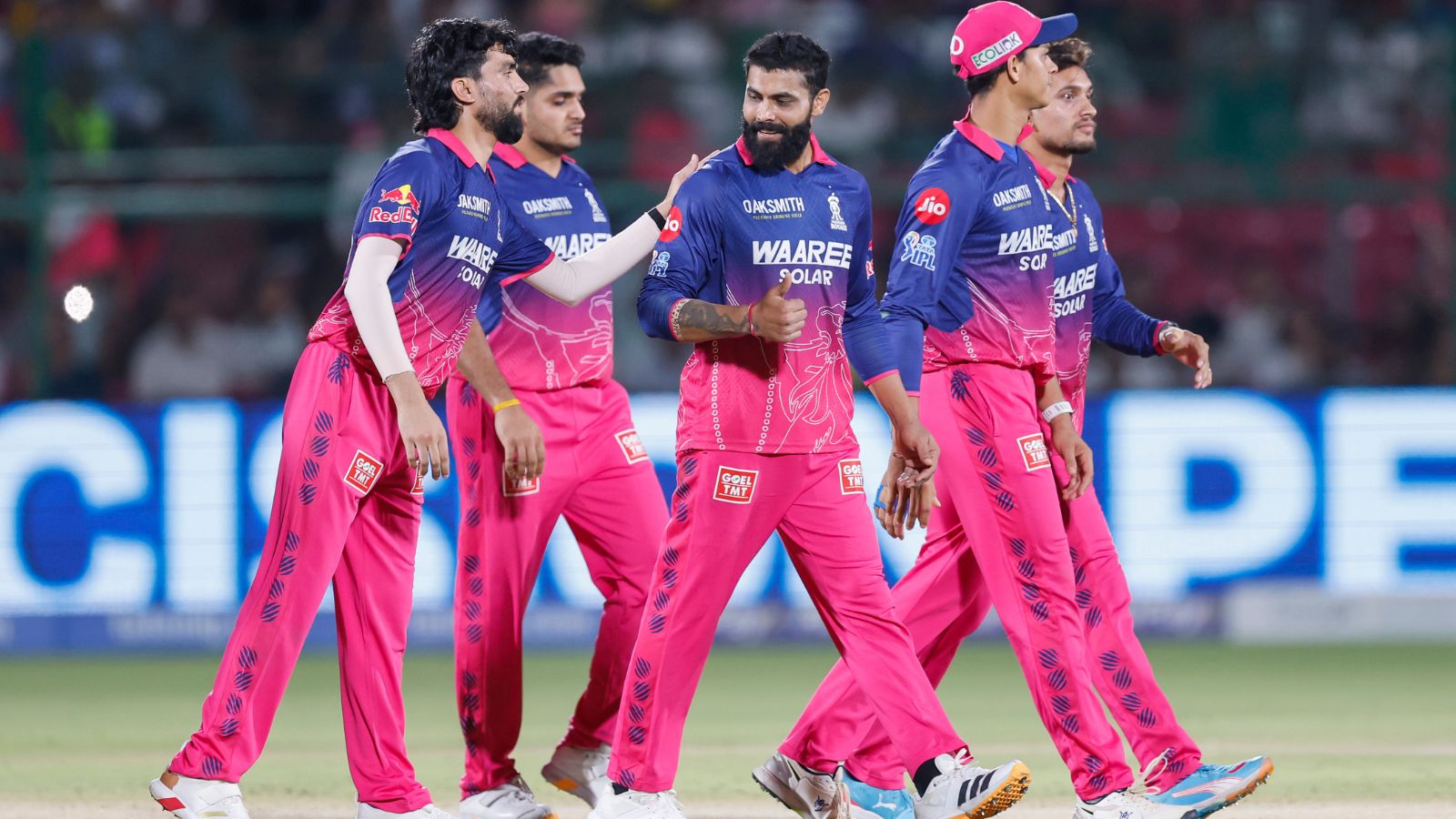
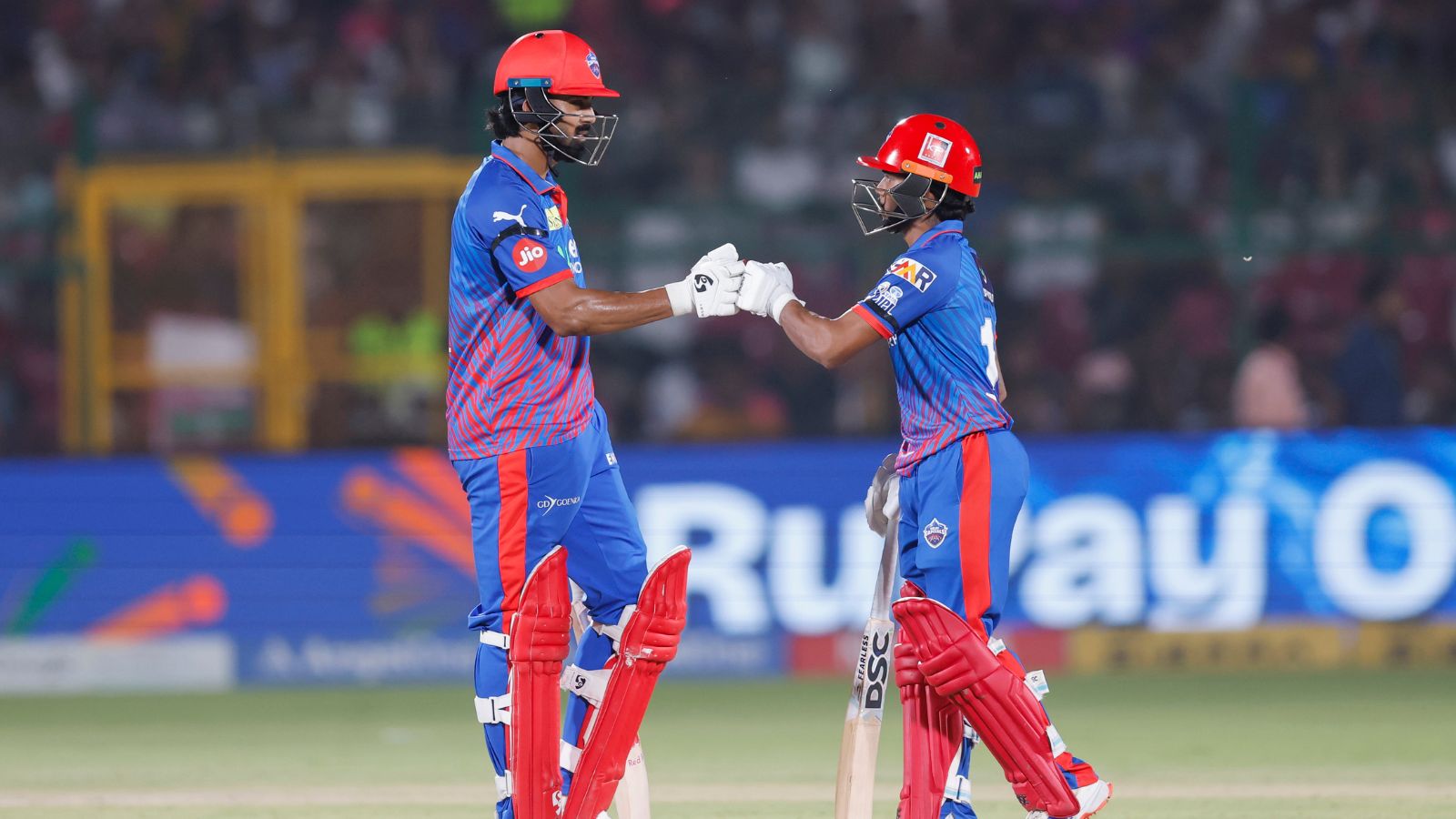
In days to come, the RR skipper Parag too might be sheepish. But he isn’t the first young man caught smoking. What should be more worrying for the BCCI is Rajasthan Royals team culture. This is their second dressing room transgression this season, after the manager was penalised for using a mobile phone during a game. Transgressions multiply where culture is loose. Rajasthan Royals know this better than most — their co-owner and three players once faced spot-fixing charges, a scandal that nearly finished the franchise.
That crisis was also, at its root, a failure of culture, of oversight, of someone in authority looking the other way.
When a captain vapes in the dressing room, in full view of the entire squad, as casually as players sip tea in each other’s company, it is not just about one man’s habit. It speaks to what is considered acceptable, what goes unchecked, and who sets the tone. For a franchise with that history, these are not small questions. This is a red flag, if not a smoking gun.
Stay updated with the latest sports news across Cricket, Football, Chess, and more. Catch all the action with real-time live cricket score updates and in-depth coverage of ongoing matches.
Smoking is injurious to health. Disclaimer out of the way, now about the Riyan Parag vape video, BCCI’s rap on his knuckle for what the press release called “conduct that brings the game into disrepute” and how with time perceptions change. What was once a casual act that mostly went unnoticed or made heads turn is now an eye-raising scandalous taboo.
This IPL week, there was outrage, and also virtue-signaling, when the camera caught Parag smoking in the dressing room. This wasn’t how it used to be.
Back in the day, cigarette companies poured money into cricket, Wills and Benson & Hedges billboards dotted stadiums and a player seen smoking in public inadvertently multiplied his machismo and mystique. Those were the days when the Marlboro man and Clint Eastwood — with their cowboy hats, half-shut squint eyes and a cigarette dangling from their pursed lips — defined coolness.
ALSO READ | BCCI reacts to Riyan Parag vape video: ‘We’ll seek an explanation…’
In India, superstar Dev Anand would spread the unscientific virtues of smoking. Drawing circles in the air with his hands, like only he could, and that trademark carefree gait in place, he would sing about blowing every worry up in smoke. The world believed whatever he said and sang — even if it was “har fikr ko dhuen mein udata chala gaya”. When he exhaled a plume of smoke, there was no tobacco warning on the silver screen.
Back then, cigarettes were seen as a way to ease stress, and that almost made it acceptable for top players, already under huge pressure to perform, to take a deep drag after a game. So when Krishnamachari Srikkanth smoked like a chimney, while standing not too far from Kapil Dev with the 1983 World Cup in hand on the Lord’s balcony, TV didn’t draw red circles around him. No one was bringing disrepute to the game.
Later in the mid-90s, it was the tobacco companies that powered the growth of the game in the sub-continent and laid the foundation of India’s present day rise as cricketing superpower. For the 1996 World Cup in India, Pakistan and Sri Lanka, Indian Tobacco Company signed a record-breaking title sponsorship deal. The cherry on the cake was the £5 million promotional campaign. Cricket popularity would go through the roof and the age of commercialisation was well and truly upon India.
In his seminal book War Minus The Shooting, the late Mike Marqusee records for posterity the sport’s complex dilemma. ITC’s Wills World Cup manager Hemant Malik told him: “We are not converting anyone to smoking. Our market is expanding all the time — because people are being converted from bidis to cigarettes.” The anti-smoking lobby had been reminding people that two thousand two hundred Indians die each day from smoking-related illnesses. Indian cricket’s coffers were never empty after that while rural India had switched to cigarettes in hordes. But wasn’t sport, a proven healthy pursuit, promoting an unhealthy habit?
ALSO READ | Vape video: Hefty fine for Riyan Parag as RR captain admits offence, stringent action against team expected
Not just cricket, sport in general had no qualms. Cigarette brand Winston sponsored the 1982 FIFA World Cup and four years later in Mexico it was Camel. Before FIFA signed up for WHO’s Tobacco Free Sports campaign, footballer locker rooms smelled like bars. Such was tobacco’s acceptability that cigarettes defined the personalities of players. There was a ring of romance around smokers with magical ball skills.
Probably the most celebrated was Brazilian Socrates — spiritual, philosophical, found in the company of intellectuals between games. Socrates idolised Che Guevara and Castro — men who, like him, rarely put down a cigarette. Cruyff, who redefined football, smoked at half-time, showered, and lit another before the second half. His addiction complimented his image of a moody artist, a creative genius, a product of the liberal Dutch culture and a rebel who defied conventions. A coach once objected to his routine. Soon he was looking for a new job.
Cricket’s equivalent was Shane Warne. In his biography My Spin, Warne recalled the days when Benson & Hedges sponsored the Aussie team. “By the way, half the side smoked regularly … Boony, Geoff Marsh, Bruce Reid, Greg Matthews, AB when he was having a drink, me and the physio Errol Alcott were smokers. It was partly the culture at the time and partly the sponsors making the fags so available — the dressing-rooms stank of cigarettes. Everyone just lit up — in restaurants, trains, cars and planes.”
ALSO READ | Pakistan Super League: Imad Wasim caught smoking after title-winning 5-wicket haul
Yes, planes too. Indian spinner Venkatapathy Raju would join the smokers towards the tail of the aircraft on India’s tour to England. Warne’s account is funny. “He chain-smoked and got completely pissed on two cans of Swan Light. I think he was more terrified of his captain, Mohammad Azharuddin … so we gave him a bunch of mints and told him to crash out for an hour. I’m not sure it worked, to be honest. He was sheepish for days.”
In days to come, the RR skipper Parag too might be sheepish. But he isn’t the first young man caught smoking. What should be more worrying for the BCCI is Rajasthan Royals team culture. This is their second dressing room transgression this season, after the manager was penalised for using a mobile phone during a game. Transgressions multiply where culture is loose. Rajasthan Royals know this better than most — their co-owner and three players once faced spot-fixing charges, a scandal that nearly finished the franchise.
That crisis was also, at its root, a failure of culture, of oversight, of someone in authority looking the other way.
When a captain vapes in the dressing room, in full view of the entire squad, as casually as players sip tea in each other’s company, it is not just about one man’s habit. It speaks to what is considered acceptable, what goes unchecked, and who sets the tone. For a franchise with that history, these are not small questions. This is a red flag, if not a smoking gun.